
Cell Phone Forensics and Mobile Device Recovery
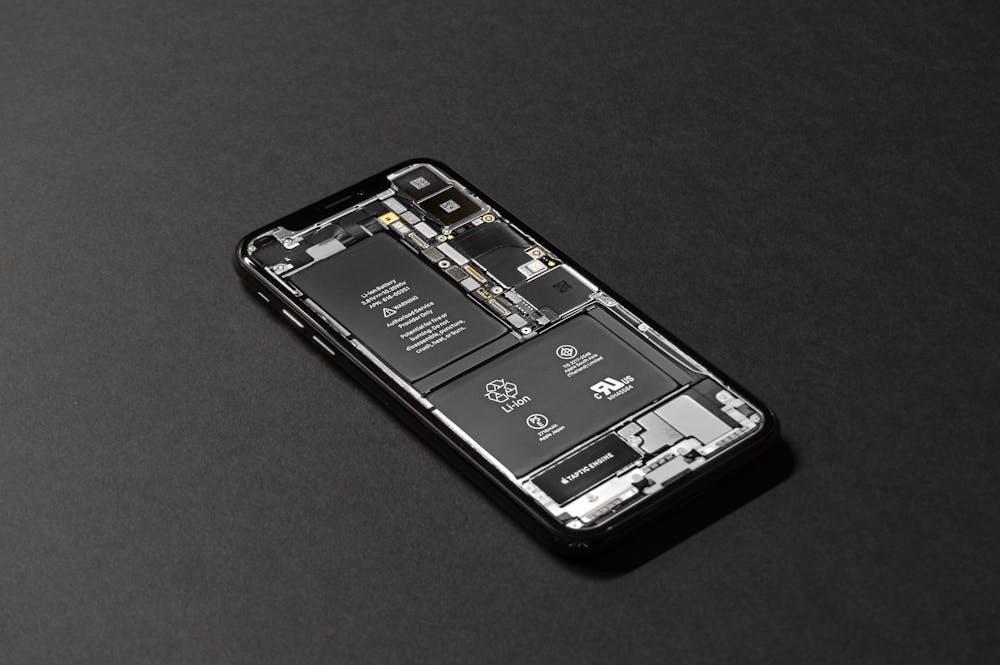
Smartphones contain vast amounts of personal and business information including text messages, call logs, emails, photographs, location history, and application data that often proves critical in legal proceedings and personal investigations. PrimeGuards digital forensics specialists extract deleted and hidden information from iPhones, Android devices, and other mobile platforms using advanced forensic tools that bypass standard security measures while maintaining evidence integrity.
Our cell phone forensics processes recover deleted text conversations that reveal communications relevant to infidelity investigations, business disputes, and criminal activities. We extract call history logs that document who contacted whom, when conversations occurred, and call durations that establish timelines and relationship patterns. Location data recovered from mobile devices shows where the phone traveled, places visited frequently, and geographic patterns that help locate missing persons or verify alibis in legal cases.
Computer Forensics and Network Evidence Analysis
Computers, laptops, tablets, and network servers store extensive data including documents, browsing history, financial records, and user activities that frequently serve as critical evidence in corporate investigations, fraud cases, and legal disputes. PrimeGuards computer forensics specialists extract and analyze this information using industry leading forensic software that creates exact forensic images of digital storage while preserving original evidence integrity.
Our forensic examination recovers deleted files that individuals attempt to remove when concealing fraudulent activities, intellectual property theft, or inappropriate workplace behavior. We analyze internet browsing history, download records, and cloud storage access that reveals research activities, communications with competitors, or consumption of inappropriate content. Email forensics extracts messages from Outlook, webmail, and messaging applications that document business communications, personal relationships, and coordination of activities relevant to investigations.
Data Recovery from Inaccessible Devices
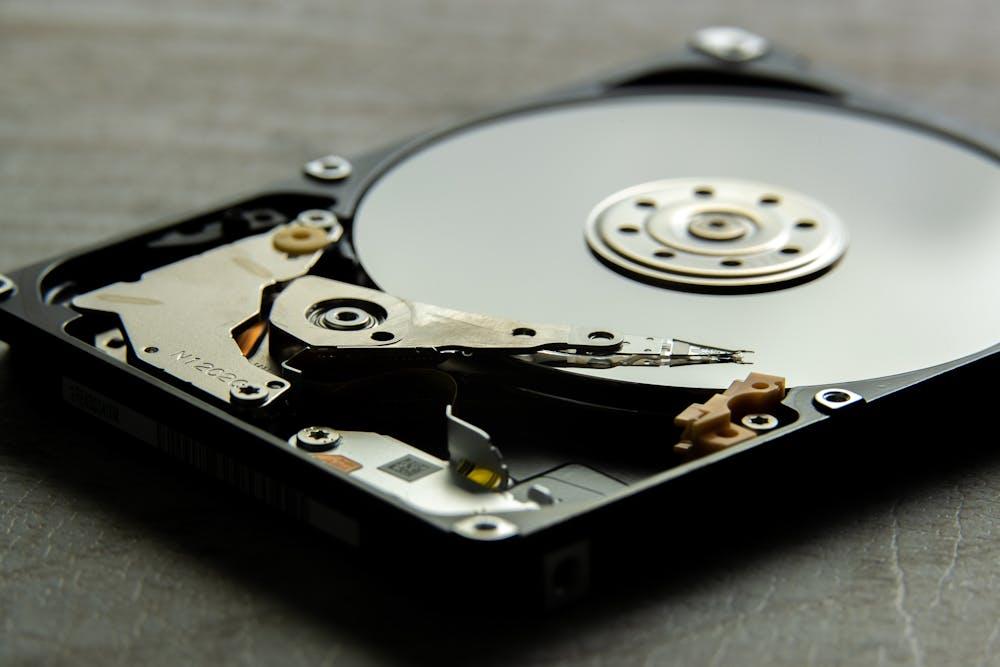
Physical damage, water exposure, fire damage, and mechanical failures render digital devices inaccessible through normal means while the stored data often remains recoverable through professional forensic techniques. PrimeGuards data recovery specialists extract information from physically damaged hard drives, solid state drives, cellphones, and tablets using clean room facilities, chip off forensics, and advanced recovery methods that standard IT services cannot provide.
Our clean room data recovery services disassemble damaged hard drives in controlled environments, replace failed components, and create forensic images that preserve data integrity while bypassing physical damage that prevents normal operation. We recover business critical files, family photographs, financial records, and personal documents that clients assumed were permanently lost due to device failure. Solid state drive recovery presents unique challenges that our specialists address through chip level forensics and specialized equipment that reads memory chips directly when controllers fail.
Legal Admissibility and Expert Testimony for Court
Digital evidence must meet strict legal standards for collection, preservation, and documentation to remain admissible in court proceedings and support legal claims effectively. PrimeGuards digital forensics procedures follow industry best practices and legal requirements that ensure our evidence collection maintains chain of custody, preserves metadata integrity, and documents methodologies sufficiently to withstand legal challenges.
Our forensic specialists create verified forensic images of digital storage using write blockers that prevent any modification of original evidence during examination. We document every step of the recovery and analysis process, maintain detailed logs of all activities, and generate comprehensive reports that explain technical findings in language that judges and juries can understand. This meticulous documentation establishes the foundation for expert testimony when our investigators appear in court to explain evidence and support legal arguments. Contact us to learn more.
Digital Forensics and Data Recovery: The Complete Guide
YMYL Safety Compliance: This digital forensics guide addresses evidence preservation, legal admissibility standards, and data recovery procedures. All information reflects 2026 industry best practices, chain of custody protocols, and professional digital investigation association guidelines.
Expert Review Panel: This guide was authored by PrimeGuards’ Director of Investigative Services and reviewed by certified digital forensics examiners, licensed private investigators, and legal evidence specialists with combined 30+ years in mobile device extraction, computer forensics, and court testimony.
Last reviewed: April 2026 | Next scheduled review: December 2026
Why Digital Evidence Matters
Every click, text, and file leaves a trace. Smartphones record where we go and who we talk to. Computers store documents we thought we deleted. Cloud accounts hold years of conversations and transactions. When disputes arise, when crimes occur, when data disappears, digital forensics is the process that finds the truth hidden in those traces.
Digital evidence now appears in over 90% of criminal cases and nearly every civil litigation matter involving fraud, infidelity, employment disputes, or intellectual property theft. A text message can prove intent. A deleted email can expose a conspiracy. Location data can verify an alibi or destroy one. The evidence is there. The question is whether someone with the right tools and training can extract it, preserve it, and present it in a way that courts accept.
PrimeGuards provides nationwide digital forensics and data recovery services for attorneys, corporations, private individuals, and law enforcement support. Our examiners use court-validated tools and follow chain of custody procedures that protect evidence integrity from extraction through testimony. We recover data from damaged devices, extract information from locked phones, and analyze network activity that standard IT departments cannot access. This guide explains what digital forensics covers, how the process works, and what you need to know before engaging a forensics provider.
Types of Digital Forensics Services
Cell Phone and Mobile Device Forensics
Smartphones contain more personal information than any other device. Text messages, call logs, emails, photographs, videos, GPS location history, application data, and browser history all reside on these devices. PrimeGuards mobile forensics specialists extract deleted and hidden information from iPhones, Android devices, and other mobile platforms using advanced forensic tools that bypass standard security measures while maintaining evidence integrity.
Our cell phone forensics processes recover deleted text conversations that reveal communications relevant to infidelity investigations, business disputes, and criminal activities. We extract call history logs that document who contacted whom, when conversations occurred, and call durations that establish timelines. Location data recovered from mobile devices shows where the phone traveled, places visited frequently, and geographic patterns that help locate missing persons or verify alibis in legal cases. Application data from messaging apps, social media platforms, and financial applications provides additional context that standard phone backups do not capture.
Computer and Laptop Forensics
Computers, laptops, and tablets store extensive data including documents, browsing history, financial records, and user activities that frequently serve as critical evidence in corporate investigations, fraud cases, and legal disputes. PrimeGuards computer forensics specialists extract and analyze this information using industry leading forensic software that creates exact forensic images of digital storage while preserving original evidence integrity.
Our forensic examination recovers deleted files that individuals attempt to remove when concealing fraudulent activities, intellectual property theft, or inappropriate workplace behavior. We analyze internet browsing history, download records, and cloud storage access that reveals research activities, communications with competitors, or consumption of inappropriate content. Email forensics extracts messages from Outlook, webmail, and messaging applications that document business communications, personal relationships, and coordination of activities relevant to investigations. USB device history and external drive connections reveal data exfiltration attempts that employees make when stealing company information.
Network and Server Forensics
Network forensics examines traffic logs, server access records, firewall data, and authentication events to identify unauthorized access, data breaches, and internal threats. When a company suspects an employee accessed restricted files, when a server shows signs of compromise, or when intellectual property leaves the organization through unknown channels, network forensics provides the technical evidence to identify the source and scope of the incident.
PrimeGuards network forensics specialists analyze router logs, firewall records, and server access logs to establish timelines of unauthorized activity. We identify external IP addresses that gained access to internal systems, trace data transfer volumes that indicate exfiltration, and correlate network events with user authentication records. This analysis supports both internal disciplinary actions and external legal proceedings by providing objective technical evidence of what occurred and when.
Data Recovery from Damaged Devices
Physical damage, water exposure, fire damage, and mechanical failures render digital devices inaccessible through normal means while the stored data often remains recoverable through professional forensic techniques. PrimeGuards data recovery specialists extract information from physically damaged hard drives, solid state drives, cellphones, and tablets using clean room facilities, chip off forensics, and advanced recovery methods that standard IT services cannot provide.
Our clean room data recovery services disassemble damaged hard drives in controlled environments, replace failed components, and create forensic images that preserve data integrity while bypassing physical damage that prevents normal operation. We recover business critical files, family photographs, financial records, and personal documents that clients assumed were permanently lost due to device failure. Solid state drive recovery presents unique challenges that our specialists address through chip level forensics and specialized equipment that reads memory chips directly when controllers fail. Water damaged phones require immediate attention to prevent corrosion from destroying memory components, and our rapid response protocols maximize recovery success rates.
| Forensics Type | Primary Evidence | Best For | Turnaround Time |
|---|---|---|---|
| Mobile Device | Texts, calls, GPS, app data, photos | Infidelity, missing persons, criminal defense | 3-7 business days |
| Computer / Laptop | Documents, browsing, emails, deleted files | Fraud, IP theft, employment disputes | 5-10 business days |
| Network / Server | Traffic logs, access records, auth events | Data breaches, unauthorized access, insider threats | 7-14 business days |
| Data Recovery | Files, photos, documents from damaged media | Device failure, water damage, fire damage | 3-14 business days |
The Digital Forensics Process
Evidence Acquisition and Preservation
The first step in any digital forensics examination is creating a forensic image, which is an exact bit for bit copy of the original storage media. This process uses write blocking hardware that prevents any modification of the original evidence during copying. The forensic image preserves every byte of data including deleted files, file fragments, and system artifacts that standard copying would miss or alter.
PrimeGuards examiners document the acquisition process with photographs, chain of custody forms, and detailed logs that record when the device was received, who handled it, what tools were used, and what the condition was upon arrival. This documentation establishes the foundation for legal admissibility by proving that the evidence remained unaltered from collection through analysis. Without proper acquisition procedures, even the most compelling digital evidence can be excluded from court.
Analysis and Extraction
Once the forensic image is verified against the original using cryptographic hash values, examiners analyze the copy using specialized software that parses file systems, recovers deleted data, and extracts artifacts from application databases. This analysis reveals user activities, communications, location history, and document access patterns that answer the specific questions driving the investigation.
PrimeGuards analysis procedures vary based on case type. Infidelity investigations focus on messaging applications, call logs, and location data. Corporate fraud cases emphasize financial records, email communications, and document access patterns. Criminal defense work requires comprehensive extraction of all user generated content to identify exculpatory evidence. Data recovery cases prioritize file reconstruction over activity analysis. Each case receives a customized examination plan that targets the evidence most relevant to the client’s needs.
Reporting and Documentation
Forensic findings must be documented in reports that judges, attorneys, and juries can understand. PrimeGuards reports include technical details sufficient for peer review while presenting conclusions in plain language that non technical readers can follow. Reports contain screenshots of recovered evidence, timelines of user activities, and explanations of how the evidence was extracted and verified.
Every report includes the examiner’s qualifications, the tools used, the procedures followed, and the limitations of the analysis. When evidence cannot be recovered due to encryption, physical damage, or overwrite conditions, we document those limitations honestly rather than overstating findings. This transparency protects our clients in court by preventing opposing counsel from attacking our credibility through exaggerated claims.
PrimeGuards Forensics Technology Stack:
- Write Blockers: Hardware devices that prevent modification of original evidence during imaging
- Forensic Imaging: Bit for bit duplication with SHA-256 hash verification for integrity confirmation
- Mobile Extraction: Cellebrite, Oxygen, and GrayKey tools for iOS and Android device analysis
- Computer Analysis: EnCase, Axiom, and X-Ways software for Windows, Mac, and Linux forensics
- Network Analysis: Wireshark, Splunk, and custom log parsing for traffic and access examination
- Clean Room Recovery: ISO 5 clean room facilities for physically damaged hard drive recovery
- Chip Off Forensics: Direct memory chip reading for failed solid state drives and damaged phones
Industries and Case Types
| Case Type | Primary Evidence Needed | Devices Examined | Why Forensics Works |
|---|---|---|---|
| Criminal Defense | Alibi verification, exculpatory messages, location data | Cell phones, laptops, vehicle systems | Digital evidence often contradicts prosecution narratives |
| Corporate Fraud | Financial records, emails, document access logs | Workstations, servers, email accounts | Employees leave digital trails of fraudulent activity |
| Intellectual Property Theft | File access records, USB history, cloud uploads | Laptops, network logs, cloud accounts | Systems record every file copy and external device connection |
| Infidelity / Family Law | Text messages, dating apps, location history, photos | Smartphones, tablets, shared computers | Phones contain comprehensive records of activities and communications |
| Missing Persons | GPS history, recent communications, social media activity | Cell phones, laptops, vehicle navigation systems | Location data reveals movements and associations before disappearance |
| Data Breach Response | Network logs, access records, malware artifacts | Servers, firewalls, endpoint devices | Forensic analysis identifies breach scope and entry points |
Legal Admissibility and Court Standards
Chain of Custody Requirements
Digital evidence must meet strict legal standards for collection, preservation, and documentation to remain admissible in court proceedings. Courts require proof that evidence remained unaltered from collection through presentation. Any gap in documentation, any unauthorized access, or any modification of the original device can result in evidence exclusion that destroys a case.
PrimeGuards maintains chain of custody procedures that satisfy federal and state court requirements. We photograph devices upon receipt, seal evidence in tamper evident containers, document every person who accesses the evidence, and maintain logs of all examination activities. Our forensic images are verified with cryptographic hash values that prove the copy matches the original. This documentation establishes the foundation for expert testimony and protects evidence from exclusion motions.
Expert Testimony and Daubert Standards
When digital evidence goes to court, the examiner who extracted and analyzed it must explain the methodology to judges and juries who lack technical backgrounds. Federal courts apply the Daubert standard, which requires that expert testimony rest on reliable methodology, relevant to the facts, and based on sufficient data. State courts apply similar standards under Frye or their own evidentiary rules.
PrimeGuards forensic specialists are qualified to provide expert testimony in state and federal courts. We maintain current certifications from recognized forensic organizations, use court validated tools accepted by the forensic community, and follow documented procedures that have withstood legal challenge. Our reports explain technical findings in accessible language while including the detailed methodology that opposing experts review. When testimony is required, our examiners present findings clearly and withstand cross examination without overstating conclusions or concealing limitations.
Digital Evidence in Legal Proceedings
Industry analysis indicates that digital evidence now appears in over 90% of criminal cases and 85% of civil litigation matters. Cell phone location data has been used to establish or refute alibis in thousands of criminal trials. Email forensics has resolved countless corporate fraud and intellectual property disputes. Courts have increasingly accepted digital evidence as reliable when collected by qualified examiners using validated tools and proper chain of custody procedures. The key to admissibility is not the technology itself but the rigor of the process used to extract and document the evidence.
“The integrity of digital evidence depends entirely on the process used to collect it. A compelling text message means nothing if the defense can show that the extraction tool modified the device or that the chain of custody has gaps. Professional digital forensics is not about finding interesting data. It is about finding data in a way that courts will accept.”
— Digital Evidence and Forensic Science, National Institute of Standards and Technology
PrimeGuards Forensics Standards
Certified Examiners and Validated Tools
PrimeGuards employs digital forensics examiners who maintain current certifications from recognized industry organizations including EnCE, CFCE, GCFE, and GCFA credentials. Our examiners undergo continuous training to stay current with evolving encryption standards, new device types, and updated forensic tools. We use only court validated software and hardware that the digital forensics community accepts as reliable.
Tool validation is not optional in professional forensics. Every software update, every new extraction method, and every modified procedure must be tested against known data sets to verify accuracy. PrimeGuards maintains internal validation protocols that test our tools against controlled evidence samples before deploying them on client cases. This discipline prevents the errors that occur when examiners use untested tools on evidence that cannot be recollected.
Secure Facilities and Confidentiality Protocols
Digital forensics examinations often involve sensitive personal information, trade secrets, attorney client communications, and medical records. PrimeGuards maintains secure examination facilities with access controls, surveillance systems, and network isolation that prevent unauthorized access to client data. Our confidentiality protocols exceed industry standards and comply with attorney client privilege requirements when working with legal counsel.
All client data remains encrypted at rest and in transit. Examination workstations operate on isolated networks with no internet connectivity. Evidence storage uses encrypted containers with access logging. Our personnel sign confidentiality agreements and undergo background screening that meets security clearance standards. When cases involve classified information or highly sensitive corporate data, we implement additional compartmentalization protocols that limit access to only the examiners directly involved.
PrimeGuards Digital Forensics Standards:
- Certified Examiners: EnCE, CFCE, GCFE, and GCFA certified forensic specialists
- Validated Tools: Court accepted software tested against controlled data sets before case use
- Chain of Custody: Tamper evident seals, photographic documentation, and access logs for all evidence
- Hash Verification: SHA-256 cryptographic verification of all forensic images against originals
- Secure Facilities: Access controlled examination rooms with isolated networks and surveillance
- Confidentiality Protocols: Encrypted storage, background screened personnel, and privilege protection
- Expert Testimony: Qualified court testimony with clear methodology and withstandable cross examination
PrimeGuards Examination Protocol:
 Intake Documentation — Photograph device condition, record serial numbers, and establish chain of custody
Forensic Imaging — Create bit for bit copy with write blocking and hash verification
Targeted Analysis — Extract evidence relevant to case questions while preserving all data
Verification — Cross check findings against multiple tools and manual examination
Reporting — Document findings with screenshots, timelines, and plain language explanations
Testimony Preparation — Prepare expert testimony materials and withstand peer review
Frequently Asked Questions
How much does digital forensics cost?
Digital forensics pricing depends on device type, case complexity, and urgency. Mobile device examinations typically range from $800 to $2,500 depending on encryption level, device condition, and the volume of data extracted. Computer forensics for standard laptops and desktops ranges from $1,500 to $4,000 based on storage size and analysis depth. Network forensics and server examinations start at $3,000 and increase based on log volume and incident scope. Data recovery from physically damaged devices ranges from $500 to $3,500 depending on damage severity and recovery difficulty. PrimeGuards provides itemized proposals that break down imaging costs, analysis hours, and reporting fees before work begins. Rush examinations with turnaround under 72 hours carry additional premiums.
Can you recover deleted text messages and photos?
Yes, in many cases. Deleted data remains on devices until new data overwrites the storage space it occupied. The sooner a device is examined after deletion, the higher the recovery probability. PrimeGuards mobile forensics tools extract deleted text messages, photos, videos, and application data from iPhones and Android devices even when the user has emptied trash folders or performed factory resets. However, recovery is not guaranteed. If the device has been used extensively after deletion, if encryption keys have been regenerated, or if the storage has been overwritten, recovery may be partial or impossible. Our examiners assess recovery probability during initial consultation and provide honest expectations before charging for extraction attempts.
Is the evidence you collect admissible in court?
PrimeGuards follows chain of custody procedures, uses court validated tools, and documents every step of the examination process to maximize admissibility. We create forensic images with write blockers, verify integrity with cryptographic hashes, and maintain detailed logs of all activities. Our examiners are qualified to provide expert testimony under Daubert and Frye standards. However, admissibility ultimately depends on the specific judge, jurisdiction, and opposing counsel’s challenges. No forensics provider can guarantee admissibility because courts make evidentiary decisions based on case specific factors. What PrimeGuards guarantees is that our procedures meet the standards that courts typically require and that our documentation withstands the scrutiny that opposing experts apply.
Can you unlock a phone if I forgot the password?
PrimeGuards can bypass or recover access to many locked devices depending on the model, operating system version, and security settings. iPhones with recent iOS versions and disabled USB restricted mode present significant challenges that may require advanced extraction techniques or may be impossible without the passcode. Android devices vary widely by manufacturer, with some models supporting bootloader access and others using encryption that prevents bypass. Our examiners assess unlock feasibility during initial consultation based on the specific device and software version. We do not bypass locks for devices that we cannot verify belong to the requesting party, and we require legal authorization or ownership documentation before attempting access on devices that may belong to third parties.
How long does a digital forensics examination take?
Standard mobile device examinations typically require 3 to 7 business days from device receipt to preliminary findings. Computer forensics for standard laptops and desktops require 5 to 10 business days depending on storage size and analysis complexity. Network forensics and server examinations require 7 to 14 business days due to log volume and correlation complexity. Data recovery timelines vary widely based on damage severity, ranging from 3 days for minor issues to 14 days for complex clean room recoveries. Rush services with 24 to 72 hour turnaround are available for urgent cases at additional cost. PrimeGuards provides timeline estimates during consultation and updates clients if unexpected complications arise during examination.
Will the examination damage my device or erase data?
No. PrimeGuards uses write blocking hardware and forensic imaging procedures that prevent any modification of the original device. We create exact copies of the storage media and perform all analysis on those copies, leaving the original device in the same condition as when received. In data recovery cases where physical repair is necessary, we perform component replacement in controlled environments with procedures that maximize data preservation. Our chain of custody documentation includes photographs of device condition upon receipt and return, providing proof that the examination process caused no damage. If you have concerns about device preservation, discuss them during consultation and we will explain the specific procedures for your device type.
Professional Digital Forensics and Data Recovery
Recover critical evidence, restore lost data, and build court ready documentation with PrimeGuards’ certified digital forensics examiners. Nationwide service with secure chain of custody and expert testimony support.
Request Your Free Forensics Consultation
Certified examiners | Court validated tools | Secure chain of custody | Nationwide coverage
Disclaimer: This guide provides general information regarding digital forensics services, data recovery procedures, and evidence preservation standards based on common industry practices as of 2026. Specific state and local requirements vary by jurisdiction and may change as regulations are updated. Digital forensics decisions involve privacy, privilege, and legal considerations that require consultation with qualified legal counsel. This content does not constitute legal advice or professional forensic recommendations specific to your situation. Always consult your attorney and a qualified digital forensics examiner before initiating evidence collection that may be used in legal proceedings.
Nationwide Digital Forensics & Data Recovery Services
PrimeGuards provides professional digital forensics & data recovery services across the United States. Our certified digital forensics & data recovery services are available in all major metropolitan areas including:
West Coast: Los Angeles, San Diego, San Francisco, San Jose, Phoenix, Las Vegas, Seattle, Portland, Sacramento, Oakland
Texas & Southwest: Houston, Dallas, Fort Worth, Austin, San Antonio, El Paso, Albuquerque, Tucson
Midwest: Chicago, Aurora, Naperville, Indianapolis, Detroit, Columbus, Cleveland, Cincinnati, Milwaukee, Madison
Southeast: Atlanta, Miami, Jacksonville, Tampa, Orlando, Charlotte, Raleigh, Charleston, Columbia, Savannah
Northeast: New York City, Buffalo, Newark, Jersey City, Philadelphia, Pittsburgh, Boston, Worcester, Baltimore, Washington DC
Don’t see your city? We cover all 50 states. View complete service area list or contact us for immediate coverage.

Armed & Unarmed Security
We deliver personalized security services designed to fit your specific requirements.
Certified Security Guards
Our certified security guards are extensively trained to tackle any security post.
Fully Licensed Security Officers
Our licensed and insured security guards are managed by law enforcement officers.
Digital Forensics Services
We provide digital forensic services for businesses and large corporations.
FAQ’s
Request more information now
Support Email
info@primeguards.com
talk to our agent
Live Chat Now
Request more information now
Support Email
info@primeguards.com
talk to our agent
Live Chat Now