
Narcotics Detection and Contraband Interdiction
PrimeGuards K-9 teams specialize in identifying illegal narcotics including cocaine, heroin, methamphetamine, MDMA, and prescription drug diversion in various environments. Our dogs undergo rigorous training that certifies them to detect trace amounts of these substances in vehicles, buildings, luggage, mail, and personal belongings with accuracy rates exceeding 95 percent.
Corporate offices, educational institutions, manufacturing facilities, and residential properties use our narcotics detection services to maintain drug free environments and reduce liability exposure. We conduct routine inspections of parking areas, common spaces, locker rooms, and storage facilities where illegal substances are commonly concealed. Our teams work discreetly to minimize disruption to legitimate business operations while providing thorough detection coverage that deters substance abuse on your property.
Explosive Detection and Bomb Threat Response
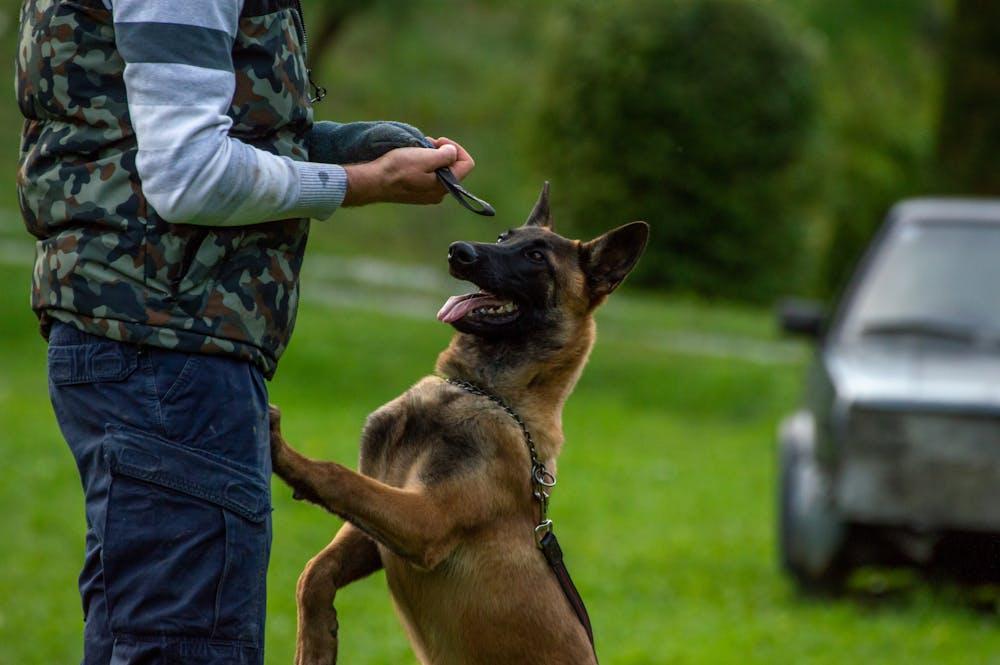
PrimeGuards explosive detection K-9 teams provide critical security capabilities for venues, events, and facilities facing potential bomb threats or requiring enhanced screening protocols. Our dogs train continuously on a comprehensive range of explosive materials including commercial, military, and homemade explosive compounds that pose threats in modern security environments.
We provide pre event venue sweeps for corporate gatherings, concerts, political events, and high profile meetings where explosive threats represent a credible concern. Our teams inspect auditoriums, conference rooms, stadiums, and outdoor venues systematically, checking seating areas, backstage regions, storage spaces, and perimeter locations where explosive devices could be concealed. We also offer ongoing explosive detection for airports, transportation hubs, government buildings, and critical infrastructure facilities requiring continuous screening capabilities.
Patrol and K-9 Units for Property Security
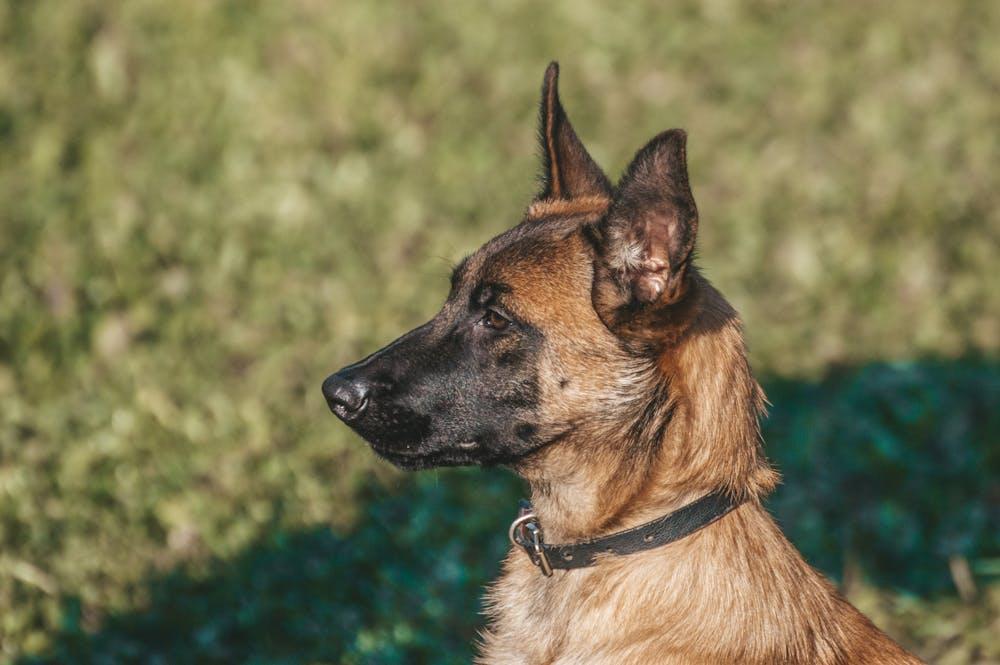
PrimeGuards patrol K-9 units provide mobile security presence that deters criminal activity through visible deployment of highly trained security dogs and professional handlers. Our patrol dogs undergo intensive training in obedience, aggression control, suspect apprehension, and area searching that makes them effective force multipliers for security operations across large properties, industrial facilities, and remote locations.
Our patrol K-9 teams conduct perimeter checks, building searches, and area clearing operations that identify intruders, detect unauthorized entry, and provide rapid response to security breaches. The presence of our patrol dogs significantly enhances security effectiveness compared to unaccompanied security officers, as criminals actively avoid properties protected by K-9 units. Our dogs can search buildings and outdoor areas rapidly, track suspects who have fled scenes, and hold individuals until law enforcement arrives.
K-9 Teams with Proven Performance Records
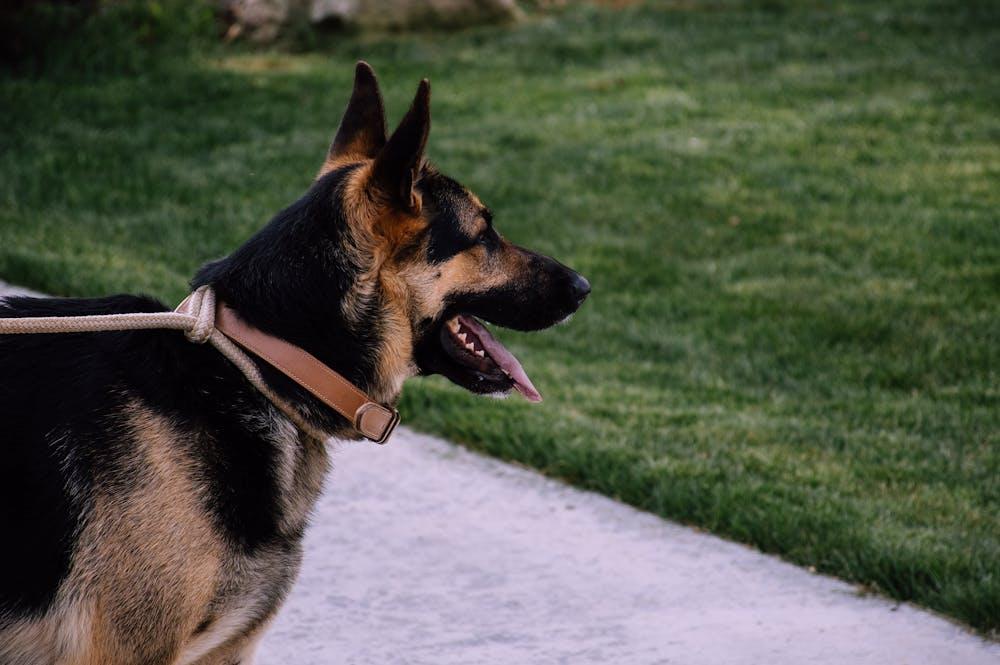
PrimeGuards maintains the highest standards for our K-9 teams through continuous training, certification, and performance evaluation programs that ensure detection accuracy and operational reliability. Our dogs and handlers complete certification through recognized law enforcement K-9 training programs and maintain proficiency through weekly training exercises and regular recertification testing.
Each K-9 team consists of a highly trained dog paired with an experienced handler who understands both canine behavior and security protocols. Handlers complete extensive training in canine care, behavior interpretation, search methodology, and legal compliance that ensures professional deployment in all situations. We maintain detailed training records, health documentation, and performance statistics for every K-9 team, providing clients with verifiable evidence of our teams’ capabilities and reliability.
Our K-9 units arrive at assignments with professional equipment including climate controlled vehicles, search tools, safety equipment, and documentation materials that support thorough inspection processes. We carry comprehensive liability insurance specifically covering K-9 operations and maintain veterinary relationships that ensure our dogs remain healthy and fit for duty at all times.
Professional K-9 Detection Security Services: The Complete Guide
YMYL Safety Compliance: This K-9 detection guide addresses narcotics interdiction, explosives screening, and security canine deployment standards. All information reflects 2026 law enforcement K-9 certification requirements, handler training standards, and professional security association guidelines.
Expert Review Panel: This guide was authored by PrimeGuards’ Director of Tactical Operations and reviewed by certified K-9 handlers, former law enforcement canine supervisors, and detection dog trainers with combined 40+ years in K-9 security operations.
Last reviewed: April 2026 | Next scheduled review: December 2026
Why K-9 Detection Outperforms Technology Alone
A trained detection dog can identify narcotics, explosives, and contraband with accuracy that electronic devices cannot match. A dog’s nose contains up to 300 million olfactory receptors compared to roughly 6 million in humans. This biological advantage allows trained canines to detect substances at concentrations measured in parts per trillion, locating hidden materials inside sealed containers, behind walls, and within vehicles where X-ray machines and metal detectors fail.
Electronic detection devices have improved significantly but remain limited by calibration requirements, false positive rates, and inability to detect substances concealed in complex environments. A K-9 team combines the dog’s sensory capability with the handler’s judgment, creating a detection system that adapts to new environments, recognizes subtle behavioral cues, and operates without the power requirements or maintenance schedules that electronic devices demand.
K-9 detection is not limited to law enforcement. Private security K-9 teams serve corporate campuses, schools, manufacturing facilities, event venues, and transportation hubs where drug use, explosive threats, or contraband smuggling create liability and safety risks. The presence of a K-9 team also creates powerful deterrence. Individuals who might attempt to bring prohibited substances into a facility think twice when they see a detection dog patrolling the entrance.
Types of K-9 Detection Services
Narcotics Detection
Narcotics detection K-9s are trained to identify cocaine, heroin, methamphetamine, MDMA, fentanyl, and prescription medications commonly diverted for abuse. These dogs work in schools, corporate campuses, transportation hubs, and event venues where drug possession creates safety risks, liability exposure, and regulatory compliance issues. A single narcotics detection sweep of a school parking lot can identify multiple vehicles containing controlled substances, providing administrators with actionable intelligence that supports disciplinary action and law enforcement notification.
Corporate clients use narcotics detection to maintain drug-free workplace policies, particularly in industries where impairment creates safety hazards including manufacturing, transportation, and construction. Randomized K-9 sweeps of parking areas, locker rooms, and common areas create deterrence that reduces drug use on company property without requiring individual testing of every employee.
Explosives Detection
Explosives detection K-9s identify commercial explosives, military ordnance, and homemade explosive compounds including those manufactured from common household chemicals. These teams serve critical infrastructure facilities, government buildings, event venues, and transportation hubs where bomb threats or terrorist targeting create catastrophic risk. Explosives detection dogs can identify residue on clothing, luggage, and vehicles even when the primary device has been removed, making them essential for post-threat clearance operations.
Patrol and Apprehension K-9s
Patrol K-9s provide physical security through perimeter patrol, building searches, and suspect tracking. These dogs are trained in bite-and-hold apprehension, allowing them to physically restrain fleeing suspects until officers can secure them. Patrol K-9s work in industrial facilities, warehouse complexes, and large commercial properties where their speed, tracking ability, and physical presence provide security coverage that human officers alone cannot achieve.
Firearms and Contraband Detection
Specialized detection dogs identify firearms, ammunition, and electronic contraband including cell phones and storage devices. These K-9s serve correctional facilities, courthouses, and secure government buildings where weapons and unauthorized electronics create security breaches. The ability to detect firearms concealed on persons, in vehicles, or within packages makes these teams valuable for entrance screening at high-security facilities.
| Detection Type | Target Substances | Typical Environments | Accuracy Rate |
|---|---|---|---|
| Narcotics | Cocaine, heroin, meth, MDMA, fentanyl, prescription drugs | Schools, corporate campuses, events, transportation | 85% to 95% |
| Explosives | Commercial, military, and homemade explosive compounds | Critical infrastructure, events, government buildings | 90% to 98% |
| Patrol / Apprehension | Suspect tracking, perimeter security, building clearance | Industrial facilities, warehouses, large commercial properties | N/A (physical security) |
| Firearms / Contraband | Guns, ammunition, cell phones, electronic storage devices | Courthouses, correctional facilities, secure buildings | 80% to 90% |
K-9 Handler Training and Certification Standards
Law Enforcement K-9 Program Certification
Professional K-9 handlers complete extensive training programs that exceed standard security guard licensing by significant margins. Narcotics and explosives detection handlers typically undergo 8 to 16 weeks of initial training covering canine behavior, scent theory, search patterns, handler commands, and legal standards for detection deployment. Patrol and apprehension handlers complete additional instruction in bite control, suspect tracking, building entry techniques, and use-of-force standards specific to canine deployment.
Certification is not a one-time achievement. Professional K-9 teams must maintain proficiency through weekly training sessions that reinforce detection skills, test the dog’s response to varying concentrations, and introduce new environments that challenge the team’s adaptability. Annual recertification by independent evaluators ensures that the dog maintains minimum performance standards and that the handler continues to demonstrate competent command and control.
Handler Expertise and Legal Compliance
K-9 handlers must understand the legal framework governing detection searches, including Fourth Amendment limitations on searches without consent or probable cause, and the specific statutes that authorize canine deployment in various environments. In schools, for example, K-9 sweeps of lockers and parking lots operate under different legal standards than searches of individual students. Handlers who do not understand these distinctions can create evidence suppression issues that undermine prosecutions and expose the client to civil liability.
K-9 Handler Training Components:
- Scent Theory: Olfactory science, odor recognition, and detection threshold understanding
- Search Patterns: Systematic area coverage, vehicle search techniques, and building clearance
- Canine Behavior: Reading alert signals, managing false indications, and stress recognition
- Legal Standards: Fourth Amendment compliance, consent requirements, and search authorization
- Use-of-Force Protocols: Bite control, suspect restraint, and de-escalation techniques
- Maintenance Training: Weekly sessions and annual recertification by independent evaluators
Industries and Applications
| Industry | Primary Threats | K-9 Coverage Model | Detection Type |
|---|---|---|---|
| Corporate Offices | Drug use, workplace impairment, liability | Randomized parking lot sweeps, common area patrols | Narcotics |
| Schools / Universities | Student drug possession, campus safety | Parking lot sweeps, locker area checks, event screening | Narcotics, firearms |
| Manufacturing | Workplace drug use, safety violations, theft | Employee entrance screening, parking area patrols | Narcotics, patrol |
| Events / Venues | Drug trafficking, explosives, weapons | Entrance screening, perimeter patrol, post-event clearance | Narcotics, explosives, firearms |
| Transportation | Drug smuggling, explosives, contraband | Cargo screening, vehicle inspection, facility patrol | Narcotics, explosives |
| Corrections / Courts | Contraband smuggling, weapons, cell phones | Visitor screening, inmate area checks, mail inspection | Narcotics, firearms, contraband |
Cost, Liability, and Insurance
K-9 security services command premium pricing due to the specialized training, canine acquisition and care costs, and elevated liability exposure associated with detection dog deployment. Narcotics and explosives detection teams typically range from $85 to $150 per hour depending on handler certification, dog specialization, and geographic market. Patrol and apprehension K-9s command similar rates due to the advanced bite-control training and physical risk associated with suspect restraint operations.
Liability exposure for K-9 operations includes bite injuries during apprehension, false positive indications that lead to wrongful detention, and property damage during searches. Professional K-9 providers carry specialized insurance covering canine-related incidents, with minimum coverage of $2 million per occurrence recommended. Clients should verify that the provider’s insurance specifically covers K-9 bite incidents and that the handler’s use-of-force protocols comply with state standards for canine deployment.
K-9 Detection Accuracy Data
Research published in the Journal of Forensic Sciences indicates that certified narcotics detection dogs achieve accuracy rates of 85% to 95% in controlled testing environments, with explosives detection dogs reaching 90% to 98% accuracy. False positive rates for well-trained teams range from 5% to 15%, significantly lower than most electronic detection devices. Weekly maintenance training is the single most important factor in sustaining accuracy, with teams that train less than twice monthly showing measurable degradation in detection performance.
“The effectiveness of a K-9 detection program depends entirely on the quality of the handler, the consistency of training, and the legal compliance of deployment. A poorly trained dog with an inexperienced handler creates liability rather than security. A certified team with ongoing training and legal awareness creates detection capability that no technology can replicate.”
— Police Canine Operations Standards, National Police Canine Association
PrimeGuards K-9 Detection Standards
Law Enforcement Background Requirement
PrimeGuards recruits K-9 handlers exclusively from law enforcement canine program backgrounds or military working dog units. These handlers bring experience in detection operations, suspect apprehension, and legal compliance that civilian-only training cannot replicate. They understand court testimony requirements, evidence preservation standards, and the constitutional limitations that govern detection searches. A handler who has never testified in court, never preserved a detection alert for prosecution, or never operated under Fourth Amendment scrutiny is not qualified for professional K-9 security work.
Continuous Training and Certification
PrimeGuards K-9 teams train weekly to maintain peak detection performance. Training includes scent recognition drills, search pattern exercises, and scenario-based simulations that test the team’s response in realistic environments. Annual recertification by independent evaluators ensures that every team meets national standards for detection accuracy and handler proficiency. Dogs that show performance degradation receive remedial training or are retired from detection work. PrimeGuards does not deploy teams that have not maintained current certification.
PrimeGuards K-9 Detection Standards:
- Law Enforcement Background: Handlers recruited from police canine programs or military working dog units
- Certified Dogs: Detection canines trained and certified by accredited law enforcement programs
- Weekly Training: Mandatory maintenance sessions to sustain detection accuracy and handler proficiency
- Annual Recertification: Independent evaluation by certified K-9 assessors
- Legal Compliance: Handler training in Fourth Amendment standards and search authorization requirements
- Specialized Insurance: Coverage specific to K-9 bite incidents and detection-related liability
PrimeGuards Vetting Standards:
 Law Enforcement Background — Prior service in police canine program or military working dog unit
Handler Certification — Completion of accredited K-9 handler training program
Canine Certification — Detection dog trained and certified by recognized law enforcement program
Background Investigation — FBI fingerprint check, state criminal history, and employment verification
Ongoing Performance Audits — Weekly training verification and annual independent recertification
Frequently Asked Questions
How much does K-9 detection security cost?
K-9 detection services typically range from $85 to $150 per hour depending on detection specialization, handler certification, and geographic market. Narcotics and explosives detection teams fall on the higher end due to the specialized training and liability exposure. Patrol and apprehension K-9s command similar premiums. Event-specific deployments may include travel costs, setup fees, and overtime for extended coverage. PrimeGuards provides itemized proposals that break down handler rates, canine care costs, insurance, and equipment. Long-term contracts for recurring sweeps often qualify for discounts of 15% to 25%.
Are K-9 detection searches legal on private property?
K-9 detection searches on private property are generally legal when conducted with the property owner’s consent or as part of a contractual security agreement. In employment settings, K-9 sweeps of common areas, parking lots, and company vehicles typically do not require individual employee consent because the employer maintains control over the premises. However, searches of personal belongings, lockers assigned to specific employees, or personally owned vehicles may require additional legal authorization depending on state law and company policy. PrimeGuards advises clients to consult with legal counsel to ensure that K-9 deployment protocols comply with applicable state and federal standards before initiating detection programs.
What happens if a K-9 gives a false positive indication?
False positives occur when a detection dog alerts to an area or item that does not contain the target substance. Well-trained teams maintain false positive rates of 5% to 15%, which is lower than most electronic detection devices. When a false positive occurs, the handler documents the alert, explains to the client that the indication requires verification, and conducts a thorough search to confirm or rule out the presence of contraband. PrimeGuards trains handlers to distinguish between genuine alerts and environmental distractions, and to communicate uncertainty honestly rather than fabricating findings. False positives are an expected part of detection work and do not indicate handler incompetence when they occur at normal frequencies.
Can K-9s detect drugs inside sealed containers or vehicles?
Yes. Trained detection dogs can identify narcotics and explosives concealed inside sealed containers, vehicle compartments, luggage, and packages. The dog’s olfactory system detects microscopic particles that escape through seams, vents, and porous materials. A properly trained narcotics dog can identify cocaine hidden inside a sealed plastic bag placed inside a locked vehicle. An explosives detection dog can identify residue on clothing or luggage even when the primary device has been removed. This capability makes K-9 detection superior to visual inspection and many electronic screening methods for concealed contraband.
How often do K-9 teams need to train to maintain accuracy?
Professional K-9 teams should train at least weekly to maintain peak detection performance. Weekly sessions reinforce scent recognition, practice search patterns, and introduce new environments that challenge the team’s adaptability. Teams that train less than twice monthly show measurable degradation in detection accuracy. Annual recertification by independent evaluators is the industry standard for verifying that teams continue to meet minimum performance thresholds. PrimeGuards requires weekly training for all active K-9 teams and conducts quarterly internal assessments to identify teams that need remedial work before annual recertification.
How quickly can PrimeGuards deploy K-9 detection teams?
Standard K-9 detection deployments typically require 48 to 72 hours from contract signing to first team arrival. This allows time for threat assessment, facility orientation, and scheduling coordination. Emergency deployments for urgent situations such as bomb threats or credible narcotics intelligence can sometimes be arranged within 24 hours, though these carry premium pricing due to rapid mobilization. Event-specific K-9 coverage for concerts, festivals, or corporate gatherings requires additional lead time for venue assessment and coordination with event security. PrimeGuards maintains certified K-9 teams across multiple states to ensure deployment capability for clients nationwide.
Professional K-9 Detection Security Services
Protect your facility, your people, and your liability exposure with PrimeGuards’ certified, law enforcement-trained K-9 detection teams. Narcotics, explosives, and contraband detection for every industry and threat level.
Request Your Free K-9 Security Assessment
Law enforcement-trained handlers | Certified detection dogs | Weekly training | Multi-state coverage
Disclaimer: This guide provides general information regarding K-9 detection security services, canine olfaction capabilities, and handler training standards based on common industry practices as of 2026. Specific state laws regarding detection searches, use of force involving canines, and search and seizure standards vary dramatically by jurisdiction and may change as regulations are updated. K-9 detection operations involve significant legal, civil, and criminal liability exposure including bite injuries, false positive claims, and evidence suppression issues that require consultation with qualified legal counsel and insurance professionals. This content does not constitute legal advice or professional security recommendations specific to your situation. Always consult your state’s licensing authority, qualified attorneys, and your insurance provider before deploying K-9 detection teams.
Nationwide K-9 Detection Security Coverage
PrimeGuards provides professional K-9 detection security services across the United States. Our certified K-9 detection security services are available for immediate deployment in all major metropolitan areas including:
West Coast: Los Angeles, San Diego, San Francisco, San Jose, Phoenix, Las Vegas, Seattle, Portland, Sacramento, Oakland
Texas & Southwest: Houston, Dallas, Fort Worth, Austin, San Antonio, El Paso, Albuquerque, Tucson
Midwest: Chicago, Aurora, Naperville, Indianapolis, Detroit, Columbus, Cleveland, Cincinnati, Milwaukee, Madison
Southeast: Atlanta, Miami, Jacksonville, Tampa, Orlando, Charlotte, Raleigh, Charleston, Columbia, Savannah
Northeast: New York City, Buffalo, Newark, Jersey City, Philadelphia, Pittsburgh, Boston, Worcester, Baltimore, Washington DC
Don’t see your city? We cover all 50 states. View complete service area list or contact us for immediate coverage.

Armed & Unarmed Security
We deliver personalized security services designed to fit your specific requirements.
Certified Security Guards
Our certified security guards are extensively trained to tackle any security post.
Fully Licensed Security Officers
Our licensed and insured security guards are managed by law enforcement officers.
K-9 Detection Security Services
We provide K-9 security services that’s uniquely tailored to your needs.
FAQ’s
Request more information now
Support Email
info@primeguards.com
talk to our agent
Live Chat Now
Request more information now
Support Email
info@primeguards.com
talk to our agent
Live Chat Now