
Professional Venue Security and Access Control
Nightclubs, bars, restaurants, and entertainment venues face unique security challenges that require personnel trained in crowd management, age verification, and conflict de-escalation. Our doorman and bouncer teams provide professional entrance screening that includes ID verification, dress code enforcement, guest list management, and bag checks while greeting patrons with courtesy and professionalism.
Our security specialists understand the importance of creating a positive first impression that sets the tone for the entire guest experience. We train our personnel to identify fake identification, recognize intoxicated individuals before they enter, and manage line formations that prevent congestion and frustration. This professional approach reduces liability exposure, prevents underage drinking violations, and minimizes violent incidents that can damage your venue’s reputation.
PrimeGuards bouncers receive specialized training in physical intervention techniques, restraint procedures, and emergency evacuation protocols that meet state licensing requirements while exceeding industry standards.

Residential and Commercial Building Doorman
Luxury residential buildings, high rise condominiums, and corporate offices require doorman security that balances access control with concierge level customer service. PrimeGuards provides uniformed doorman personnel who enhance property value through professional presence, visitor management, and resident assistance while maintaining strict security protocols that protect tenants and property.
Our residential doormen manage visitor logs, package deliveries, vendor access, and after hours entry authorization while providing the courteous service that residents expect in premium properties. We implement visitor verification procedures, temporary access credential management, and emergency contact protocols that maintain security without creating inconvenience for legitimate guests. Corporate office doormen coordinate with building management to implement access control systems, manage loading dock security, and provide visitor escort services that protect sensitive business areas.
Property managers value our doorman teams for their ability to recognize suspicious behavior, identify potential security threats, and respond to emergencies including medical incidents, fire alarms, and security breaches.

Customer Service and Conflict Resolution Expertise
Effective doorman and bouncer security requires personnel who can manage difficult situations through communication and de-escalation rather than relying solely on physical intervention. PrimeGuards emphasizes customer service training that enables our security personnel to resolve conflicts peacefully, manage upset patrons professionally, and maintain positive relationships with regular customers while enforcing necessary security policies.
Our conflict resolution training includes verbal de-escalation techniques, active listening skills, cultural awareness, and emotional intelligence development that helps our personnel understand the root causes of confrontational behavior. We teach staff to recognize when individuals are becoming agitated, how to intervene early in conflict cycles, and when to involve management or law enforcement appropriately. This approach reduces physical altercations, minimizes liability exposure, and creates safer environments for both staff and patrons.
Bouncers and doormen regularly face situations requiring them to deny entry, remove disruptive individuals, or enforce unpopular policies. Our training prepares them to handle these interactions professionally while preserving dignity and respect for all parties involved.

Licensed, Insured, and Legally Compliant Operations
PrimeGuards maintains all required state and local licenses for doorman and bouncer security services, ensuring your business remains compliant with regulations governing private security operations. Our personnel complete mandatory training in use of force, emergency response, and legal limitations on security authority while maintaining current certifications in first aid, CPR, and alcohol service regulations.
We carry comprehensive general liability insurance with $5 million per occurrence coverage specifically designed for venue and property security operations. This coverage protects your business from potential liability issues arising from security incidents, while our workers compensation and professional liability policies ensure complete protection for all parties involved in our security operations.
Our legal compliance team stays current with evolving regulations affecting security operations including trespass laws, citizen arrest procedures, use of force limitations, and documentation requirements. We provide incident reporting systems, evidence collection procedures, and witness statement protocols that support legal proceedings when security incidents require law enforcement involvement or civil litigation.
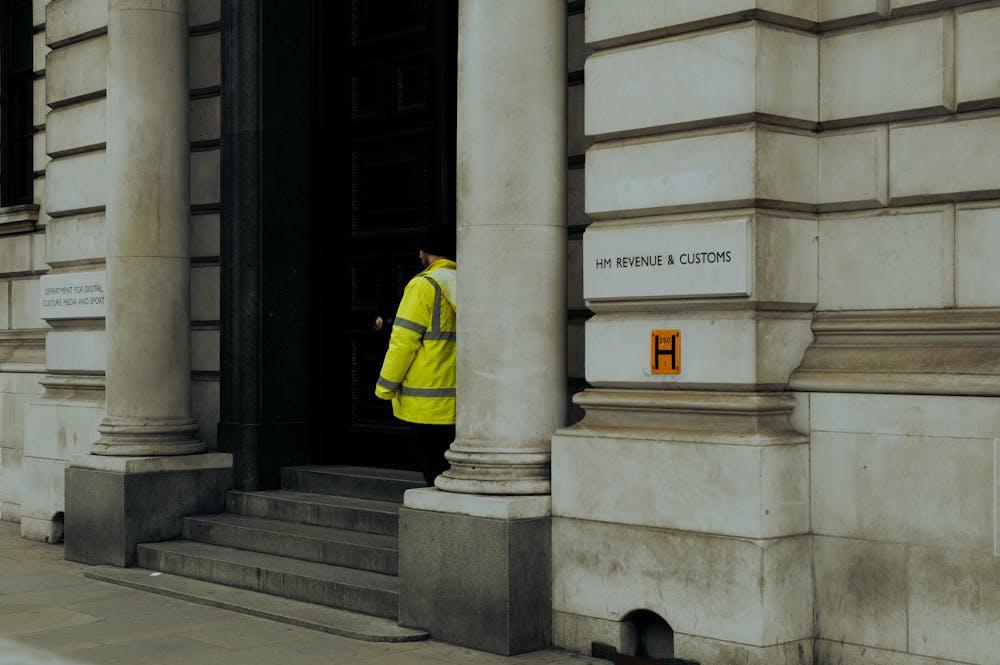
Professional Doorman and Bouncer Security Services: The Complete Guide
YMYL Safety Compliance: This doorman and bouncer security guide addresses venue safety, alcohol liability, and use-of-force standards. All information reflects 2026 state licensing requirements, dram shop liability statutes, and professional security association guidelines.
Expert Review Panel: This guide was authored by PrimeGuards’ Director of Operations and reviewed by licensed security supervisors, hospitality industry consultants, and liability insurance specialists with combined 30+ years in venue and property security management.
Last reviewed: April 2026 | Next scheduled review: December 2026
The Entrance Is Your Most Critical Security Point
The person standing at your door controls everything that happens inside. They decide who enters, who stays out, and what problems walk through your threshold before you ever know they exist. A professional doorman or bouncer is not just a big person in a black shirt. They are the first line of defense against liability, violence, property damage, and regulatory violations.
Venue owners and property managers often underestimate the liability exposure created at the entrance. An underage drinker who slips past ID verification can trigger a dram shop lawsuit that bankrupts a bar. An intoxicated patron who starts a fight creates workers compensation claims, civil liability, and potential criminal charges. A trespasser who gains access to a residential building and commits a crime exposes the property management to negligent security litigation. Every one of these scenarios begins at the door.
The difference between a bouncer and a professional doorman matters. A bouncer reacts to problems after they start. A professional doorman prevents problems before they begin. Bouncers throw people out. Doormen keep the wrong people from coming in. Both roles require physical capability, but the professional doorman adds judgment, communication skills, and legal awareness that reduce incidents rather than simply responding to them.
Types of Doorman and Bouncer Services
Nightclub and Bar Security
Nightclub and bar doormen face the most intense security environment in the hospitality industry. They verify age and identification, screen for intoxication, enforce dress codes, manage capacity limits, and spot weapons or contraband before entry. Once inside, they monitor crowd behavior, identify escalating conflicts, and remove disruptive patrons before situations spiral into violence.
The pace of nightclub security is relentless. A doorman at a busy urban club might screen three hundred people in a single night, each one a potential liability. Fake IDs, concealed weapons, pre-existing intoxication, and hostile groups all create risks that must be identified in seconds. Professional club security guards train specifically in rapid threat assessment, verbal de-escalation, and physical restraint techniques that comply with state use-of-force standards.
Residential and Luxury Doorman
Residential doormen serve a different function than nightclub bouncers, but the stakes are equally high. They control building access, verify visitors and deliveries, manage package intake, and provide concierge services that enhance resident satisfaction. A residential doorman who fails to challenge an unauthorized entrant creates liability if that person commits a crime inside the building. A doorman who treats residents poorly damages property value and tenant retention.
Luxury residential properties require doormen who balance security vigilance with hospitality excellence. They greet residents by name, assist with luggage, coordinate with building management, and maintain awareness of who belongs in the building and who does not. The best residential doormen become trusted fixtures of the community, known to every tenant and respected by every visitor.
Corporate Lobby Doorman
Corporate doormen control access to office buildings, business parks, and professional facilities. They verify employee badges, register visitors, manage vendor access, and enforce after-hours entry protocols. Unlike residential doormen who know a stable tenant population, corporate doormen face constantly changing visitor traffic that requires systematic verification procedures.
Corporate doormen also serve as the first impression for clients, investors, and partners visiting the building. A professional, well-groomed doorman who efficiently processes entry while maintaining security standards projects competence and attention to detail. A sloppy, inattentive doorman signals that the company does not take security seriously.
Event Access Control
Event doormen manage ticket verification, credential screening, and crowd flow at concerts, conferences, sporting events, and private functions. They prevent gate-crashing, verify VIP credentials, and maintain capacity limits that protect against fire code violations and crowd crush hazards. Event security requires guards who can process large volumes of people quickly while maintaining vigilance for threats.
| Service Type | Typical Environment | Primary Duties | Key Risk |
|---|---|---|---|
| Nightclub / Bar | Bars, nightclubs, lounges, music venues | ID verification, intoxication screening, conflict removal | Dram shop liability, assault, underage service |
| Residential Doorman | Apartment buildings, condos, luxury residences | Visitor verification, package management, concierge | Unauthorized entry, theft, tenant safety |
| Corporate Lobby | Office buildings, business parks, medical facilities | Badge verification, visitor registration, vendor access | Unauthorized access, workplace violence, theft |
| Event Access Control | Concerts, conferences, sporting events, private parties | Ticket verification, credential screening, crowd flow | Gate-crashing, capacity violations, crowd crush |
Core Responsibilities and Professional Skills
ID Verification and Fake Detection
Professional doormen verify thousands of identifications annually. They learn to spot fake IDs by examining holograms, feeling for raised text, checking photo consistency, and recognizing behavioral indicators that suggest a document is fraudulent. Modern fake IDs have become sophisticated, with some replicating security features that were once reliable indicators of authenticity. Professional training includes updated techniques for detecting the latest counterfeit methods.
ID verification is not just about age. It is about accountability. When a doorman logs an ID, they create a record of who was present if an incident occurs later. That record supports police investigations, insurance claims, and liability defense. Sloppy ID verification creates exposure that can destroy a venue.
Crowd Management and Capacity Enforcement
Fire codes, occupancy permits, and insurance requirements all limit how many people can legally occupy a venue. Professional doormen track entry and exit counts, monitor crowd density, and enforce capacity limits before violations occur. They understand that exceeding capacity creates not only regulatory fines but also life safety hazards including crowd crush, blocked egress routes, and delayed emergency response.
Conflict De-escalation and Removal
The most valuable skill a doorman possesses is not physical strength. It is the ability to calm an angry person without touching them. Verbal de-escalation, non-threatening body language, and strategic positioning can resolve most conflicts before they require physical intervention. When removal is necessary, professional doormen use controlled techniques that minimize injury risk while complying with state use-of-force standards.
Professional Doorman Core Competencies:
- ID Verification: Document authentication, fake detection, and legal age compliance
- Intoxication Assessment: Behavioral indicators, speech patterns, and coordination evaluation
- Conflict De-escalation: Verbal judo, non-threatening positioning, and peaceful resolution techniques
- Crowd Management: Capacity tracking, density monitoring, and egress route maintenance
- Emergency Response: Evacuation procedures, medical emergency recognition, and 911 coordination
- Incident Documentation: Detailed report writing for legal and insurance purposes
Legal Compliance and Liability Protection
State Licensing and Training Requirements
Most states require doormen and bouncers to hold valid security guard licenses, though enforcement varies by jurisdiction. Some states mandate specific training in alcohol service laws, use-of-force standards, and de-escalation techniques. Others have minimal requirements that leave venue owners exposed if unlicensed personnel create liability. Clients should verify that every doorman assigned to their property holds current state credentials and has completed training specific to their operating environment.
Dram Shop Liability and Alcohol Exposure
Dram shop laws hold alcohol-serving establishments liable for injuries caused by intoxicated patrons they served. If a doorman allows an obviously intoxicated person to enter a bar, and that person later drives drunk and kills someone, the venue can face catastrophic civil liability. Professional doormen understand that their screening decisions at the door directly affect the venue’s legal exposure for everything that happens afterward.
The standard for dram shop liability is typically whether the establishment served alcohol to someone who was already visibly intoxicated. A doorman who admits an intoxicated person, or who fails to recognize signs of impairment, creates the first link in a liability chain that can result in multi-million dollar judgments.
Venue Liability Statistics
Dram shop lawsuits settle at an average of $1.2 million when establishments serve visibly intoxicated patrons who later cause injury. Assault lawsuits against venues average $850,000 when inadequate security is established as a contributing factor. A single negligent hiring claim against a venue that employed an unlicensed bouncer with a criminal history can exceed $2 million. Professional doorman and bouncer services with proper licensing, training, and insurance reduce these exposures significantly.
Use of Force and Citizen’s Arrest
Doormen and bouncers have limited legal authority. They are not police officers. They cannot arrest people for minor crimes, use excessive force, or detain individuals beyond what state citizen’s arrest statutes permit. Professional training emphasizes that physical contact should be the last resort, used only when necessary to protect people or property, and proportionate to the threat. Any use of force must be documented in detail, including the specific behaviors that justified the response.
“The best bouncer is the one who never throws a punch. Professional doormen prevent violence through observation, communication, and strategic positioning. When physical intervention becomes necessary, it is controlled, documented, and legally justified. Venues that hire untrained personnel to handle door security are gambling with their business.”
— Hospitality Security Standards, ASIS International
Industries and Venues Served
| Venue Type | Primary Threats | Doorman Functions | Regulatory Concerns |
|---|---|---|---|
| Nightclubs / Bars | Assault, underage drinking, intoxication-related incidents | ID check, intoxication screening, conflict removal | Dram shop, liquor licensing, capacity limits |
| Residential Buildings | Unauthorized entry, theft, tenant safety | Visitor verification, package management, access control | Negligent security, privacy, tenant rights |
| Corporate Offices | Unauthorized access, workplace violence, theft | Badge check, visitor registration, vendor screening | OSHA, data security, building codes |
| Hotels / Hospitality | Theft, unauthorized room access, guest disputes | Guest verification, key control, lobby monitoring | Guest privacy, liability, brand protection |
| Events / Concerts | Gate-crashing, crowd crush, unauthorized access | Ticket verification, credential screening, flow control | Fire codes, occupancy permits, alcohol licensing |
Cost and Pricing Structure
Doorman and bouncer services typically range from $30 to $55 per hour depending on the venue type, shift timing, and guard qualifications. Nightclub and bar security commands higher rates due to the elevated risk environment, late-night shifts, and specialized training requirements. Residential and corporate doormen fall on the lower end of the range, reflecting lower physical risk and more predictable schedules.
Event security pricing varies based on crowd size, duration, and credential requirements. A small private function might need one doorman at standard rates. A major concert or festival requires dozens of guards, supervisors, and coordination personnel, with pricing scaled accordingly. PrimeGuards provides itemized proposals that break down staffing levels, hourly rates, and supervision costs so clients understand exactly what they are paying for.
Pricing Factors for Doorman and Bouncer Services:
- Venue Risk Level: Nightclubs and bars carry higher premiums than residential or corporate settings
- Shift Timing: Overnight shifts, weekends, and holidays command 25% to 50% premiums
- Guard Experience: Seasoned doormen with nightclub or hospitality backgrounds earn higher rates
- Event Size: Large crowds require additional supervisors and coordination personnel
- Insurance Requirements: Venues with alcohol service need guards covered under dram shop policies
- Technology Needs: ID scanners, digital logging, and communication systems may add equipment fees
PrimeGuards Doorman and Bouncer Standards
Hospitality-Focused Recruitment
PrimeGuards recruits doormen and bouncers from hospitality backgrounds, security professionals with nightclub experience, and candidates who demonstrate the judgment and communication skills that door work requires. Physical capability matters, but it is not the primary qualification. We look for people who can read a room, spot trouble before it starts, and resolve conflicts without escalation.
Every candidate passes background checks, drug screening, and reference verification. We specifically screen for anger management issues, excessive force complaints from previous employment, and any history that suggests the candidate might create liability rather than prevent it. Guards who cannot control their own temper have no business controlling access to your venue.
Training That Covers Law, Liability, and Technique
State licensing sets a baseline. PrimeGuards builds on it. Our doormen receive training in ID verification techniques, intoxication assessment, verbal de-escalation, controlled physical intervention, and incident documentation. They understand dram shop liability, use-of-force limitations, and the specific legal standards that apply to their operating environment. A guard who does not know the law is a liability waiting to happen.
PrimeGuards Doorman and Bouncer Standards:
- Hospitality Background Screening: Prior nightclub, hotel, or event security experience preferred
- Legal Compliance Training: Dram shop laws, use-of-force standards, and citizen’s arrest limitations
- De-escalation Certification: Verbal judo and conflict resolution without physical contact
- ID Verification Expertise: Current fake detection techniques and document authentication
- Incident Documentation: Detailed report writing for legal defense and insurance claims
- Professional Appearance: Uniform standards that project competence and authority
PrimeGuards Vetting Standards:
 Background Investigation — FBI fingerprint check, state criminal history, and employment verification
Anger Management Screening — Psychological evaluation for impulse control and stress response
Drug Testing — Pre-employment and random screening protocols
Reference Verification — Direct contact with previous employers in hospitality or security
Ongoing Supervision — Field managers conduct unannounced inspections and performance reviews
Frequently Asked Questions
Do bouncers need a security license?
In most states, yes. Doormen and bouncers are typically required to hold the same security guard license as other private security personnel. Requirements vary by state but generally include background checks, fingerprinting, and basic training. Some states add specific modules for alcohol service venues or crowd management. Venues that employ unlicensed bouncers face regulatory penalties and increased liability if incidents occur. Clients should verify that every doorman assigned to their property holds current state credentials.
Can a bouncer physically remove someone from a venue?
Bouncers may use reasonable physical force to remove disruptive or trespassing individuals, but the standard for “reasonable” varies by state and situation. Professional doormen are trained to use verbal de-escalation first and physical contact only as a last resort. When removal is necessary, controlled techniques that minimize injury risk are required. Excessive force, including strikes, chokeholds, or slamming, can create criminal and civil liability for both the individual bouncer and the venue. PrimeGuards trains all personnel in legally compliant removal procedures and requires detailed incident documentation for any physical contact.
How much does doorman and bouncer security cost?
Doorman and bouncer services typically range from $30 to $55 per hour depending on venue type, shift timing, and guard qualifications. Nightclub and bar security commands higher rates due to elevated risk and late-night shifts. Residential and corporate doormen fall on the lower end. Event security pricing scales based on crowd size and duration. Overnight shifts, weekends, and holidays carry premiums of 25% to 50% above standard rates. Long-term contracts often qualify for discounts of 10% to 20%.
What is dram shop liability and how does it affect doormen?
Dram shop laws hold alcohol-serving establishments liable for injuries caused by intoxicated patrons they served. If a doorman admits an obviously intoxicated person to a bar, and that person later causes injury, the venue can face catastrophic civil liability. Professional doormen are trained to recognize signs of intoxication and deny entry to impaired individuals. This screening protects the venue from the first link in a liability chain that can result in multi-million dollar judgments. PrimeGuards doormen understand dram shop exposure and treat ID verification and intoxication screening as legal compliance functions, not just door policies.
Should residential buildings use professional doormen or concierge staff?
Residential buildings should use professional security doormen rather than untrained concierge staff when security is a priority. While concierge staff can handle basic visitor logging and package acceptance, they lack the training to recognize security threats, challenge unauthorized entrants, or respond to emergencies. A professional doorman combines hospitality skills with security awareness, greeting residents warmly while maintaining vigilance for tailgating, suspicious visitors, and safety hazards. The additional cost of a licensed security professional is minimal compared to the liability exposure created by an untrained concierge who fails to prevent a security incident.
How quickly can PrimeGuards deploy doorman and bouncer coverage?
Standard doorman and bouncer deployments typically require 48 to 72 hours from contract signing to first shift. This allows time for venue-specific training, staff orientation, and scheduling coordination. Emergency deployments for urgent situations can sometimes be arranged within 24 hours, though these may carry premium pricing. Large events requiring dozens of guards need additional lead time for coordination and supervisor assignment. PrimeGuards maintains a roster of trained hospitality security professionals across multiple states to ensure rapid response capability.
Professional Doorman and Bouncer Services
Protect your venue, your patrons, and your liability exposure with PrimeGuards’ trained, licensed, and professionally managed doorman and bouncer security personnel. Customized coverage for every environment and risk level.
Request Your Free Venue Assessment
Licensed across multiple states | Dram shop trained | Conflict de-escalation certified | Transparent pricing
Disclaimer: This guide provides general information regarding doorman and bouncer security services, dram shop liability, and venue security standards based on common practices as of 2026. Specific state and local requirements vary by jurisdiction and may change as regulations are updated. Alcohol service liability, use-of-force standards, and security licensing requirements involve complex legal considerations that require consultation with qualified legal counsel and insurance professionals. This content does not constitute legal advice or professional security recommendations specific to your situation. Always consult your state’s licensing authority, liquor control board, and your insurance provider before contracting security services for alcohol-serving venues.
Nationwide Doorman Security Guard Coverage
PrimeGuards provides professional doorman security guard services across the United States. Our certified doorman security guards are available for immediate deployment in all major metropolitan areas including:
West Coast: Los Angeles, San Diego, San Francisco, San Jose, Phoenix, Las Vegas, Seattle, Portland, Sacramento, Oakland
Texas & Southwest: Houston, Dallas, Fort Worth, Austin, San Antonio, El Paso, Albuquerque, Tucson
Midwest: Chicago, Aurora, Naperville, Indianapolis, Detroit, Columbus, Cleveland, Cincinnati, Milwaukee, Madison
Southeast: Atlanta, Miami, Jacksonville, Tampa, Orlando, Charlotte, Raleigh, Charleston, Columbia, Savannah
Northeast: New York City, Buffalo, Newark, Jersey City, Philadelphia, Pittsburgh, Boston, Worcester, Baltimore, Washington DC
Don’t see your city? We cover all 50 states. View complete service area list or contact us for immediate coverage.

Armed & Unarmed Security
We deliver personalized security services designed to fit your specific requirements.
Certified Security Guards
Our certified security guards are extensively trained to tackle any security post.
Fully Licensed Security Officers
Our licensed and insured security guards are managed by law enforcement officers.
Doorman & Bouncer Security
We provide doorman and bouncer security services tailored to your business.
FAQ’s
Request more information now
Support Email
info@primeguards.com
talk to our agent
Live Chat Now
Request more information now
Support Email
info@primeguards.com
talk to our agent
Live Chat Now