
Bank Security Guards
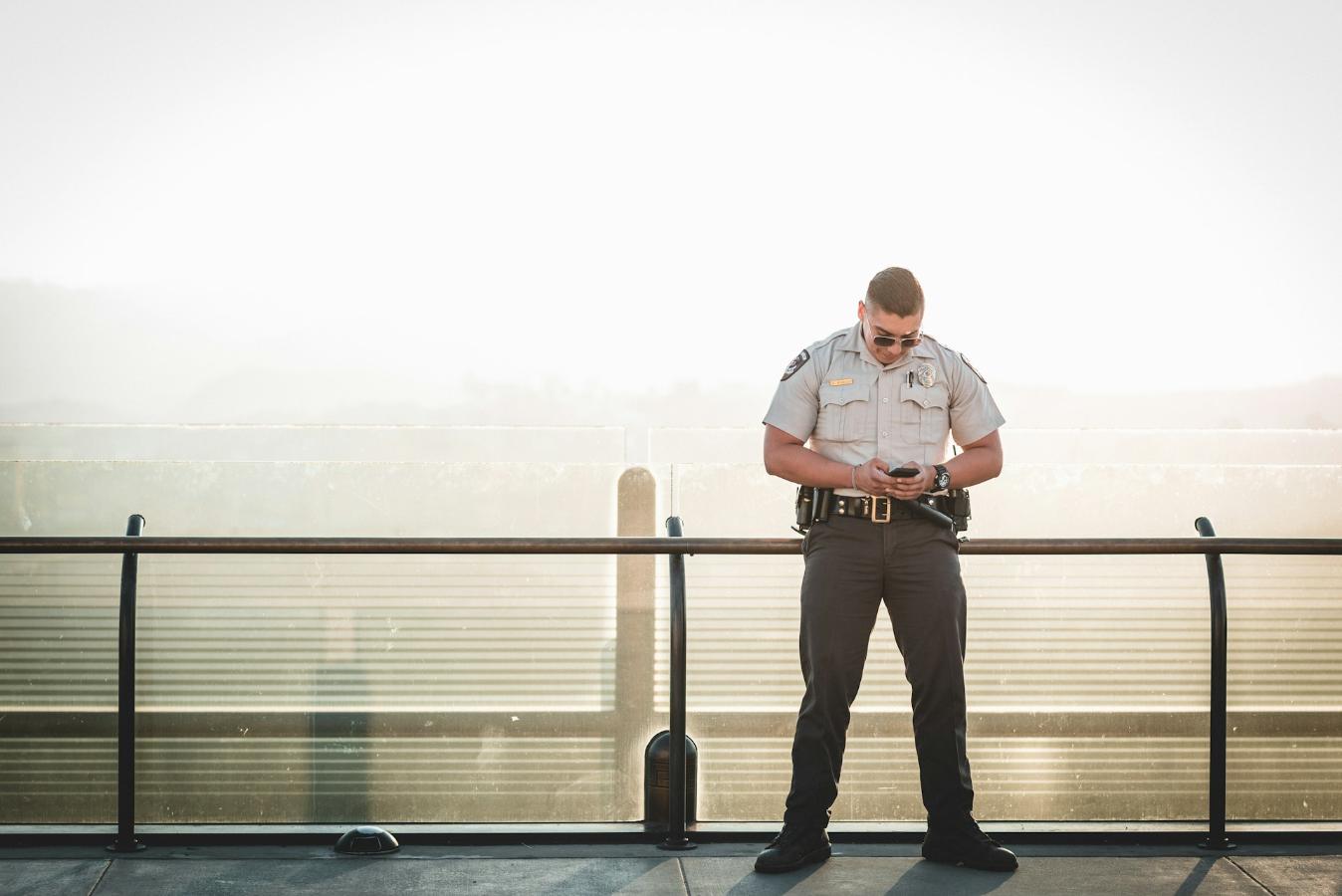
A bank lobby should feel welcoming, yet impenetrable. PrimeGuards supplies licensed security officers who greet customers with a smile while maintaining a constant scan of entrances, teller lines, and waiting areas.
Our guards are trained in verbal de-escalation, silent-alarm activation, and post-incident lockdown, ensuring that everyday transactions proceed smoothly and that emergencies are handled swiftly and professionally. Their visible presence deters robbery, reduces customer anxiety, and provides staff with immediate on-site support during disputes or medical events.
We also coordinate with local police, manage after-hours access, and provide detailed incident reports that satisfy FDIC and state regulatory requirements. Whether your branch is downtown or suburban, PrimeGuards delivers calm, competent protection that protects people, property, and reputation.
ATM Security Guards
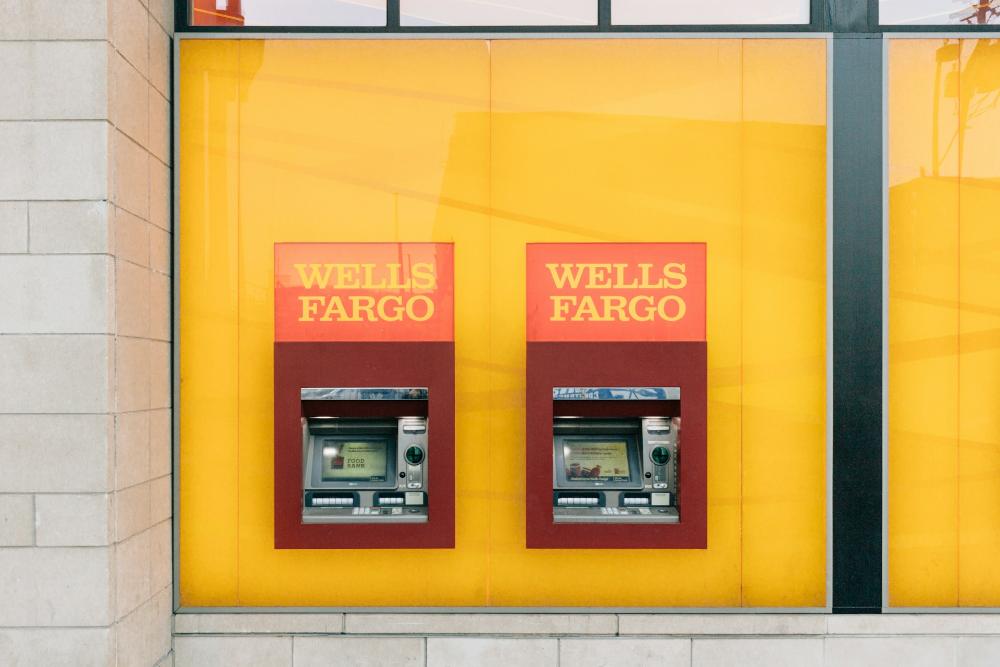
An ATM in a dark corner is a magnet for crime. PrimeGuards places certified ATM security officers who patrol cash-machine plazas on foot and by marked vehicle throughout the night, checking for skimming devices, vandalism, and suspicious loiterers.
Our guards inspect card slots, keypads, and fascia daily, removing illegal devices before customers insert their cards. They also monitor lighting levels, ensuring that every cash point remains brightly lit and clearly visible to passing traffic.
When a customer feels uneasy, our officer is trained to approach politely, offer assistance, and remain nearby until the transaction is complete. This visible presence deters robbery and creates a safer, more welcoming environment for late-night shoppers and shift workers.
ATM Cash-In-Transit Escort
Moving money is the riskiest part of the ATM cycle. PrimeGuards supplies armed, licensed escort teams who arrive in low-profile, GPS-tracked vehicles and follow a pre-approved route from your cash vault to each machine on site.
Our officers carry covert radios, body-worn cameras, and trauma kits, ensuring they can respond to mechanical breakdowns, traffic incidents, or attempted robbery without delay. They also coordinate with local police dispatch, providing real-time location updates so emergency units know exactly where to find the convoy if trouble arises.
Each delivery is logged with time stamps, seal numbers, and photographs of the cash cassette before and after installation, giving you a complete audit trail for insurer and regulatory review. One client reduced cash-loss incidents to zero within twelve months of our escort program, saving more than the annual cost of the service.
Bank Mobile Patrol Rapid Response
A single patrol car can protect multiple branches, if it is in the right place at the right time. PrimeGuards operates GPS-tracked rapid-response vehicles that circle your branch network every hour, providing immediate backup during alarms, medical emergencies, or suspicious-person calls.
Our officers are trained in bank specific protocols: they can secure a lobby, manage crowds, and preserve evidence until police arrive. They also carry portable radios that link directly to your alarm panel, ensuring that when a sensor triggers, help is already rolling.
Real-time dispatch logs are uploaded to our client portal, giving you court ready evidence of response times and incident details for insurer and regulatory review. One regional bank reduced false alarm fines by 40 percent after our rapid response team began verifying threats before police dispatch.

Bank and ATM Security Guard Services: The Complete Guide
YMYL Safety Compliance: This bank security guide addresses financial institution protection, cash handling safety, and regulatory compliance standards. All information reflects 2026 FDIC guidelines, state banking security requirements, and professional financial security association standards.
Expert Review Panel: This guide was authored by PrimeGuards’ Director of Financial Institution Security and reviewed by former bank security officers, certified cash handling specialists, and financial regulatory compliance consultants with combined 35+ years in bank protection, ATM security, and cash-in-transit operations.
Last reviewed: April 2026 | Next scheduled review: December 2026
Why Banks Need Specialized Security
A bank is a building full of money. That simple fact makes it a target. Robbers know that teller drawers contain cash. ATM machines hold thousands of dollars in cassettes. Vaults store the reserves that keep the institution operating. The threat is not hypothetical. Bank robberies occur thousands of times per year in the United States. ATM skimming devices steal millions in fraudulent transactions. Cash-in-transit vehicles are ambushed on highways and in parking lots. The financial services industry faces security challenges that are more intense and more regulated than almost any other commercial sector.
Banks also face regulatory requirements that other businesses do not. The FDIC, OCC, Federal Reserve, and state banking regulators all impose security standards that institutions must meet. Security cameras must record continuously. Alarms must connect to central monitoring stations. Cash handling procedures must include dual control and audit trails. Incident reports must be filed with law enforcement and regulators within specified timeframes. Failure to meet these standards can result in fines, enforcement actions, and reputational damage that affects depositor confidence.
PrimeGuards provides specialized bank and ATM security services designed for the unique risks and regulatory requirements of financial institutions. Our licensed officers understand bank protocols, cash handling procedures, and regulatory compliance requirements. We protect branch lobbies, ATM plazas, cash-in-transit operations, and after hours facilities with the professionalism that banking customers expect and regulators demand. This guide explains what bank security covers, how it differs from standard commercial security, and what financial institutions should know when evaluating security providers.
Types of Bank and ATM Security Services
Bank Lobby and Branch Security
A bank lobby should feel welcoming, yet impenetrable. Customers need to feel safe conducting their financial business, while potential robbers need to see a security presence that makes them choose a different target. PrimeGuards supplies licensed security officers who greet customers with professionalism while maintaining constant awareness of entrances, teller lines, waiting areas, and vulnerable spaces where threats develop.
Our guards are trained in verbal de escalation techniques that resolve customer disputes before they escalate into confrontations that disrupt operations and frighten other customers. They understand silent alarm activation procedures that summon police without alerting robbers that help is coming. Post incident lockdown protocols secure the scene, preserve evidence, and protect staff and customers until law enforcement arrives. Our officers coordinate with local police departments to establish communication protocols and response time expectations. They manage after hours access for cleaning crews, maintenance personnel, and armored car services, verifying credentials and maintaining logs that satisfy audit requirements.
PrimeGuards lobby officers also provide customer service functions that enhance the banking experience. They assist elderly customers with doors, direct visitors to appropriate service areas, and provide a reassuring presence that reduces the anxiety some customers feel when handling large transactions. This dual role of security and service makes our officers valuable members of the branch team rather than intimidating figures that alienate customers.
ATM Security and Skimming Prevention
An ATM in a dark corner is a magnet for crime. Automated teller machines face threats that include physical robbery of customers using the machine, installation of skimming devices that capture card data, vandalism that damages equipment, and cash theft from the machine itself. PrimeGuards places certified ATM security officers who patrol cash machine plazas on foot and by marked vehicle throughout the day and night, checking for skimming devices, vandalism, and suspicious loiterers.
Our guards inspect card slots, keypads, and fascia panels daily, removing illegal devices before customers insert their cards. Skimming devices have become increasingly sophisticated, with some models including pinhole cameras that record PIN entries and Bluetooth transmitters that relay captured data to nearby receivers. Our officers are trained to recognize the subtle signs of tampering that indicate a skimmer has been installed. They check for loose fascia panels, misaligned card slots, and keypad overlays that feel different from the original surface.
Lighting assessment is a critical component of ATM security. Our officers monitor illumination levels around ATM plazas, reporting burned out bulbs, damaged fixtures, and vegetation growth that creates dark corners where criminals operate. When a customer feels uneasy using an ATM, our officer approaches politely, offers assistance, and remains nearby until the transaction is complete. This visible presence deters robbery and creates a safer, more welcoming environment for late night shoppers and shift workers who need cash access outside normal banking hours.
Cash-In-Transit Escort and Protection
Moving money is the riskiest part of the banking cycle. Cash and coin must travel from central vaults to branch locations, from branches to ATM machines, and from commercial customers to processing centers. Each movement creates an opportunity for robbery, theft, or loss. PrimeGuards supplies armed, licensed escort teams who arrive in low profile, GPS tracked vehicles and follow pre approved routes from cash vaults to each machine or branch on the schedule.
Our officers carry covert radios, body worn cameras, and trauma kits, ensuring they can respond to mechanical breakdowns, traffic incidents, or attempted robbery without delay. They coordinate with local police dispatch, providing real time location updates so emergency units know exactly where to find the convoy if trouble arises. Each delivery is logged with timestamps, seal numbers, and photographs of cash cassettes before and after installation, creating a complete audit trail for insurer and regulatory review.
Cash-in-transit security requires more than armed guards in trucks. It requires route planning that avoids high crime areas and predictable patterns. It requires vehicle maintenance that prevents breakdowns in vulnerable locations. It requires communication protocols that maintain contact with dispatch throughout the route. It requires dual control procedures that ensure no single person has unsupervised access to cash. PrimeGuards implements all of these controls, providing the layered security that reduces cash loss incidents to near zero.
Bank Mobile Patrol and Rapid Response
A single patrol car can protect multiple branches if it is in the right place at the right time. PrimeGuards operates GPS tracked rapid response vehicles that circle branch networks on randomized schedules, providing immediate backup during alarms, medical emergencies, or suspicious person calls. Our officers are trained in bank specific protocols that allow them to secure a lobby, manage crowds, and preserve evidence until police arrive.
Our patrol officers carry portable radios that link directly to alarm panels, ensuring that when a sensor triggers, help is already rolling. Real time dispatch logs are uploaded to our client portal, providing court ready evidence of response times and incident details for insurer and regulatory review. Randomized patrol patterns prevent criminals from predicting when a branch will receive coverage, while GPS tracking allows dispatch to direct the nearest available unit to any branch within minutes.
Mobile patrol also provides after hours protection for branches that do not warrant full time overnight officers. Patrol vehicles check perimeter doors, verify that alarm systems are armed, and inspect parking lots for suspicious vehicles or vandalism. When alarm companies report activations, our patrol officers respond physically to verify whether the alarm indicates an actual intrusion or a false activation caused by weather, animals, or equipment malfunction. This verification service reduces false alarm fines and ensures that police resources are reserved for genuine emergencies.
| Security Service | Primary Coverage | Best For | Cost Factor |
|---|---|---|---|
| Bank Lobby Security | Branch lobbies, teller lines, entrances, waiting areas | Robbery deterrence, customer service, dispute resolution | Base rate |
| ATM Security | ATM plazas, card slots, keypads, lighting, customer safety | Skimming prevention, robbery deterrence, vandalism reduction | 1.0x – 1.3x base |
| Cash-In-Transit Escort | Vault to branch, vault to ATM, commercial pickups | Cash loss prevention, robbery deterrence, audit compliance | 2.0x – 3.5x base |
| Mobile Patrol | Multiple branches, after hours, alarm response | Multi branch coverage, false alarm reduction, rapid response | 1.2x – 1.8x base |
| After Hours Protection | Vault areas, night depositories, drive through lanes | Night depository security, vault monitoring, break in prevention | 1.3x – 1.8x base |
Bank Security Threats and Risk Management
Robbery and Physical Threats
Bank robbery remains the most visible and traumatic threat facing financial institutions. While the number of robberies has declined over the past two decades due to improved security technology, the incidents that do occur are often violent and dangerous. Robbers target banks because of the cash concentration, but they also target the people inside. Tellers face the highest risk because they handle cash directly. Customers face risk because they are present during the incident. Security officers face risk because they are the primary obstacle between the robber and the money.
PrimeGuards robbery deterrence strategy focuses on visibility, unpredictability, and rapid response. Visible security officers in lobbies signal to potential robbers that the branch is protected. Randomized patrol schedules for mobile units prevent robbers from timing their approach to avoid security coverage. Rapid response protocols ensure that when alarms activate, officers arrive within minutes to secure the scene and assist law enforcement. Our officers are trained to prioritize life safety over property protection, cooperating with robber demands when necessary while activating silent alarms and observing details that help police identify suspects later.
ATM Skimming and Electronic Fraud
ATM skimming has evolved from crude devices attached with tape to sophisticated electronic systems that are nearly indistinguishable from legitimate machine components. Modern skimmers include deep insert devices that fit inside the card slot, shimmer devices that read chip data, and pinhole cameras hidden in brochure holders or light fixtures that capture PIN entries. The devices are installed in seconds during periods when the ATM plaza is unobserved, and they can operate for days or weeks before discovery.
PrimeGuards ATM security officers conduct daily inspections of every machine in their coverage area, checking for tampering indicators that automated monitoring systems cannot detect. They verify that card slots are secure, keypads have not been overlaid, and fascia panels are properly attached. They monitor the area around ATMs for individuals who appear to be loitering without conducting transactions, as these individuals may be skimmer installers or data collectors waiting to retrieve devices. Our patrol schedules for ATM plazas are randomized to prevent criminals from predicting when inspections will occur.
Cash-In-Transit Ambush and Theft
Cash-in-transit vehicles are ambushed at loading docks, in parking lots, and on highways by criminals who know the routes and schedules. The attacks are often violent, involving firearms and physical assault on drivers and guards. The losses are substantial, with single incidents sometimes exceeding $500,000 in stolen cash. The liability extends beyond the cash itself to worker compensation claims, insurance premium increases, and reputational damage that affects customer confidence.
PrimeGuards cash-in-transit security addresses these risks through multiple layers. Armed escort teams provide physical protection during loading, transport, and unloading. GPS tracking allows dispatch to monitor vehicle locations and detect route deviations that may indicate hijacking. Covert radios maintain communication even when primary systems fail. Body worn cameras document incidents for prosecution and insurance claims. Route planning avoids high crime areas and varies patterns to prevent predictability. Vehicle selection includes low profile designs that do not advertise the cargo. These layers work together to make ambush attempts more difficult and more likely to fail.
| Threat Category | Primary Risk Areas | Prevention Strategy | Response Protocol |
|---|---|---|---|
| Bank Robbery | Lobby, teller lines, drive through | Visible officers, randomized patrol, camera coverage | Silent alarm, scene security, evidence preservation |
| ATM Skimming | Card slots, keypads, fascia panels | Daily inspections, lighting maintenance, customer awareness | Device removal, law enforcement notification, customer alert |
| Cash-In-Transit Ambush | Loading docks, parking lots, highways | Armed escorts, GPS tracking, route variation, covert radios | Emergency dispatch, vehicle tracking, law enforcement coordination |
| After Hours Break In | Vault areas, night depositories, rear doors | Alarm systems, mobile patrol, perimeter lighting | Alarm verification, police notification, scene security |
| Customer Disputes | Teller lines, manager offices, lobby | Officer presence, de escalation training, clear policies | Verbal intervention, removal if necessary, police if violent |
| Vandalism | Exterior walls, windows, ATM machines, signage | Lighting, patrol, camera coverage, graffiti resistant surfaces | Documentation, suspect identification, repair coordination |
Regulatory Compliance and Industry Standards
FDIC and Federal Security Requirements
Federal banking regulators impose security standards that institutions must meet to maintain deposit insurance and operating charters. These standards include requirements for security officer training, alarm system specifications, camera coverage, cash handling procedures, and incident reporting. The Bank Protection Act and implementing regulations establish minimum standards, but many institutions exceed these minimums to address specific risk profiles.
PrimeGuards bank security programs are designed to support regulatory compliance. Our officers receive training that covers robbery response, silent alarm activation, evidence preservation, and customer protection. Our incident reporting systems generate the detailed documentation that regulators and insurers require. Our patrol logs provide timestamped records of security coverage that demonstrate due diligence. When examinations occur, our documentation supports the institution’s position that security measures are adequate and professionally managed.
State Banking Security Regulations
State banking regulators impose additional requirements that vary by jurisdiction. Some states mandate armed security for institutions above certain asset thresholds. Others require specific alarm system connections to state police or sheriff departments. State regulations may address security officer licensing, firearms permits, and background check standards that exceed federal requirements.
PrimeGuards maintains current knowledge of state banking security requirements in every jurisdiction where we operate. Our officers hold appropriate state licenses and firearms permits where required. Our security programs are tailored to meet both federal and state standards. We coordinate with state banking departments when questions arise about security adequacy or regulatory interpretation. This multi jurisdictional expertise ensures that our clients remain compliant regardless of where their branches are located.
Bank Security and Crime Data
Industry analysis indicates that bank robberies in the United States have declined from over 7,000 annually in the early 1990s to approximately 2,000 to 3,000 annually in recent years, largely due to improved security technology and visible security presence. However, the average loss per robbery has increased as criminals target higher value institutions. ATM skimming losses exceed $1 billion annually in fraudulent transactions, with individual skimming devices capturing data from hundreds of cards before discovery. Cash-in-transit losses average $50,000 to $500,000 per incident when ambushes occur. Banks with visible professional security officers experience 60% to 75% fewer robberies than unprotected branches. Institutions with daily ATM security inspections report 80% to 90% reductions in skimming device dwell time compared to institutions with weekly or monthly inspections. The average cost of bank security services is less than 1% of branch operating expenses, while the cost of a single robbery including cash loss, property damage, and trauma counseling can exceed annual security expenditures.
“The most effective bank security is the security that prevents the robbery from happening in the first place. A visible professional officer in the lobby signals to potential robbers that this branch is protected. Daily ATM inspections catch skimming devices before they capture customer data. Armed cash-in-transit escorts make ambushes more dangerous for criminals than the potential reward justifies. Security is not about responding to crime. It is about making crime too difficult to attempt.”
— American Bankers Association Security Committee
Bank Security Technology and Accountability
GPS Tracking and Real Time Monitoring
Modern bank security relies on technology to verify coverage and document incidents. GPS tracking systems monitor patrol vehicle locations in real time, allowing supervisors to confirm that mobile units are covering branch networks according to randomized schedules. When alarms activate, dispatch can identify the nearest available unit and direct response within minutes rather than guessing which officer is closest.
PrimeGuards clients receive access to patrol data through secure portals that display route maps, response times, and incident reports. When a night depository alarm triggers at 2 a.m., the client can check the portal to confirm that a patrol unit was dispatched at 2:03 a.m., arrived at 2:09 a.m., and verified that the alarm was caused by a loose door rather than an actual break in. This transparency eliminates the uncertainty that comes with traditional security services and provides the documentation that insurers and regulators require.
Body Cameras and Incident Documentation
Body cameras worn by security officers document encounters, provide evidence for incident investigations, and protect officers against false accusations. In bank security, body cameras are particularly valuable because they capture the details of robberies, disputes, and medical emergencies that stationary cameras may miss. The footage provides law enforcement with suspect descriptions, sequence of events, and witness statements that support prosecution.
PrimeGuards body camera protocols ensure that cameras are activated during all customer interactions, alarm responses, and incident encounters. Footage is stored securely with chain of custody documentation that preserves admissibility. Access is restricted to authorized personnel, and retention schedules comply with legal requirements. When incidents occur, our officers provide footage to law enforcement and bank management promptly, supporting investigations and insurance claims with objective video evidence.
PrimeGuards Bank Security Technology Stack:
- GPS Tracking: Real time vehicle location monitoring with route compliance verification
- Silent Alarm Integration: Portable radios linked directly to alarm panels for instant response
- Body Cameras: Officer worn recording for incident documentation and evidence protection
- Covert Radios: Hidden communication devices for cash-in-transit escort teams
- Digital Reporting: Timestamped incident reports with photographs delivered to client portal
- Dispatch Logs: Real time upload of response times and incident details for regulatory review
- Route Planning Software: Randomized patrol generation and GPS tracked cash-in-transit routes
PrimeGuards Bank Security Standards
Bank Specific Officer Training
PrimeGuards bank security officers receive specialized training that goes beyond standard security guard certification. They learn bank robbery response protocols including silent alarm activation, customer evacuation, and evidence preservation. They study ATM skimming detection techniques that identify the latest criminal devices. They practice verbal de escalation for customer disputes that occur in high stress financial situations. They understand cash handling dual control procedures and audit trail requirements.
Armed officers assigned to cash-in-transit operations receive additional firearms training, use of force decision making instruction, and ambush response drills. They practice vehicle positioning during loading and unloading that maximizes visibility and escape routes. They learn to recognize surveillance by potential attackers who may be observing routes and schedules before attempting robbery. This specialized training ensures that our officers are prepared for the specific threats that financial institutions face rather than applying generic security knowledge to a highly specialized environment.
Regulatory Documentation and Audit Support
Bank security requires documentation that satisfies multiple audiences. Regulators want proof that security measures are adequate. Insurers want evidence that due diligence was exercised. Law enforcement wants detailed incident reports that support prosecution. Internal auditors want records that demonstrate compliance with policies and procedures. PrimeGuards documentation systems address all of these needs simultaneously.
Our incident reports include timestamps, officer observations, actions taken, and photographic evidence. Our patrol logs document coverage times, routes followed, and anomalies encountered. Our alarm response records show dispatch times, arrival times, and resolution details. All documentation is stored securely and made available to authorized bank personnel through our client portal. When examinations or audits occur, our records provide the evidence that demonstrates professional security management.
PrimeGuards Bank Security Standards:
- Bank Specific Training: Robbery response, skimming detection, de escalation, and cash handling protocols
- Armed Escort Certification: Firearms training, use of force, and ambush response for cash-in-transit
- Silent Alarm Proficiency: Portable radio integration with alarm panels for instant response
- ATM Inspection Protocols: Daily card slot, keypad, and fascia checks with tampering documentation
- Regulatory Documentation: Detailed incident reports, patrol logs, and alarm response records
- Body Camera Programs: Officer worn recording with secure storage and chain of custody
- Randomized Patrol Patterns: Unpredictable mobile patrol schedules across branch networks
- Client Portal Access: Real time patrol logs, incident reports, and performance metrics
PrimeGuards Bank Security Protocol:
 Site Assessment — Branch evaluation, threat analysis, and security plan development
Officer Assignment — Licensed officers with bank specific training and appropriate certifications
Lobby Security — Visible deterrence, customer service, dispute resolution, and robbery response
ATM Protection — Daily inspections, lighting maintenance, customer assistance, and skimming prevention
Cash-In-Transit Escort — Armed protection, GPS tracking, route planning, and audit documentation
Mobile Patrol — Randomized branch coverage, alarm response, and after hours verification
Documentation — Regulatory compliant incident reports, patrol logs, and audit trail maintenance
Frequently Asked Questions
How much does bank security cost?
Bank security pricing depends on service type, branch size, coverage hours, and geographic market. Standard unarmed bank lobby security officers typically range from $35 to $55 per hour depending on market and required certifications. ATM security patrols range from $40 to $60 per hour depending on patrol frequency and plaza size. Armed cash-in-transit escort teams range from $75 to $125 per hour depending on route length, cargo value, and risk level. Mobile patrol services covering multiple branches range from $45 to $70 per hour per vehicle. After hours night depository protection ranges from $40 to $65 per hour. PrimeGuards provides detailed proposals that break down staffing counts, shift schedules, and technology costs for each branch in the network. We offer volume discounts for multi branch contracts and can structure services to meet specific budget constraints while maintaining essential security coverage.
Should our bank security officers be armed or unarmed?
The decision depends on branch location, cash volume, robbery history, and state regulations. Unarmed officers provide effective deterrence through visible presence and are appropriate for branches in low crime areas with limited cash exposure. Armed officers provide additional response capability for branches in high crime areas, branches with high cash volumes, or branches that have experienced previous robberies. Some states mandate armed security for institutions above certain asset thresholds or in specific geographic areas. PrimeGuards provides risk assessment services that evaluate branch specific factors and recommend appropriate security levels. We offer both armed and unarmed services and can mix coverage types across a branch network based on individual branch risk profiles. The goal is to match security investment to actual risk rather than applying uniform coverage that over protects some branches and under protects others.
How often should ATMs be inspected for skimming devices?
PrimeGuards recommends daily inspections of all ATM machines in high traffic or high risk locations. ATMs in well lit, high visibility areas with heavy foot traffic may be inspected every other day if risk assessment supports the reduced frequency. ATMs in remote locations, dark corners, or areas with previous skimming incidents should receive multiple inspections per day. The inspection frequency should increase during holiday periods when transaction volumes rise and criminals know that device discovery may be delayed due to reduced staffing. Daily inspections reduce skimming device dwell time from weeks or months to hours or days, dramatically limiting the number of cards compromised per device. PrimeGuards ATM security officers are trained to conduct thorough inspections efficiently, minimizing the time machines are unavailable while ensuring that no tampering indicator goes unnoticed.
What happens during a bank robbery?
PrimeGuards officers are trained to prioritize life safety over property protection during robberies. They cooperate with robber demands to avoid violence, activate silent alarms discreetly, and observe suspect details including physical description, clothing, weapons, and direction of flight. They do not attempt to apprehend armed robbers unless immediate threat to life requires intervention. After the robber leaves, officers secure the scene, evacuate customers and staff to safe areas, and preserve evidence until police arrive. They provide responding officers with the observations they collected during the incident. They document the sequence of events, witness statements, and any video footage available. Post robbery, our officers support staff trauma counseling referrals and cooperate with FBI and local law enforcement investigations. The goal is to ensure that everyone survives the incident unharmed and that law enforcement has the best possible information to identify and apprehend the suspect.
How do you handle false alarms at our branches?
PrimeGuards mobile patrol units respond to alarm activations to verify whether an actual intrusion has occurred before police are dispatched. Our officers inspect the branch perimeter, check doors and windows for forced entry, and verify that alarm sensors are functioning properly. When the alarm is false, our officer resets the system, documents the cause, and reports the finding to both the bank and the alarm company. This verification service reduces false alarm fines that municipalities impose when police respond to non emergencies. One regional bank reduced false alarm fines by 40 percent after our rapid response team began verifying threats before police dispatch. When alarms indicate actual intrusion, our officers secure the scene, notify law enforcement, and preserve evidence for investigation. The verification process typically takes 15 to 30 minutes, after which the branch is either secured and cleared for operation or turned over to police for burglary investigation.
Can your officers handle customer disputes that escalate?
Yes. PrimeGuards bank security officers are trained in verbal de escalation techniques that resolve customer disputes before they become physical confrontations. They recognize the signs of escalating anger including raised voices, aggressive body language, and threats. They use calm, professional communication to defuse tension while maintaining a physical presence that signals the dispute will not be allowed to disrupt operations or endanger others. When de escalation fails and a customer becomes physically aggressive, our officers use appropriate physical intervention to restrain the individual and remove them from the premises. They contact law enforcement when threats of violence occur or when removal requires physical force. Our officers understand that banks are service businesses where customer relations matter, and they handle disputes with the professionalism that protects both safety and the institution’s reputation.
Professional Bank and ATM Security Services
Protect your branches, your ATMs, your cash-in-transit operations, and your customers with PrimeGuards’ specialized financial institution security services. FDIC compliant, regulator ready, and professionally managed.
Request Your Free Bank Security Assessment
Bank specific training | FDIC compliant documentation | Armed and unarmed options | Multi state coverage
Disclaimer: This guide provides general information regarding bank security services, ATM protection, and cash-in-transit procedures based on common industry practices as of 2026. Specific federal, state, and local banking regulations vary by jurisdiction and may change as requirements are updated. Bank security decisions involve regulatory compliance, insurance, and liability considerations that require consultation with qualified legal counsel, banking regulators, and professional security consultants. This content does not constitute legal advice or professional security recommendations specific to your institution. Always consult your primary federal regulator, state banking department, and insurance provider before contracting bank security services.
Nationwide Bank and ATM Security Guard Coverage
PrimeGuards provides professional bank and ATM security guard services across the United States. Our certified bank and ATM security guards are available for immediate deployment in all major metropolitan areas including:
West Coast: Los Angeles, San Diego, San Francisco, San Jose, Phoenix, Las Vegas, Seattle, Portland, Sacramento, Oakland
Texas & Southwest: Houston, Dallas, Fort Worth, Austin, San Antonio, El Paso, Albuquerque, Tucson
Midwest: Chicago, Aurora, Naperville, Indianapolis, Detroit, Columbus, Cleveland, Cincinnati, Milwaukee, Madison
Southeast: Atlanta, Miami, Jacksonville, Tampa, Orlando, Charlotte, Raleigh, Charleston, Columbia, Savannah
Northeast: New York City, Buffalo, Newark, Jersey City, Philadelphia, Pittsburgh, Boston, Worcester, Baltimore, Washington DC
Don’t see your city? We cover all 50 states. View complete service area list or contact us for immediate coverage.

Armed & Unarmed Security
We deliver personalized security services designed to fit your specific requirements.
Certified Security Guards
Our certified security guards are extensively trained to tackle any security post.
Fully Licensed Security Officers
Our licensed and insured security guards are managed by law enforcement officers.
Personalized Security Services
We provide security services that are uniquely tailored to your business. Contact us.
FAQ’s
Request more information now
Support Email
info@primeguards.com
talk to our agent
Live Chat Now
Request more information now
Support Email
info@primeguards.com
talk to our agent
Live Chat Now