Transportation Hub Security: Airports and Transit
Transportation Security Director at PrimeGuards
20 years in aviation and transit security, former TSA program manager, certified in transportation asset protection
Transportation hubs represent critical infrastructure that faces unique security challenges due to high passenger volumes, open accessibility requirements, and symbolic value as targets for terrorism. Airports, train stations, bus terminals, and transit centers must protect travelers and employees while facilitating the efficient movement of millions of people daily. Professional security patrol services provide the specialized protection that transportation facilities require, addressing threats ranging from terrorism to petty crime while maintaining the flow of commerce and travel.
The transportation security landscape has been fundamentally shaped by the 9/11 attacks, which demonstrated the catastrophic potential of aviation terrorism. The subsequent creation of the Transportation Security Administration transformed airport security from basic screening to comprehensive protection systems. Transit systems worldwide have faced attacks in London, Madrid, Moscow, and other cities, demonstrating that surface transportation remains vulnerable to terrorism.
Transportation facilities operate under dual constraints that complicate security implementation. They must maintain maximum accessibility for legitimate travelers while preventing entry by threats. They must process millions of passengers quickly while conducting thorough security screening. PrimeGuards transportation security specialists understand these operational realities and deliver protection programs that enhance security without creating transportation bottlenecks.
Aviation Security and Airport Protection
Airport security operates under the most stringent standards in the transportation sector, reflecting the unique risks associated with aviation terrorism. The TSA establishes security regulations that govern passenger screening, baggage inspection, access control, and perimeter protection at approximately 440 federalized airports nationwide.
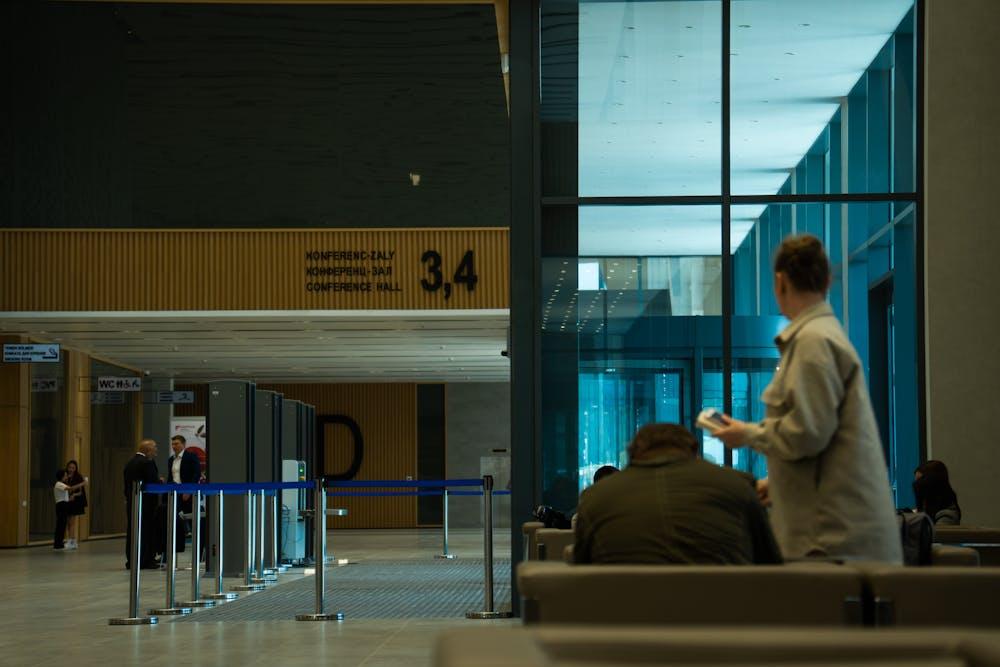
Passenger screening represents the most visible aspect of airport security, with TSA officers screening approximately 2.5 million passengers daily. Magnetometers, advanced imaging technology, and physical pat-downs detect weapons and explosives concealed on travelers. Security patrol services supplement checkpoint screening by monitoring passenger behavior, identifying suspicious activities in terminals, and responding to security incidents throughout airport facilities.
Baggage screening systems inspect checked luggage and carry-on items for explosives, weapons, and prohibited materials. Computed tomography scanners, explosive detection systems, and physical searches create multiple layers of protection. Security personnel monitor screening equipment, resolve alarms, and conduct secondary inspections when automated systems identify potential threats.
Airport Security Layers
| Security Layer | Function | Personnel |
| Perimeter | Prevent unauthorized airside access | Law enforcement, security patrols |
| Terminal | Passenger screening and monitoring | TSA, contract security |
| Sterile Area | Post-screening zone protection | Security officers, law enforcement |
| Airside | Aircraft and operations protection | Badged personnel, security patrols |
| Cargo | Freight and mail screening | Certified cargo screeners |
Airport perimeter security prevents unauthorized access to airside areas where aircraft operate. Fencing, intrusion detection systems, and security patrols protect against individuals attempting to bypass passenger screening by entering restricted zones. Vehicle access points require credential verification and inspection to prevent car bomb attacks against terminal buildings.
Employee screening and vetting ensure that workers with airside access do not pose security threats. Background checks, security training, and random screening of airport employees prevent insider threats. Security personnel monitor employee entry points, verify credentials, and conduct random inspections to maintain airside integrity.
Public Transit and Surface Transportation Security
Public transit systems face security challenges distinct from aviation, characterized by open networks, numerous access points, and high passenger volumes that make comprehensive screening impractical. Buses, trains, and subways require security approaches that emphasize surveillance, rapid response, and threat deterrence rather than systematic passenger inspection.
Mass transit security relies heavily on visible security presence to deter criminal activity and terrorism. Security patrol services in transit systems conduct roving patrols through stations, trains, and buses, providing visible deterrence and rapid response capability. These patrols cover extensive networks that cannot be monitored effectively from fixed positions.
Video surveillance systems monitor transit stations, platforms, vehicles, and facilities for suspicious activities, unattended items, and criminal behavior. Modern systems integrate artificial intelligence to detect anomalies automatically, alerting security personnel to potential threats. However, human judgment remains essential for assessing threats and determining appropriate responses.
Transit Security Strategies
Visible Security
- Roving patrols
- Uniformed officers
- K-9 units
- Security signage
Technology Systems
- Video surveillance
- Emergency call boxes
- Public address systems
- Intrusion detection
Emergency communication systems enable passengers and employees to report security concerns quickly. Call boxes, mobile applications, and intercom systems connect transit users with security operations centers. Rapid communication enables quick response to medical emergencies, criminal activity, or security threats before situations escalate.
Random security measures, including bag inspections and explosive screening, create unpredictable security layers that complicate terrorist planning. While systematic screening of all passengers is impractical in open transit systems, random checks provide deterrence and detection capabilities. Security personnel conducting these checks require training in constitutional requirements, search techniques, and customer service.
Transit Security Best Practices
Layered Protection
- Multiple security zones
- Diverse detection methods
- Redundant systems
- Coordinated response
Intelligence Integration
- Threat information sharing
- Behavioral indicators
- Suspicious activity reporting
- Joint operations centers
Public Awareness
- See Something Say Something
- Security messaging
- Employee training
- Passenger education
Emergency Preparedness
- Evacuation procedures
- Incident command systems
- Multi-agency coordination
- Regular drills and exercises
Security Patrol Services for Transportation Facilities
Professional security patrol services provide the mobile coverage essential for transportation facility protection. Unlike fixed security posts, patrol officers can respond to incidents anywhere within extensive transportation networks, monitor changing conditions, and provide visible deterrence across entire facilities.
Airport patrols cover terminal buildings, parking structures, roadways, cargo areas, and perimeter zones that cannot be effectively monitored from fixed positions. Officers check that doors are secured, identify suspicious vehicles or individuals, and respond to security system alarms. Patrol patterns vary to prevent predictability while ensuring comprehensive coverage of critical areas.
Transit system patrols move through stations, platforms, trains, and buses, providing security presence throughout extensive networks. These roving patrols deter criminal activity, assist passengers, and respond to emergencies across large geographic areas. Officers develop familiarity with system layouts, enabling rapid response to incidents at any location.
Transportation Security Patrol Functions
Mobile patrols cover extensive transportation networks including multiple stations, terminals, and vehicles that fixed posts cannot monitor
Officers provide directions, help with baggage, assist disabled travelers, and serve as visible points of contact for security concerns
Immediate deployment to security incidents, medical emergencies, or operational disruptions anywhere within the transportation system
Parking facility security is particularly important at transportation hubs where travelers leave vehicles for extended periods. Patrols monitor for theft, vandalism, and suspicious activities in parking structures and lots. Officers assist travelers with vehicle issues, provide escorts upon request, and coordinate with law enforcement when criminal activity occurs.
After-hours security ensures that transportation facilities remain protected during overnight hours when passenger volumes decrease but facilities remain operational. Patrol services check that buildings are secured, respond to alarm activations, and provide security for maintenance and cleaning operations. This continuous coverage prevents security gaps that could be exploited during low-activity periods.
Critical Transportation Security Statistics:
- TSA screens approximately 2.5 million passengers daily at U.S. airports
- Transit systems carry over 10 billion passengers annually in the United States
- Transportation Security Administration employs over 50,000 security officers
- Airport security breaches result in average fines of $10,000 per incident
Threat Assessment and Intelligence Integration
Transportation security relies on continuous threat assessment and intelligence sharing to identify and mitigate emerging risks. The dynamic nature of terrorist threats requires security programs that adapt quickly to new intelligence and changing conditions.
The Transportation Security Administration coordinates with intelligence agencies, law enforcement, and international partners to identify threats to aviation and surface transportation. Security advisories inform transportation operators about specific threats, recommended protective measures, and indicators of terrorist planning. Security patrol services receive and act on this intelligence, increasing vigilance during elevated threat periods and implementing additional protective measures when warranted.
Behavioral recognition programs train security personnel to identify individuals who may pose threats based on behavioral indicators rather than demographic profiling. Officers learn to recognize signs of nervous behavior, surveillance activities, or preparation for attacks. This approach focuses on behavior rather than appearance, improving both effectiveness and civil liberties protection.
– James Chen, CPP, TAP, PrimeGuards Transportation Security Director
Suspicious activity reporting systems enable employees and travelers to share security concerns with authorities. See Something Say Something campaigns encourage reporting of unattended bags, suspicious behavior, or other potential threats. Security personnel investigate these reports, determining whether concerns represent actual threats or benign situations.
Information sharing between transportation operators, law enforcement, and security providers enhances overall security posture. Joint operations centers, shared communication systems, and coordinated response protocols ensure that all stakeholders can respond effectively to security incidents. This integration is essential during major events, elevated threat periods, or actual attacks.
Emergency Response and Crisis Management
Transportation facilities must maintain robust emergency response capabilities that address diverse threats including terrorism, natural disasters, medical emergencies, and operational disruptions. Security personnel serve as first responders and coordination points during these critical incidents.
Evacuation procedures for transportation facilities must account for large numbers of people in complex environments. Security personnel direct evacuations, assist disabled individuals, prevent panic, and coordinate with first responders. Regular drills and exercises ensure that security teams can execute these procedures effectively under stress.
Active threat response has become essential following attacks on transportation systems worldwide. Security officers receive training in active shooter response, explosive threat management, and coordination with tactical law enforcement units. Their actions during the critical first minutes of attacks can save lives and prevent greater casualties.
Frequently Asked Questions
Transportation Security FAQs
How does transit security differ from airport security?
Transit security relies on visible patrol presence, surveillance systems, and rapid response rather than systematic passenger screening used in aviation. Open transit networks with numerous access points make comprehensive screening impractical. Security patrol services provide the mobile coverage essential for protecting extensive transit networks.
What training do transportation security officers receive?
Transportation security officers complete specialized training in passenger screening, baggage inspection, threat recognition, emergency response, and customer service. Airport officers typically undergo TSA certification, while transit officers receive training in crowd management, de-escalation techniques, and system-specific procedures.
How do security measures balance safety with passenger convenience?
Transportation security employs risk-based approaches that apply appropriate security measures based on threat levels and vulnerability assessments. Technology such as automated screening lanes, risk-based passenger screening, and advanced detection systems improve efficiency while maintaining security effectiveness.
What role does technology play in modern transportation security?
Technology supports transportation security through video surveillance, automated screening equipment, access control systems, and communication networks. However, technology complements rather than replaces human security personnel who provide judgment, customer service, and rapid response capabilities.
How are security threats communicated to transportation operators?
The Transportation Security Administration issues security advisories, threat assessments, and guidance to transportation operators through secure communication channels. Joint operations centers facilitate real-time information sharing during elevated threat periods or actual security incidents.
Methodology and Data Sources
This transportation security analysis is based on comprehensive review of TSA regulations, transit security standards, incident data, and PrimeGuards field experience providing security services to transportation facilities nationwide.
Data Sources and Verification:
 Transportation Security Administration operational data and regulations
- Federal Transit Administration security guidance
- American Public Transportation Association security standards
- Aviation security incident reporting systems
- PrimeGuards transportation security incident database (2020-2025)
- International aviation security standards and best practices