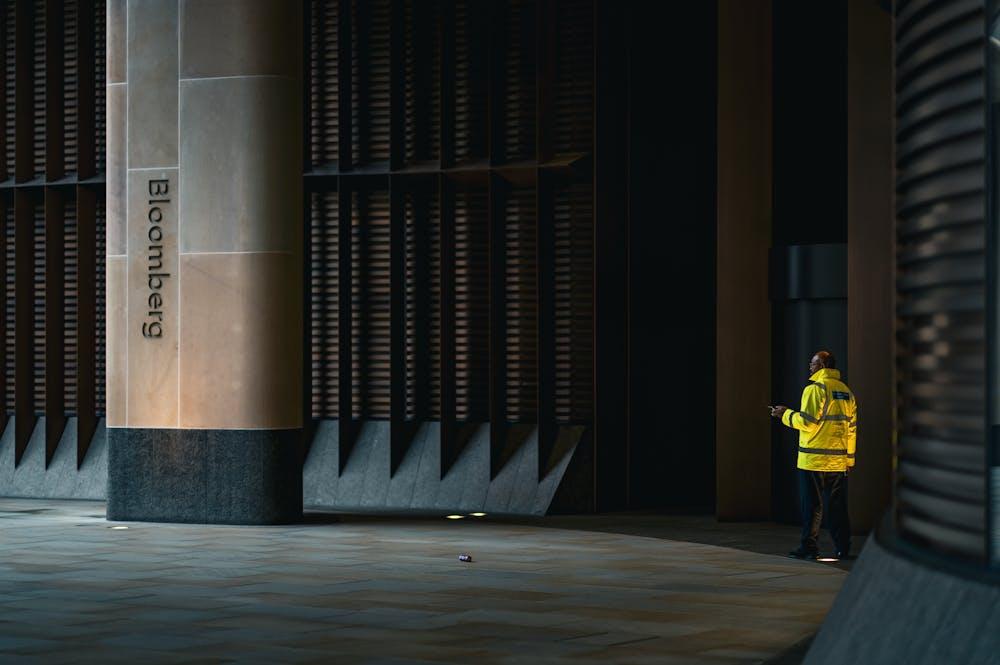
Fire Watch Security: Common Issues to Overcome in the Field
Fire Watch Program Manager at PrimeGuards
15 years managing fire watch operations, former fire department dispatch supervisor
Fire watch guards face operational challenges that test their training, adaptability, and professional judgment daily. These challenges extend beyond simple fire monitoring to include complex coordination requirements, environmental obstacles, and human factors that impact effectiveness. Understanding these common issues helps facility managers support fire watch operations and appreciate why experienced professional services outperform ad-hoc solutions.
Communication barriers represent the most frequent operational challenge. Fire watch guards must maintain continuous contact with building management, fire departments, and other safety personnel while conducting physical patrols. Radio dead zones in basements, stairwells, and remote construction areas create dangerous gaps in emergency communication. Professional fire watch teams overcome these barriers through redundant communication systems, scheduled check-in protocols, and established escalation procedures that ensure help arrives when needed regardless of technical limitations.
Communication and Coordination Barriers
Effective fire watch operations require seamless communication between multiple stakeholders including facility managers, fire departments, alarm monitoring companies, and maintenance contractors. Miscommunication between these parties creates dangerous gaps in safety coverage that compromise fire protection.
Radio communication challenges plague fire watch operations in high-rise buildings, basements, and construction sites with steel structures that block signals. Guards must carry backup communication devices including cellular phones, satellite communicators for remote sites, and hardwired emergency phones where available. They establish scheduled check-in intervals that confirm operational status even when continuous radio contact proves impossible.
Coordination with repair contractors presents another communication hurdle. Fire watch guards monitor zones where sprinkler contractors, alarm technicians, and electricians work simultaneously. These contractors often speak different technical languages and follow separate safety protocols. Guards must understand enough about each trade to coordinate safe work practices while maintaining continuous fire watch coverage during system impairments.
 Communication Redundancy Protocols
Professional fire watch services implement multiple backup systems to ensure guards maintain contact even when primary systems fail.
| Primary System | Backup System | Emergency Protocol |
| Two-way radio | Cellular phone | Hardwired emergency phone |
| Cellular phone | Text messaging | Runner to command post |
| Digital reporting app | Paper log backup | Direct radio to fire dispatch |
| GPS tracking | Manual check-in calls | Supervisor physical check |
Environmental and Physical Challenges
Fire watch guards work in environments that challenge physical endurance and sensory awareness. Outdoor fire watch during winter months exposes guards to cold stress that impairs fine motor skills needed for operating radios and fire extinguishers. Summer heat creates dehydration risks during continuous patrols over large areas. Construction site fire watch personnel particularly face these extremes while navigating uneven terrain and partial structures.
Noise pollution affects guard effectiveness in industrial facilities, manufacturing plants, and active construction sites. Guards must identify unusual sounds indicating fire risks like electrical arcing or equipment overheating despite ambient noise levels exceeding 85 decibels. They rely on visual cues and thermal detection when auditory monitoring proves impossible, adapting inspection techniques to environmental realities.
Poor lighting conditions challenge hazard identification during night shifts or in unpowered facilities. Guards carry high-powered flashlights and use light-metering apps to verify that illumination levels meet safety standards for egress route monitoring. They adjust patrol speeds in low-light conditions to ensure thorough visual inspection despite reduced visibility.
Cold stress and heat illness prevention through scheduled warming/cooling breaks and appropriate gear
Visual inspection emphasis and vibration monitoring when auditory cues are unavailable
High-lumen flashlights, reflective gear, and reduced patrol speeds in low-visibility areas
 Critical Environmental Reality:
Fire watch guards cannot abandon their posts due to weather conditions. During Hurricane Sandy in 2012, fire watch personnel remained at high-rise buildings throughout the storm because fire protection systems were compromised by flooding. Environmental challenges require contingency planning including shelter locations, emergency evacuation procedures, and relief rotation schedules.
Documentation Burden and Compliance Complexity
Modern fire watch operations generate extensive documentation requirements that compete with physical patrol duties. Insurance carriers, fire marshals, and facility managers demand timestamped logs, GPS position verification, photographic evidence of hazards, and incident reports that create significant administrative workload.
Digital reporting systems streamline documentation but introduce technical challenges. Mobile apps drain battery life during 12-hour shifts, cellular connectivity gaps delay report transmission, and software glitches corrupt critical records. Professional fire watch services provide redundant documentation methods including backup paper logs, portable charging solutions, and technical support hotlines that resolve system issues without interrupting safety coverage.
Regulatory variations between jurisdictions complicate compliance documentation. What satisfies California fire marshals may not meet Texas requirements or Florida standards. Guards working multi-state operations must adapt documentation formats and content to local expectations while maintaining consistent core safety protocols. This regulatory complexity requires ongoing training and standardized templates that accommodate regional variations.
 Documentation Best Practices
Balancing thorough documentation with effective patrol coverage requires efficient systems and proper tools.
Hands-free logging during patrols reduces stop time and maintains coverage
Visual records supplement written logs and provide evidence of hazard correction
GPS and NFC technology verify patrol completion without manual entry
Human Factors and Vigilance Maintenance
Maintaining constant vigilance during repetitive patrol cycles challenges human cognitive limits. Fire watch guards walk the same routes every 30 minutes for shifts lasting 8-12 hours. This repetitive routine creates vigilance decrements where attention wanders and observation quality degrades over time.
Experienced guards overcome complacency through systematic variation techniques. They alternate patrol directions, vary inspection timing slightly, and consciously focus on different hazard categories during each round. Mental checklists and physical touchpoints ensure consistent coverage even when monotony threatens attention spans.
Fatigue management presents additional challenges for overnight shifts and emergency deployments. Guards working system failures that extend beyond scheduled durations must maintain alertness despite circadian rhythm disruption. Professional services implement shift rotation protocols, mandatory rest breaks, and fitness-for-duty checks that prevent fatigue-related oversight.
– Battalion Chief Robert Hayes, Retired with 31 years service
Interference from Building Occupants
Fire watch guards encounter resistance from building occupants who view patrol activities as intrusive or unnecessary. Office workers question why guards inspect electrical closets. Construction crews resent work stoppages when guards identify hot work violations. Retail customers complain about blocked aisles when guards verify egress clearance.
Guards must enforce safety requirements diplomatically while maintaining authority to stop hazardous activities. They explain fire watch purposes to curious occupants without compromising security protocols. When occupants refuse to cooperate with safety requirements, guards escalate to facility management rather than engaging in confrontations that distract from fire monitoring duties.
 Common Occupant Challenges
| Situation | Guard Response | Resolution Method |
| Refusal to clear egress | Document violation, notify management | Supervisor intervention |
| Unauthorized hot work | Stop work immediately, verify permits | Show permit requirements |
| Tampering with extinguishers | Document condition, replace if needed | Security camera review |
| Blocking fire watch view | Request relocation, explain purpose | Education and redirection |
Frequently Asked Questions
Fire Watch Operations FAQs
How do guards maintain alertness during long overnight shifts?
Professional fire watch services implement fatigue management protocols including scheduled breaks, physical movement requirements between patrols, and nutritional guidelines that sustain energy levels. Guards rotate positions every few hours when possible and use checklists that force active engagement with the environment. Some facilities allow guards to listen to low-volume radio or podcasts during low-activity periods, though many require complete auditory attention to detect fire alarms or unusual sounds.
What happens when guards encounter language barriers with construction crews?
PrimeGuards deploys multilingual supervisors for diverse construction sites and provides translation cards that explain fire watch requirements in multiple languages. Guards use universal hand signals for stop-work commands and carry laminated visual aids showing fire hazards and safety requirements. Professional fire watch teams include bilingual personnel whenever site demographics indicate language diversity among workers.
How do guards handle equipment failures during critical coverage?
Guards carry backup equipment including spare radios, extra flashlight batteries, and paper logbooks for digital system failures. When primary safety equipment like fire extinguishers or emergency phones malfunction, guards immediately notify facility management and adjust patrol patterns to compensate for the deficiency. They relocate portable extinguishers from lower-risk areas to cover critical zones until repairs complete.
Can guards leave their post for bathroom breaks or meals?
Fire watch protocols require continuous coverage, so guards coordinate brief relief periods with supervisors or replacement guards rather than abandoning posts. For single-guard assignments, facilities must provide relief coverage or accept brief coverage gaps documented in logs. Professional services rarely assign solo guards to high-risk situations specifically to avoid these coverage dilemmas. Meal breaks occur during low-activity periods while maintaining radio contact and immediate response capability.
Methodology and Data Sources
Fire watch operational challenges are documented through incident reports, operational after-action reviews, and field assessments conducted across diverse facility types. PrimeGuards maintains operational databases tracking common issues and effective mitigation strategies from thousands of deployment hours.
Data Sources and Verification:
-
 NFPA 601: Standard for Security Services in Fire Loss Prevention
- PrimeGuards internal after-action reports (2020-2024)
- Fire marshal inspection feedback and violation data
- OSHA facility safety inspection reports
- Industry interviews with fire watch supervisors