24/7 Roving Patrol
Property damage rarely announces its arrival. PrimeGuards keeps uncertainty on the move with continuous roving patrols that circle your site every sixty minutes, 365 days a year. Our marked vehicles carry GPS-verified time stamps, ensuring each sweep of your parking areas, loading docks, and dark corners is recorded and reported.
Guards vary routes to eliminate predictability, use high-lumen lighting to expose suspicious activity, and communicate directly with our operations center through encrypted radio channels. This visible rotation acts as a powerful deterrent; trespassers see presence, employees see protection, and insurers see reduced risk.
One distribution client cut external theft by forty percent within ninety days of implementation; a retail plaza reported zero break-ins during the last holiday season. Real-time digital logs are accessible through our client portal, giving facility managers immediate confirmation that patrols are complete and any anomalies are noted.
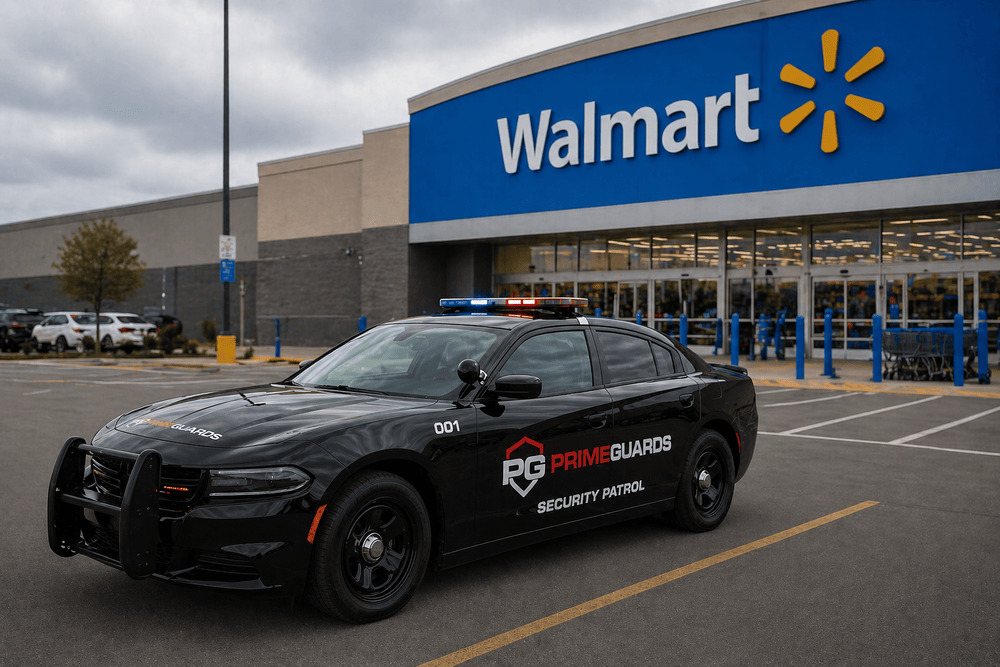
Perimeter Vehicle Checks
A compromised perimeter invites loss. PrimeGuards perimeter vehicle checks create a moving barrier around your site, using marked cruisers equipped with dash cameras, thermal imaging, and license-plate recognition software. Officers follow a pre-mapped grid that covers fence lines, gate hinges, exterior lighting, and secluded storage areas.
Any breach (cut fencing, broken bulbs, propped doors) is photographed, GPS-tagged, and transmitted to your security inbox within minutes. Randomized timing prevents criminals from learning patterns, while high-visibility decals signal active monitoring to passing traffic.
For one manufacturing campus, our nightly perimeter program reduced copper theft from weekly incidents to zero over a six-month period. Guards also inspect HVAC yards and dumpster corrals, spotting safety hazards like leaking fuel or illegal dumping before they escalate into fines or fires.
After-Hours Lock-Up Patrol
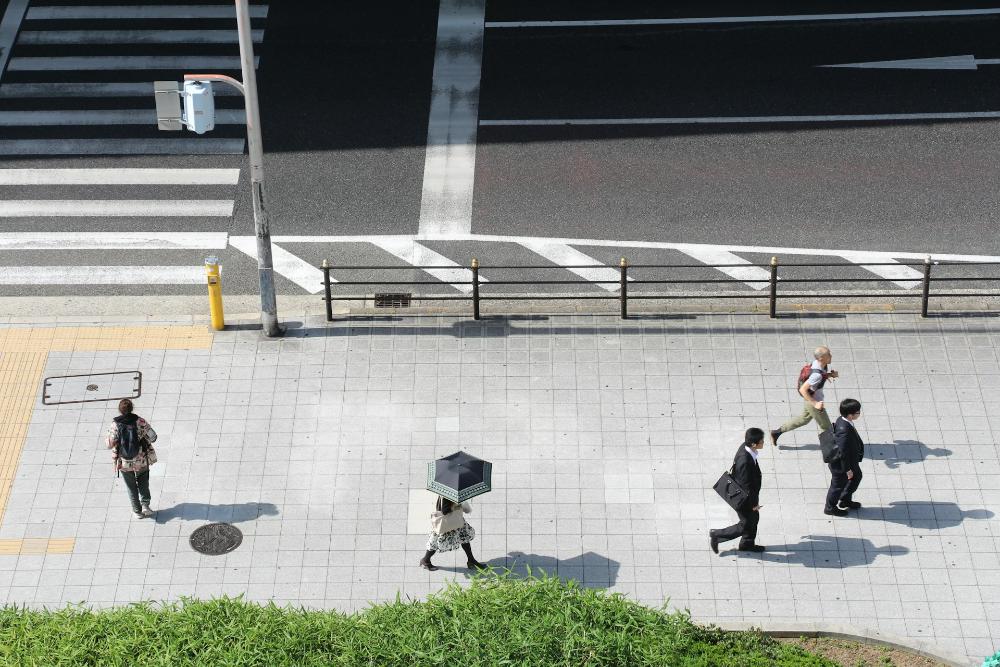
When the last employee leaves, uncertainty clocks in. PrimeGuards After-Hours Lock-Up Patrol ensures every window, door, and rooftop access is physically tested and photographed before your alarm is set.
Our officers carry a digital key-log that records each lock serial number, deadbolt turn, and any defect discovered (warped frame, missing strike plate) so maintenance can act before the next opening. Randomized arrival times prevent insiders from predicting coverage, while GPS-verified scans provide timestamped proof for insurance underwriters.
One regional office reduced false-alarm fines by seventy percent after our nightly confirmations caught unsecured loading-dock doors that previously triggered motion sensors. In addition to hardware checks, guards scan interior lighting, verify safe storage of hazardous materials, and confirm that IT server rooms remain climate-controlled.

Alarm Response Patrol
An alarm siren is only half a solution; speed finishes the job. PrimeGuards Alarm Response Patrol stations mobile units within a five-mile radius of your property, ready to roll the moment your system signals trouble.
Our average on-scene time is under eight minutes, faster than most municipal agencies, and every officer is trained to distinguish false alerts from genuine threats. Upon arrival, guards conduct a full exterior sweep, secure breached entry points, photograph evidence, and relay a concise incident report to you and local authorities.
If water, smoke, or broken glass is detected, we coordinate with fire services and initiate building shut-down procedures to limit loss. One client avoided a six-figure inventory loss when our patrol arrived in six minutes, interrupted an active break-in, and held the suspect until police arrived.
Real-time GPS tracking lets you monitor our response progress on your phone, while cloud-stored body-cam footage provides timestamped evidence for claims or prosecution. Add PrimeGuards Alarm Response Patrol and convert loud warnings into swift, documented resolutions that protect assets, reduce downtime, and satisfy insurer requirements.

Professional Security Patrol Services: The Complete Guide
YMYL Safety Compliance: This security patrol guide addresses property protection, perimeter security, and after-hours safety standards. All information reflects 2026 state licensing requirements, insurance industry benchmarks, and professional security association guidelines.
Expert Review Panel: This guide was authored by PrimeGuards’ Director of Operations and reviewed by licensed security supervisors, property management consultants, and liability insurance specialists with combined 35+ years in mobile security and patrol operations.
Last reviewed: April 2026 | Next scheduled review: December 2026
Why Patrol Beats Static Posts
A security guard standing in one place is predictable. Criminals watch long enough to learn his schedule, his blind spots, and the moments when he is distracted. A mobile patrol is not predictable. The guard might round the corner in five minutes or fifty. That uncertainty is what makes patrol effective. Criminals avoid environments where they cannot predict security coverage.
The economics of patrol coverage also favor mobile security for large properties. A 50-acre industrial park cannot be watched effectively from a single gatehouse. A construction site with equipment scattered across multiple zones needs eyes on every corner. An apartment complex with multiple buildings, parking structures, and amenity areas requires coverage that moves. One patrol vehicle or foot officer covering randomized routes can provide deterrence across an entire property that would require five or more static posts to achieve equivalent visibility.
Patrol is not always the right answer. High-value cash operations, controlled substance facilities, and critical infrastructure sites often need armed static posts where immediate response capability is essential. But for most commercial, residential, and industrial properties, mobile patrol provides the right balance of coverage, deterrence, and cost. The question is not whether patrol is better than static posts in every situation. The question is whether patrol is the right tool for your specific property and risk profile.
Types of Security Patrol Services
Vehicle Patrol
Vehicle patrol uses marked security cruisers to cover large geographic areas efficiently. Guards conduct randomized inspections of client properties, checking for security breaches, unauthorized vehicles, and safety hazards while maintaining the capability to respond rapidly to incidents across the patrol zone. The marked vehicle itself provides deterrence. A criminal watching from the shadows sees the security logo, the flashing light, and the uniformed officer inside. That visual signal is often enough to send them looking for an easier target.
Modern vehicle patrol relies on technology as much as visibility. GPS tracking verifies that patrols follow assigned routes and maintain scheduled intervals. Dash cameras document encounters and provide evidence protection. Electronic checkpoint systems using NFC tags or QR codes verify that guards have physically visited every required location. Clients receive real-time logs showing patrol timestamps, route compliance, and any anomalies encountered during security tours.
Foot Patrol
Foot patrols work in environments where vehicles cannot access or where close observation is necessary. Office building interiors, parking garages, pedestrian shopping districts, and residential courtyards all require guards who walk the property systematically, checking doors, testing lights, and maintaining awareness of the human environment that a passing vehicle would miss. A foot patrol officer in a parking garage hears the argument before it escalates, sees the person hiding between cars, and notices the door that did not latch properly.
Bicycle Patrol
Bicycle patrols bridge the gap between vehicle and foot coverage. They move faster than walking guards and access areas that cars cannot reach. Parks, university campuses, large residential communities, and outdoor retail centers use bicycle patrols to cover expansive areas while maintaining the approachability and observation quality of foot patrols. Bicycle officers can respond to incidents across a campus in minutes while still being accessible to students, residents, or shoppers who need assistance.
After-Hours and Overnight Patrol
After-hours patrol addresses the time period when most properties face their highest risk. Construction sites, industrial facilities, and commercial properties are vulnerable to theft, vandalism, and unauthorized entry during overnight hours when supervision is minimal. After-hours patrols conduct lock-up verification, perimeter checks, alarm response, and contractor supervision for legitimate after-hours work. The patrol officer becomes the eyes and ears of the property owner during the hours when the owner is not present.
| Patrol Type | Coverage Speed | Best For | Cost Factor |
|---|---|---|---|
| Vehicle Patrol | High | Large properties, industrial parks, multiple locations | 1.2x – 1.5x base |
| Foot Patrol | Low | Parking garages, building interiors, pedestrian areas | Base rate |
| Bicycle Patrol | Moderate | Campuses, parks, residential communities, outdoor retail | 1.1x – 1.3x base |
| After-Hours / Overnight | Variable | Construction sites, industrial facilities, commercial properties | 1.3x – 1.8x base |
Patrol Technology and Verification
GPS Tracking and Electronic Checkpoints
Modern patrol operations rely on technology to verify coverage and accountability. GPS tracking systems monitor patrol vehicle locations in real time, allowing supervisors to confirm that routes are followed and intervals are maintained. Electronic checkpoint systems using NFC tags, QR codes, or RFID readers require guards to physically visit specific locations during their patrol, creating an audit trail that proves coverage occurred. These systems prevent the common problem of guards who claim to have patrolled a property but never left their vehicle.
Clients receive access to patrol data through secure portals that display route maps, timestamped checkpoint visits, and incident reports. This transparency allows property managers to verify that their security investment is producing actual coverage rather than paper reports. When a break-in occurs at 2 a.m., the client can check the portal to confirm whether a patrol passed through the area at 1:45 a.m. and whether the officer documented anything unusual.
Dash Cameras, Body Cameras, and Photo Documentation
Dash cameras in patrol vehicles and body cameras on foot officers document encounters, provide evidence for incident investigations, and protect guards against false accusations. Photo documentation of hazards, damage, or suspicious vehicles creates visual records that support insurance claims and police reports. When a guard reports a broken window at a construction site, the accompanying photograph proves the condition existed and documents the time of discovery.
PrimeGuards Patrol Technology Stack:
- GPS Tracking: Real-time vehicle location monitoring with route compliance verification
- Electronic Checkpoints: NFC and QR code systems requiring physical presence at patrol points
- Dash Cameras: Continuous video documentation of patrol routes and encounters
- Body Cameras: Officer-worn recording for foot patrols and incident documentation
- Photo Reporting: Timestamped images of hazards, damage, and anomalies delivered to client portal
- Real-Time Alerts: Immediate notification of incidents, breaches, or emergency situations
Industries and Property Types
| Property Type | Primary Threats | Patrol Model | Why Patrol Works |
|---|---|---|---|
| Commercial / Industrial | Theft, vandalism, unauthorized access | Vehicle patrol, perimeter checks, after-hours rounds | Large areas require mobile coverage that static posts cannot provide |
| Residential / HOA | Burglary, vehicle theft, rule violations | Vehicle or bicycle patrol, amenity checks, parking enforcement | Randomized patrols deter criminals who scout for patterns |
| Construction Sites | Equipment theft, copper stripping, trespassing | Overnight vehicle patrol, equipment yard checks | Unpredictable timing prevents organized theft operations |
| Retail / Malls | Shoplifting, parking lot crime, after-hours break-ins | Parking lot patrols, interior foot patrols, closing checks | Visible patrol presence increases customer safety perception |
| Schools / Campuses | Unauthorized entry, parking violations, after-hours activity | Bicycle or foot patrol, parking enforcement, building checks | Mobile officers maintain community relationships while providing coverage |
| Events / Venues | Crowd control, parking management, perimeter breaches | Vehicle and foot patrol, perimeter monitoring, lot checks | Rapid response across large event spaces requires mobility |
Cost and Pricing Structure
Mobile patrol pricing depends on coverage frequency, property size, and patrol type. A single vehicle patrol checking a property twice nightly costs significantly less than continuous foot patrol coverage. Most patrol services are priced per patrol visit or per hour of vehicle coverage, with rates ranging from $35 to $65 per hour depending on market, shift timing, and technology requirements.
The return on investment for patrol services is measurable. One construction client reduced equipment theft by 80% after implementing randomized overnight patrols. A retail center experienced a 40% decrease in parking lot vehicle break-ins within 60 days of starting patrol coverage. An apartment complex recovered the full annual cost of patrol services through reduced insurance premiums and eliminated vandalism repair expenses. Patrol is not an expense when it prevents losses that exceed its cost.
Patrol ROI Data
Industry analysis indicates that properties with randomized mobile patrol programs experience 50% to 70% reductions in theft and vandalism compared to properties with no security coverage. Construction sites with overnight patrol report 75% to 85% reductions in heavy equipment theft. Retail properties with parking lot patrol see 35% to 45% decreases in vehicle break-ins. The average payback period for patrol investment is 4 to 6 months when measured against prevented losses and insurance premium reductions.
“The effectiveness of a patrol program is determined by unpredictability, not frequency. A guard who checks a property at exactly 10 p.m. and 2 a.m. every night provides only two minutes of deterrence. A guard who checks at irregular intervals, varies routes, and appears when least expected provides continuous deterrence. Criminals avoid properties where they cannot identify coverage gaps.”
— Mobile Security Operations Standards, ASIS International
PrimeGuards Patrol Standards
Randomized Patrol Patterns
PrimeGuards designs patrol routes that vary by time, sequence, and coverage focus. Guards do not follow predictable schedules that criminals can learn and exploit. Supervisors generate daily route variations that keep patrol timing unpredictable while ensuring that all critical areas receive adequate coverage. This randomization is the single most important factor in patrol effectiveness.
Technology-Verified Accountability
Every PrimeGuards patrol is verified through GPS tracking, electronic checkpoints, and photo documentation. Clients receive real-time portal access showing where patrols occurred, when checkpoints were scanned, and what incidents were documented. This transparency eliminates the uncertainty that plagues traditional patrol services where clients pay for coverage and hope it is happening.
PrimeGuards Patrol Security Standards:
- Randomized Routes: Daily variation in patrol timing, sequence, and coverage focus
- GPS Verification: Real-time tracking and route compliance monitoring for all patrol vehicles
- Electronic Checkpoints: NFC and QR code systems requiring physical presence at patrol points
- Photo Documentation: Timestamped images of hazards, damage, and anomalies
- 24/7 Supervision: Operations center monitoring patrol activity and incident response
- Client Portal Access: Real-time patrol logs, incident reports, and performance metrics
PrimeGuards Vetting Standards:
 Background Investigation — FBI fingerprint check, state criminal history, and employment verification
Driver Record Review — Clean driving history for all vehicle patrol personnel
Drug Screening — Pre-employment and random testing protocols
Technology Training — GPS systems, checkpoint devices, and digital reporting platforms
Ongoing Supervision — Field inspections, route audits, and performance metric reviews
Frequently Asked Questions
How much does mobile patrol security cost?
Mobile patrol services typically range from $35 to $65 per hour depending on geographic market, patrol type, and technology requirements. Vehicle patrol for large commercial properties falls on the lower end, while foot patrol in parking garages or bicycle patrol on campuses commands higher rates due to the physical demands. Overnight shifts carry premiums of 25% to 50% above daytime rates. Per-visit pricing is also available for properties that need patrol checks rather than continuous coverage. PrimeGuards provides itemized proposals that break down patrol frequency, route complexity, and technology costs.
How often should a property be patrolled?
Patrol frequency depends on risk level, property size, and budget. High-risk properties including construction sites and industrial facilities with valuable equipment typically need patrols every 1 to 2 hours during overnight periods. Commercial office buildings and residential communities often suffice with 2 to 4 patrol checks per night. Retail centers with parking lot crime issues may need continuous patrol presence during evening hours. PrimeGuards conducts site assessments that evaluate crime data, property layout, and asset value to recommend patrol frequencies that match actual risk rather than selling unnecessary coverage.
How do I know the patrols are actually happening?
PrimeGuards provides technology-verified patrol accountability through GPS tracking, electronic checkpoint scans, and photo documentation. Every patrol route is mapped in real time, every checkpoint requires physical presence to register, and every incident or anomaly is photographed with timestamps. Clients access this data through a secure portal that shows exactly when patrols occurred, what routes were followed, and what was documented. This eliminates the uncertainty that comes with traditional patrol services where clients simply trust that guards are doing their jobs.
Can patrol officers make arrests or detain trespassers?
Unarmed patrol officers may use reasonable physical force to protect themselves or others, or to detain individuals who have committed crimes in their presence, within the limits of state citizen’s arrest statutes. However, patrol officers are primarily trained to observe, document, and contact law enforcement rather than to engage in physical confrontation. Armed patrol officers have broader authority but still operate under the same legal constraints as other armed security personnel. PrimeGuards trains all patrol officers to prioritize safety, create distance from threats, and call 911 promptly rather than attempting heroic intervention.
What happens if a patrol officer discovers a break-in or fire?
PrimeGuards patrol officers are trained to assess the situation, ensure their own safety, and contact emergency services immediately. They do not enter buildings where intruders may be present unless life safety is at immediate risk. Officers secure the perimeter, document conditions with photographs, and coordinate with arriving police or fire personnel. They provide detailed reports to the client and insurance carrier that include timestamps, observations, and any actions taken. The officer’s first responsibility is to call for professional emergency response, not to attempt resolution alone.
How quickly can PrimeGuards deploy patrol coverage?
Standard patrol deployments typically require 48 to 72 hours from contract signing to first patrol. This allows time for route planning, checkpoint installation, technology setup, and guard orientation. Emergency deployments for urgent situations can sometimes be arranged within 24 hours. Technology integration including GPS tracking, checkpoint systems, and client portal access may require additional lead time depending on system complexity. PrimeGuards maintains trained patrol personnel and equipped vehicles across multiple states to ensure rapid deployment capability.
Professional Security Patrol Services
Protect your property, your assets, and your peace of mind with PrimeGuards’ technology-verified, randomized, and professionally managed mobile patrol security services. Customized coverage for every property type and risk level.
Request Your Free Patrol Assessment
GPS-tracked patrols | Electronic checkpoint verification | Real-time client portal | Multi-state coverage
Disclaimer: This guide provides general information regarding security patrol services, mobile security operations, and property protection standards based on common industry practices as of 2026. Specific state and local requirements vary by jurisdiction and may change as regulations are updated. Security patrol decisions involve liability, insurance, and operational considerations that require consultation with qualified legal counsel and professional security consultants. This content does not constitute legal advice or professional security recommendations specific to your situation. Always consult your state’s licensing authority and your insurance provider before contracting security patrol services.
Nationwide Security Patrol Coverage
PrimeGuards provides professional mobile patrol security guard services across the United States. Our certified mobile patrol security guards are available for immediate deployment in all major metropolitan areas including:
West Coast: Los Angeles, San Diego, San Francisco, San Jose, Phoenix, Las Vegas, Seattle, Portland, Sacramento, Oakland
Texas & Southwest: Houston, Dallas, Fort Worth, Austin, San Antonio, El Paso, Albuquerque, Tucson
Midwest: Chicago, Aurora, Naperville, Indianapolis, Detroit, Columbus, Cleveland, Cincinnati, Milwaukee, Madison
Southeast: Atlanta, Miami, Jacksonville, Tampa, Orlando, Charlotte, Raleigh, Charleston, Columbia, Savannah
Northeast: New York City, Buffalo, Newark, Jersey City, Philadelphia, Pittsburgh, Boston, Worcester, Baltimore, Washington DC
Don’t see your city? We cover all 50 states. View complete service area list or contact us for immediate coverage.

Armed & Unarmed Security
We deliver personalized security services designed to fit your specific requirements.
Certified Security Guards
Our certified security guards are extensively trained to tackle any security post.
Fully Licensed Security Officers
Our licensed and insured security guards are managed by law enforcement officers.
Personalized Security Services
We provide security services that are uniquely tailored to your business. Contact us.
FAQ’s
Request more information now
Support Email
info@primeguards.com
talk to our agent
Live Chat Now
Request more information now
Support Email
info@primeguards.com
talk to our agent
Live Chat Now