Shopping Center Security Strategies
19 years in retail property security, Certified Protection Professional, former security director for regional mall portfolios and lifestyle centers
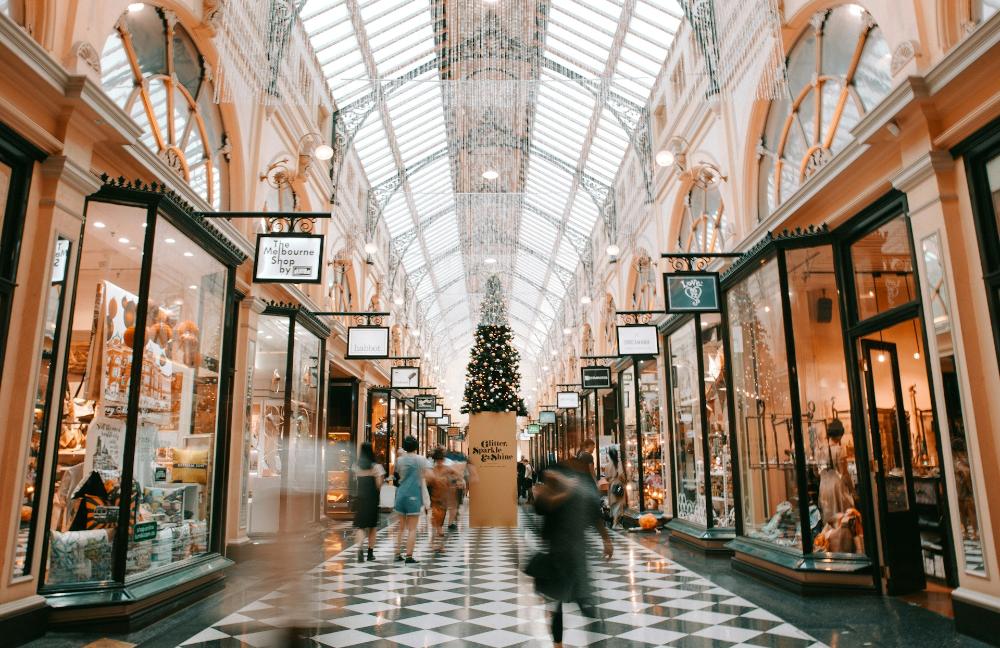
Shopping centers are controlled chaos. On a busy Saturday, you’ve got thousands of people circulating through common areas, teenagers loitering in food courts, parents distracted by screaming kids, and criminals working the crowd knowing that security can’t watch everyone at once. The parking lot is where your car gets broken into, the bathroom is where the drug deals happen, and the jewelry store is getting cased by professionals who know exactly how long it takes police to respond. Unlike a single big-box store where one security team controls the entire environment, shopping centers must coordinate multiple tenant businesses with different security standards while maintaining the welcoming atmosphere that drives foot traffic. Professional licensed security guards provide the specialized crowd management and loss prevention expertise that shopping centers require, ensuring visitor safety while supporting the retail sales environment that keeps tenants renewing leases.
The shopping center security landscape has deteriorated as organized retail crime has escalated and traditional mall anchors have struggled financially. Smash-and-grab crews now target high-end retailers in broad daylight, knowing that mall security is often unarmed and instructed not to physically intervene. Parking lot thefts have increased as criminals recognize that shoppers leave valuables in vehicles while they browse for hours. Violence in common areas has risen, creating liability exposure for property owners when fights break out near food courts or movie theaters. These challenges require security programs that balance visible deterrence with the discretionary enforcement necessary for family-friendly retail environments.
Shopping centers present security challenges fundamentally different from standalone retail or office properties. Multiple entry points from parking lots bypass any centralized access control. Common areas are legally considered public spaces in many jurisdictions, limiting the ability to remove loiterers. Anchor tenants often operate their own security while inline stores rely on mall management, creating fragmented coverage. PrimeGuards shopping center specialists understand these retail property realities and deliver protection strategies that secure the entire center while accommodating the diverse needs of individual tenants.
Parking Lot and Exterior Security
Parking areas generate the majority of shopping center security incidents, from vehicle break-ins to robberies to assaults, yet they often receive minimal security investment compared to interior common areas.
Vehicle break-in prevention requires security patrols that actively look for thieves working the lot rather than simply driving through. Officers check for suspicious vehicles circling slowly, individuals looking into car windows, and the shattered glass that indicates active break-ins. Veteran security professionals bring the situational awareness necessary for detecting criminal activity in crowded parking environments where innocent shoppers and active thieves mix together.
Escort services provide safe accompaniment for shoppers and employees walking to their vehicles during evening hours or in remote parking sections. Security personnel position themselves at lot entrances during closing times to ensure that stragglers reach their cars safely. These services are particularly important during holiday shopping seasons when centers remain open late and parking areas are filled with high-value purchases visible through car windows.
Lighting and environmental design play crucial roles in parking security. Security assessments identify dark corners where assaults might occur, overgrown landscaping that provides hiding spots, and blind spots in camera coverage. Officers report maintenance issues immediately because a broken light fixture creates vulnerability faster than most property managers realize.
Shopping Center Security Zone Priority Matrix
| Zone | Primary Risks | Security Strategy |
| Parking Structures | Vehicle theft, assaults, robberies, vandalism | Mobile patrols, escort services, lighting upgrades, camera coverage |
| Common Areas | Fights, theft, loitering, drug activity, disorderly conduct | Visible officer presence, CCTV monitoring, youth curfew enforcement |
| Anchor Tenants | Organized retail crime, employee theft, customer fraud | Coordination with store security, shared intelligence, emergency response |
| Inline Stores | Shoplifting, smash-and-grab, after-hours burglary | Roving patrols, tenant communication, perimeter checks |
| Food Courts | Fights, theft, harassment, medical emergencies | Stationed officer during peak hours, quick response capability |
Interior Common Area Management
The interior common areas of shopping centers require security approaches that blend customer service with loss prevention, maintaining family-friendly environments while deterring criminal activity.
Youth loitering management addresses the groups of teenagers who congregate in malls without shopping, creating intimidation for other patrons and opportunities for theft and fights. Security personnel enforce parental escort policies and curfews while maintaining the diplomacy necessary to avoid viral videos of confrontations with minors. The goal is redirecting behavior rather than creating incidents.
Panhandler and solicitor removal keeps common areas focused on retail activity rather than becoming venues for unauthorized fundraising or scam operations. Security must distinguish between legitimate charity collections approved by management and aggressive panhandling that drives away shoppers. Quick removal of unauthorized solicitors maintains the professional retail atmosphere tenants expect.
Medical emergency response is constant in shopping centers where large crowds include elderly shoppers, young children, and individuals with health conditions. Security personnel serve as first responders, providing CPR, AED operation, and crowd control until EMS arrives. Their knowledge of building layouts ensures that ambulances can reach patients quickly through service corridors without navigating crowded common areas.
Shopping Center Security Deployment Models
Officers stationed at high-traffic entrances, food courts, or customer service desks provide immediate presence and visitor assistance
Mobile officers walking the interior common areas deter theft, respond quickly to incidents, and maintain visibility throughout the property
Security vehicles covering parking areas and perimeter roads provide rapid response to vehicle incidents and exterior threats
High-Value Retail and Anchor Protection
Shopping centers house varying tenant types with different security needs, from high-end jewelers requiring armed protection to department stores with internal loss prevention teams.
Luxury retailer security addresses the smash-and-grab threats facing high-end watch dealers, electronics stores, and jewelry stores requiring specialized armed protection. These retailers face organized crews who case locations, plan escape routes through mall common areas, and strike when display cases are vulnerable. Security coordinates with these tenants to provide enhanced coverage during high-risk periods and rapid response capabilities if smash-and-grab incidents occur.
Anchor tenant coordination ensures that major department stores and big-box retailers maintain security communication with mall management. These stores often have their own loss prevention teams, but they rely on mall security for parking lot coverage, exterior patrols, and emergency response in common areas. Daily communication between mall security and anchor store LP ensures coordinated coverage rather than gaps between jurisdictions.
Inline store support provides security presence for smaller tenants who cannot afford dedicated loss prevention staff. Roving patrols check that store doors are secured after hours, verify that no suspicious individuals are loitering near vulnerable back hallways, and provide immediate response if shoplifting escalates into confrontation or robbery.
Special Events and Seasonal Security
Shopping centers host events that transform normal security requirements into complex crowd management challenges requiring temporary staffing and modified protocols.
Holiday shopping seasons bring massive crowds, extended hours, and increased merchandise values that attract criminals. Security staffing must increase proportionally to handle the influx, with additional officers in parking areas, gift wrapping stations, and Santa photo lines where parents are distracted. Event security expertise is essential for managing the concerts, promotions, and holiday events that draw crowds beyond normal capacity.
Grand openings and celebrity appearances create temporary security crises when thousands of unexpected visitors overwhelm normal staffing levels. Security must manage crowd flow, prevent trampling injuries, and protect VIPs while maintaining the positive promotional atmosphere the marketing team envisioned.
Overnight security addresses the fact that shopping centers contain millions in inventory when stores close. Patrols verify that all tenant doors are locked, check for water leaks or maintenance emergencies, and deter after-hours burglary attempts. For centers with bank branches or high-value tenants, enhanced overnight monitoring prevents the smash-and-grab burglaries that target specific store types during closed hours.
Critical Shopping Center Security Statistics:
- 67% of shopping center crimes occur in parking areas rather than interior common areas
- Organized retail crime losses in shopping centers increased 45% between 2023-2025
- Shopping centers with professional security experience 55% fewer vehicle break-ins than those relying solely on cameras
- The average shopping center liability claim for inadequate security exceeds $350,000
Frequently Asked Questions
Shopping Center Security FAQs
How do shopping centers prevent vehicle break-ins?
Parking lot break-in prevention combines mobile security patrols, visible camera signage, lighting improvements, and shopper education about hiding valuables. Licensed security officers actively patrol looking for thieves working the lot rather than simply driving through, providing the unpredictable presence that deters criminals.
Should mall security guards be armed?
Armed security is recommended for shopping centers containing high-value retailers, jewelry stores, or locations in high-crime areas. Veteran armed security professionals provide enhanced response capabilities for active threats while maintaining the customer service orientation necessary for retail environments.
How do security guards handle youth loitering in malls?
Youth loitering management involves enforcing parental escort policies and curfews politely but firmly, redirecting teens toward appropriate activities, and coordinating with parents when minors violate policies. The goal is maintaining a family-friendly environment without creating confrontations that escalate unnecessarily.
What security measures are needed for mall events?
Shopping center events require temporary staffing augmentation, crowd flow management, barrier placement for line control, and coordination with tenant security. Professional event security planning ensures that promotional activities don’t create safety hazards or liability exposure.
How do shopping center security coordinate with individual stores?
Security coordination involves daily briefings with anchor store LP teams, shared radio channels for immediate communication, joint response protocols for incidents affecting multiple tenants, and unified emergency procedures. This cooperation ensures that security coverage extends seamlessly from common areas into individual store spaces when necessary.
Methodology and Data Sources
This shopping center security analysis is based on comprehensive review of retail property crime statistics, mall security standards, and PrimeGuards field experience providing security services to shopping centers nationwide.
Data Sources and Verification:
 International Council of Shopping Centers security surveys
- National Retail Federation organized retail crime reports
- FBI property crime statistics for retail locations
- PrimeGuards shopping center incident database (2020-2025)
- Shopping Center Business security industry reports