
24/7 Emergency Response
When it comes to security, timing is everything. At PrimeGuards, we understand that emergencies don’t stick to a schedule. That’s why we offer 24/7 emergency response services, ensuring that our highly trained security professionals are always on standby, ready to take immediate action when you need it most.
Our commitment to your safety means that no matter when an incident occurs, day or night, weekday or weekend, our response team is just a call away. We pride ourselves on our rapid response times, which are critical in emergency situations. Our guards are equipped with the latest technology and undergo continuous training to handle a wide range of scenarios, from break-ins to natural disasters.
We know that in an emergency, every second counts. That’s why our 24/7 emergency response service is designed to provide swift and effective action. Our team is always alert, always prepared, and always ready to protect you and your property.
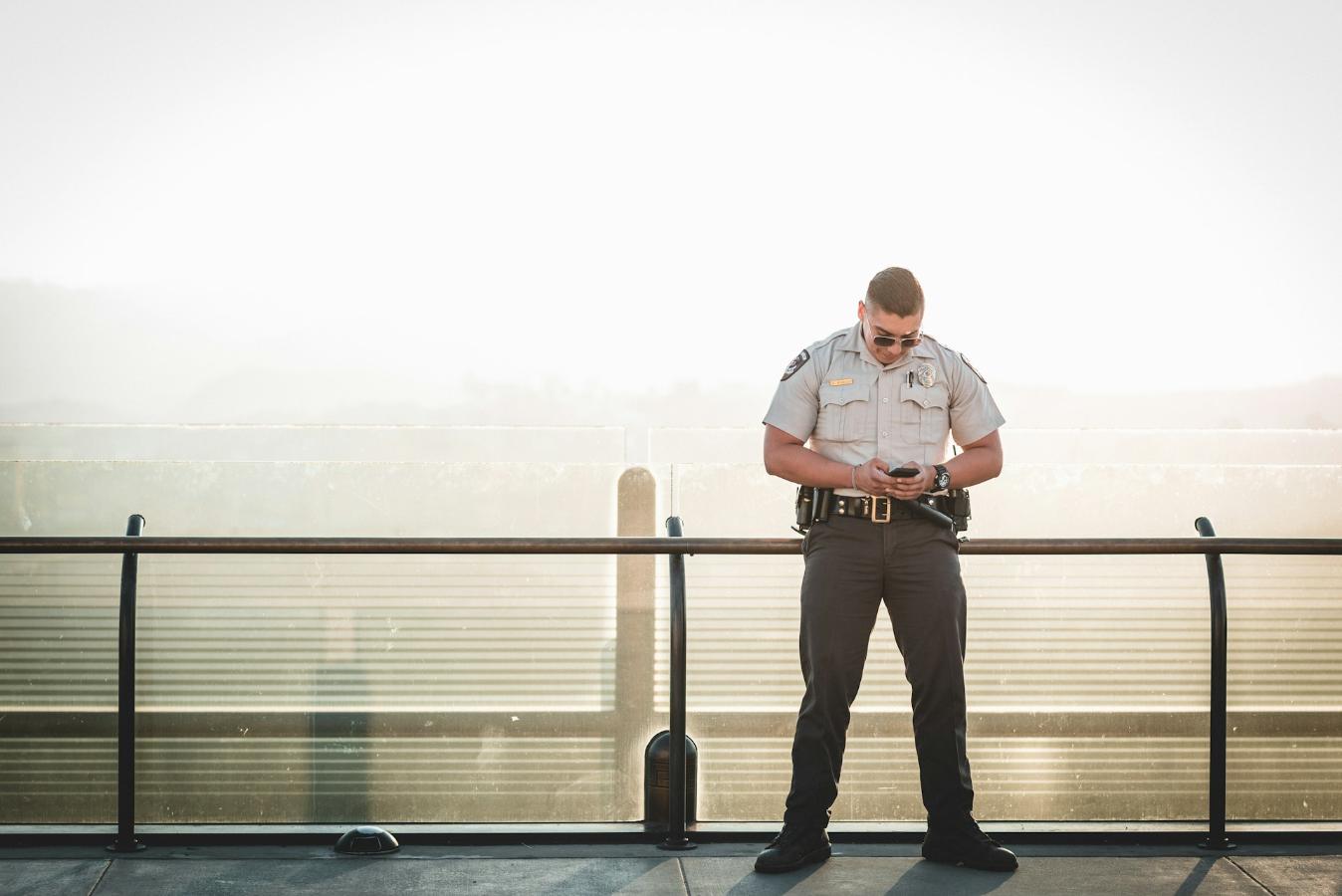
Customized Security Plans
We understand that every business and property is unique. That’s why we offer customized security plans designed to meet your specific needs. Our team of experts works closely with you to assess your security requirements and develop a tailored solution that fits your budget and operational goals.
Our customized security plans include a comprehensive analysis of your property, identifying potential risks and vulnerabilities. We then create a plan that addresses these areas with the appropriate security measures, whether it’s increasing patrols, installing surveillance systems, or enhancing access control.
You get a security plan that is not only effective but also efficient. Our goal is to provide you with peace of mind, knowing that your security is in the hands of professionals who understand your unique needs.

Strategic Security Patrols
Our proactive patrols are designed to prevent issues before they arise, ensuring that your property remains safe and secure at all times.
Our highly trained security guards conduct regular patrols, keeping a vigilant eye on your premises. They are trained to identify potential threats and take immediate action to mitigate them. This proactive approach not only deters potential intruders but also helps in maintaining a secure environment for your employees and customers.
We use the latest technology and best practices to ensure that our patrols are efficient and effective. Our guards are equipped with state-of-the-art communication devices, allowing them to stay connected and respond quickly to any situation.
Our proactive patrols keep your property safe and secure. With us, you can rest easy knowing that we are always one step ahead of potential threats.

Security Audits
A security audit will help you identify and address potential vulnerabilities. Our team of experts conducts a thorough assessment of your property, evaluating your current security measures and identifying areas for improvement.
Our security audits include a detailed analysis of your access control systems, surveillance equipment, and overall security protocols. We provide you with a comprehensive report outlining our findings and recommendations for enhancing your security.
By conducting regular security audits, you can stay ahead of potential threats and ensure that your security measures are always up to date. Our goal is to provide you with the information and tools you need to maintain a secure environment.
Choose PrimeGuards for security audits that identify vulnerabilities and provide actionable recommendations. With us, you can ensure that your security is always at its best.

Professional Security Guard Services: The Complete Guide
YMYL Safety Compliance: This security services guide has been reviewed for accuracy and compliance with current industry standards, state licensing requirements, and professional security operations protocols. Information reflects 2026 regulations and best practices.
Expert Review Panel: This article was authored by PrimeGuards’ Director of Operations, a Certified Protection Professional (CPP) with 15+ years in security management, and reviewed by licensed security professionals including former law enforcement officers and state-certified security instructors.
Last reviewed: March 2026 | Next scheduled review: June 2026
The Evolving Security Landscape for Modern Businesses
In an era where business security concerns continue to evolve at an unprecedented pace, professional security guard services have transitioned from optional amenities to essential operational requirements. Organizations across every industry sector now recognize that comprehensive physical security protection represents both a critical risk management strategy and a fundamental component of business continuity planning.
The modern security landscape demands far more than basic presence and observation capabilities. Today’s businesses face complex threats ranging from sophisticated theft operations and unauthorized access attempts to workplace violence incidents and emergency response scenarios. Professional security guards serve as the frontline defense against these threats, providing immediate response capabilities, deterrence through visible presence, and specialized expertise that technology alone cannot replicate.
Comprehensive Protection Across Industries
PrimeGuards has established itself as a leading provider of comprehensive security solutions across multiple states, serving diverse clientele from small retail operations to major industrial complexes, high-rise residential buildings, and critical infrastructure facilities. Our approach combines rigorous personnel selection, advanced training protocols, and customized security strategies designed to address each client’s unique risk profile and operational requirements.
This guide provides an in-depth exploration of security guard service categories, including armed and unarmed personnel, mobile patrol operations, event security management, concierge and front-desk security, executive protection services, and specialized industrial security. We examine the training standards, certification requirements, and continuing education protocols that distinguish professional security personnel from basic guard services.
Understanding Regulatory and Licensing Requirements
Understanding the regulatory landscape proves essential for businesses seeking security services. Licensing requirements vary significantly across jurisdictions, with each state maintaining distinct standards for training hours, background investigation depth, insurance requirements, and operational oversight. This guide includes comprehensive state-by-state information to help organizations ensure their security provider maintains full compliance with local regulations.
Simply posting a security guard without proper licensing and training does not satisfy legal requirements or provide adequate protection. Professional security services must meet specific standards established by state regulatory boards, and failure to comply can result in significant liability for both the security provider and the client organization.
Maximizing Your Security Investment
The financial implications of security services represent a significant consideration for budget-conscious organizations. We explore cost factors, pricing structures, and value optimization strategies that help businesses maximize their security investment while maintaining appropriate protection levels. From determining optimal guard-to-property ratios to evaluating technology integration options, this guide provides actionable insights for making informed security procurement decisions.
What You Will Learn in This Guide
As you review the following sections, you will gain detailed knowledge about security service types, professional qualifications, industry applications, and compliance requirements. This information empowers you to make strategic decisions about your organization’s physical security posture while understanding the full scope of capabilities that professional security guard services provide in today’s complex operational environment.
Whether you operate a small retail storefront requiring basic theft deterrence, a healthcare facility needing specialized patient interaction protocols, or a large industrial complex demanding 24/7 perimeter security, this guide delivers the comprehensive information necessary to evaluate, select, and optimize professional security guard services.
PrimeGuards remains committed to transparency in our operations, excellence in our service delivery, and continuous improvement in our training and deployment methodologies. The following sections provide complete coverage of security guard services as practiced by industry-leading professionals in 2026.
Types of Security Guard Services
Armed Security Guards
Armed security guards represent the highest level of physical security protection available for businesses facing serious threat scenarios. These professionals undergo extensive firearms training, rigorous background investigations, and specialized certification processes that exceed standard security licensing requirements. Armed guards serve as both a powerful deterrent and a critical response capability when situations escalate beyond the capacity of unarmed personnel.
The presence of armed security sends an unmistakable message to potential criminals that a facility maintains serious protective measures. High-value targets such as financial institutions, jewelry stores, pharmaceutical distribution centers, and critical infrastructure facilities regularly employ armed guards to protect assets that present irresistible targets for organized theft operations. The psychological impact of visible armed presence often prevents incidents before they materialize, as criminals typically seek softer targets with lower risk profiles.
Armed security training encompasses far more than weapons proficiency. Professional armed guards complete extensive instruction in use-of-force continuum, de-escalation techniques, legal liability considerations, and judgmental shooting scenarios. They must demonstrate proficiency in weapon retention, preventing disarmament attempts, and engaging threats while minimizing risk to innocent bystanders. Most jurisdictions require armed guards to complete 40 to 80 additional hours of firearms training beyond standard security licensing, with annual or semi-annual recertification mandatory.
Insurance and liability considerations play significant roles in armed security deployment. Clients must verify that armed guards carry appropriate professional liability coverage and that their own general liability policies specifically include armed security operations. Reputable security providers maintain comprehensive insurance portfolios including professional liability, general liability, workers compensation, and specific firearms coverage. Contractual agreements should clearly delineate liability responsibilities between the client and security provider.
Unarmed Security Guards
Unarmed security guards constitute the most widely deployed category of security personnel, serving as the visible deterrent and operational backbone of most business security programs. These professionals rely on observation skills, communication abilities, physical presence, and procedural enforcement rather than weapons to maintain safety and security. Unarmed guards excel at access control, theft prevention, policy enforcement, and creating environments where legitimate business proceeds without interference.
The versatility of unarmed security makes them suitable for virtually every commercial environment. Retail stores, office buildings, residential complexes, schools, healthcare facilities, and hospitality venues all rely extensively on unarmed security presence. These guards perform essential functions including monitoring surveillance systems, conducting foot patrols, checking credentials, enforcing company policies, and providing customer service alongside protective duties. Their approachability and non-threatening demeanor allow them to blend seamlessly into customer-facing environments while maintaining vigilant observation.
Professional unarmed guards receive comprehensive training in observation techniques, report writing, emergency procedures, and verbal de-escalation. They learn to identify suspicious behavior patterns, recognize theft methodologies, and respond appropriately to medical emergencies, fire alarms, and security breaches. While unarmed, these professionals possess physical intervention training for situations requiring immediate action, including appropriate restraint techniques that minimize injury risk while controlling hostile individuals until law enforcement arrives.
Cost considerations make unarmed guards attractive for budget-conscious organizations. Without the additional insurance, training, and equipment requirements associated with armed services, unarmed security provides robust protection at significantly lower hourly rates. Most security providers can deploy unarmed guards quickly with minimal lead time, making them ideal for temporary coverage, special events, and emergency situations requiring immediate security presence. The lower liability profile also reduces client exposure to potential litigation associated with use-of-force incidents.
Mobile Patrol Services
Mobile patrol services offer comprehensive security coverage for large properties, multiple locations, or businesses requiring periodic inspection rather than continuous stationary presence. Patrol officers use marked security vehicles to conduct randomized tours of client properties, checking for security breaches, safety hazards, and policy violations. This service model delivers extensive geographic coverage efficiently while maintaining the unpredictable timing that enhances deterrence value.
The randomization of patrol routes and timing serves a critical security function. Unlike static guards who follow predictable patterns, mobile patrols appear at varying intervals and check different areas on each tour, preventing criminals from identifying coverage gaps. Modern patrol operations utilize GPS tracking, electronic checkpoint verification, and real-time reporting systems that provide clients with detailed logs of patrol activities, timestamps, and incident documentation. This technology integration ensures accountability and provides verifiable evidence of service delivery.
Mobile patrols excel at securing construction sites, industrial parks, shopping centers, residential communities, and facilities with extensive perimeters that would require dozens of stationary guards to cover adequately. Patrol officers perform lock-up and unlock services, alarm response, parking enforcement, and after-hours welfare checks. When alarms activate, mobile units typically arrive faster than police in many jurisdictions, providing immediate assessment and securing the scene until law enforcement or property managers arrive.
The scalability of mobile patrol services allows businesses to adjust coverage levels based on changing needs. Clients can schedule patrols at intervals ranging from every 15 minutes to several times per night, with the ability to increase frequency during high-risk periods or special events. Many security providers offer hybrid models combining mobile patrols with occasional stationary guard coverage, optimizing both cost efficiency and security effectiveness. Vehicle presence with prominent security markings provides significant deterrence value even when officers are not physically visible.
Event Security
Event security encompasses specialized protection services tailored for concerts, sporting events, corporate functions, trade shows, and private gatherings where temporary crowd management and access control prove essential. Unlike ongoing security operations, event security requires rapid deployment of appropriately sized teams capable of managing specific risks associated with temporary gatherings. These operations demand flexibility, rapid response capabilities, and personnel trained in crowd dynamics and large-group management.
Professional event security begins with comprehensive risk assessment and planning phases. Security directors analyze venue layouts, anticipated attendance, performer or VIP profiles, alcohol service plans, and historical incident data to develop customized security postures. This planning includes establishing perimeter controls, access credentialing systems, emergency evacuation protocols, and coordination with local law enforcement and emergency medical services. Proper pre-event planning prevents the chaotic security failures that transform minor incidents into major emergencies.
Event security personnel require distinct skill sets compared to standard commercial guards. They must excel at de-escalation in high-energy environments, enforce rules firmly but diplomatically among patrons who may be intoxicated or emotionally charged, and maintain situational awareness across constantly changing crowds. Specialized training includes crowd flow management, recognizing pre-assault indicators, emergency medical response, and evacuation procedures. Large events may require teams with specific certifications including CPR, first aid, and crowd management credentials.
The temporary nature of event security presents unique logistical challenges. Security providers must recruit, vet, train, and deploy large numbers of personnel within compressed timeframes, then demobilize efficiently after event conclusion. Successful event security operations depend on clear chain of command structures, radio communication protocols, and detailed post assignments ensuring complete venue coverage. Whether managing a small corporate dinner or a multi-day music festival with tens of thousands of attendees, professional event security maintains safety while preserving the positive experience for legitimate participants.
Concierge and Front Desk Security
Concierge security guards blend protective functions with hospitality services, serving as the welcoming face of residential buildings, corporate headquarters, and upscale commercial properties while maintaining vigilant security oversight. These dual-role professionals require exceptional interpersonal skills alongside standard security capabilities, presenting polished appearances and professional demeanors that enhance property prestige while deterring criminal activity. Their positioning at primary entry points makes them critical control points for access management.
The modern concierge security role extends far beyond simple lobby presence. These professionals manage visitor credentialing, coordinate package deliveries, assist residents and employees with various requests, monitor surveillance systems, and enforce property regulations. In residential settings, they may coordinate move-in/move-out procedures, manage amenity access, and provide information assistance. Corporate concierge guards handle vendor registration, visitor escort procedures, and after-hours access control for cleaning crews and maintenance personnel.
Training for concierge security emphasizes customer service excellence without compromising protective responsibilities. Guards learn to verify identities discreetly, challenge unauthorized individuals diplomatically, and maintain access logs while providing welcoming interactions. They must recognize the difference between genuine visitors and individuals conducting reconnaissance for criminal purposes, often relying on behavioral analysis and detailed knowledge of regular occupants to identify anomalies. Their visible presence at building entrances provides the first line of defense against unauthorized access.
Technology integration has transformed concierge security operations. Modern guards utilize visitor management systems that scan identification, print temporary badges, and maintain digital logs of all entries. They monitor integrated surveillance systems displaying feeds from throughout the property, control electronic access systems, and coordinate with parking management systems. Despite technological advances, the human judgment provided by professional concierge guards remains irreplaceable for assessing situations, making context-appropriate decisions, and providing the personalized service that distinguishes premier properties from basic facilities.
Executive Protection Services
Executive protection, commonly called bodyguard services, represents the specialized discipline of protecting individuals facing elevated personal risk due to wealth, prominence, controversial positions, or specific threat scenarios. Unlike standard security guards who protect property and general populations, executive protection specialists focus exclusively on the safety of designated principals, providing comprehensive protective coverage that extends beyond physical presence to include advance planning, threat assessment, and emergency response coordination.
Professional executive protection differs dramatically from the stereotypical image of intimidating muscle surrounding celebrities. Modern executive protection relies on meticulous planning, intelligence gathering, and avoidance strategies rather than reactive force. Protection teams conduct advance work at all destinations to identify vulnerabilities, establish medical and evacuation resources, and coordinate with local security providers. They analyze travel routes, assess venue security, and develop contingency plans for medical emergencies, criminal attacks, or natural disasters before the principal arrives.
The skill requirements for executive protection specialists exceed standard security licensing by significant margins. These professionals typically possess backgrounds in military special operations, federal law enforcement, or specialized protective agencies. They undergo advanced training in defensive driving, emergency medical response, protective formations, surveillance detection, and crisis management. Many hold certifications in tactical emergency casualty care, firearms instruction, and specialized driving techniques. Their ability to blend protective vigilance with discretion allows principals to conduct business and personal activities with minimal lifestyle disruption.
Executive protection services scale according to threat levels and client requirements. Single-agent details may suffice for low-risk scenarios involving transportation security and venue monitoring, while high-threat situations require multi-agent teams providing 360-degree coverage, residential security, and continuous protective details. Services extend to family members when appropriate and often coordinate with estate security for comprehensive protection at private residences. The confidentiality and professionalism of executive protection teams prove as important as their tactical capabilities, ensuring client privacy while maintaining security effectiveness.
Industrial and Manufacturing Security
Industrial security guards specialize in protecting manufacturing facilities, warehouses, distribution centers, and critical infrastructure sites facing unique risks including theft of valuable inventory, industrial espionage, sabotage, and workplace violence. These environments require security personnel who understand industrial operations, safety protocols, and the specific regulatory compliance requirements governing manufacturing and logistics environments. Industrial security combines traditional protective functions with specialized knowledge of operational workflows.
The primary security challenges in industrial settings involve securing vast perimeters, controlling access for large workforces, protecting valuable raw materials and finished goods, and maintaining safety compliance in hazardous environments. Industrial guards monitor truck traffic, verify shipping documentation, control employee access to restricted zones, and conduct patrols through facilities containing heavy machinery, chemical storage, and high-value production equipment. They must recognize that safety violations pose threats equal to criminal activity, immediately addressing hazards that could injure workers or trigger regulatory penalties.
Industrial security personnel typically receive specialized training in OSHA safety standards, hazardous materials awareness, forklift and heavy equipment safety zones, and specific industry regulations. Guards in food processing facilities understand FDA requirements and contamination prevention protocols. Those protecting chemical plants receive HAZMAT awareness training. Pharmaceutical security personnel maintain strict chain-of-custody procedures for controlled substances. This industry-specific knowledge enables guards to function as safety partners rather than mere observers, contributing to operational excellence while maintaining security postures.
Theft prevention in industrial settings requires sophisticated approaches beyond basic access control. Guards monitor for internal theft schemes, cargo tampering, unauthorized after-hours access, and sophisticated criminal operations targeting high-value shipments. They coordinate with logistics teams to verify load integrity, seal verification, and driver credentials. During labor disputes or organizational changes, industrial guards maintain neutrality while ensuring facility security and personnel safety. Their presence protects millions of dollars in inventory, equipment, and intellectual property while ensuring that manufacturing operations continue without security-related interruptions.
Training and Certification Requirements
Foundational Security Guard Training Standards
Professional security guard training establishes the baseline competencies necessary for protective personnel to perform their duties effectively and legally. Every state maintains specific training mandates that applicants must complete before receiving security guard licenses or registrations. These foundational programs ensure that guards understand their legal authority, operational limitations, emergency response protocols, and ethical obligations before assuming responsibility for protecting people and property.
Training Hour Requirements Vary Significantly By State
New York requires 8 hours pre-assignment + 16 hours on-the-job training for unarmed guards, while California mandates 40 hours total including WMD terrorism awareness. Armed guards face additional requirements ranging from 40-80 hours of firearms instruction depending on jurisdiction.
Basic security guard training typically encompasses 8 to 40 hours of classroom instruction, depending on state requirements and whether the applicant seeks armed or unarmed certification. Core curriculum modules include legal powers and limitations, emergency procedures, communication skills, report writing, ethics and professional conduct, and public relations. Students learn about the statutory differences between private security personnel and public law enforcement officers.
Core Training Modules Include:
- Legal powers and arrest authority limitations
- Emergency response and evacuation procedures
- Effective communication and de-escalation techniques
- Observation skills and incident report writing
- Ethics, professionalism, and public relations
- Fire safety and hazardous materials awareness
State-by-State Initial Training Requirements
Security guard licensing falls under state jurisdiction, creating a patchwork of requirements across the country. Understanding these variations proves essential for security companies operating in multiple states and for businesses verifying that their security provider meets local standards.
| State | Unarmed Hours | Armed Additional Hours | Special Requirements |
|---|---|---|---|
| California | 40 hours | +14 hours | BSIS registration, Live Scan fingerprinting |
| New York | 24 hours (8+16) | +47 hours | NYSDOS licensing, pistol permit required |
| Florida | 40 hours | +28 hours | DS Division of Licensing, Class G for armed |
| Texas | 6 hours (Level II) | +10 hours (Level III) | DPS regulation, Level III for armed |
| Illinois | 20 hours | +20 hours | IDFPR licensing, PERC card required |
Armed Security Training and Firearms Certification
Armed security guard training represents a significant escalation in both time investment and skill development compared to unarmed certification. Candidates seeking armed status must complete extensive firearms instruction that goes far beyond basic safety familiarization. Professional armed guard programs require additional specialized training covering weapon mechanics, marksmanship fundamentals, use-of-force legal frameworks, and crisis decision-making under pressure.
“The decision to deploy armed security personnel carries profound legal and ethical implications. Proper training must emphasize that the firearm represents a tool of last resort, with de-escalation and conflict avoidance always taking precedence over physical confrontation.”
— ASIS International Training Standards Committee
Firearms training for security professionals emphasizes practical proficiency in realistic scenarios. Students practice drawing from holsters, engaging threats at various distances, shooting while moving, and maintaining weapon retention during physical altercations. Judgmental shooting training presents video simulations requiring split-second decisions about whether to shoot, hold fire, or seek cover.
Armed Guard Training Components:
Legal & Ethics (8-12 hrs)
Use-of-force statutes, deadly force authorization, civil liability
Firearms Safety (4-8 hrs)
Weapon mechanics, maintenance, secure storage protocols
Marksmanship (16-24 hrs)
Practical shooting, stress fire, low-light engagement
Scenario Training (8-12 hrs)
Judgmental shooting, retention, bystander safety
Ongoing firearms qualification requirements ensure that licensed armed guards maintain proficiency throughout their careers. Most jurisdictions mandate annual or semi-annual recertification shooting tests where guards must demonstrate minimum accuracy standards under time pressure. Many states also require annual refresher training covering legal updates, tactical developments, and lessons learned from recent security incidents.
Specialized Certifications and Advanced Training
Beyond basic security licensing, professional guards often pursue specialized certifications that enhance their capabilities and marketability. These additional credentials demonstrate commitment to professional excellence while providing specific skills applicable to specialized security environments.
CPR Certification Saves Lives
Security guards are often first responders to medical emergencies. CPR and AED certification enables immediate intervention during cardiac arrests, increasing survival rates by up to 300% when administered within the first 3-5 minutes of collapse.
CPR and First Aid certification ranks among the most common additional credentials, with many employers requiring these certifications for all security personnel. Guards trained in emergency medical response can provide critical life-saving interventions during cardiac arrests, severe allergic reactions, or traumatic injuries.
| Certification | Training Hours | Typical Applications | Renewal Period |
|---|---|---|---|
| CPR/First Aid/AED | 4-8 hours | All security environments | 2 years |
| Crowd Management | 8-16 hours | Events, concerts, stadiums | Varies by jurisdiction |
| Executive Protection | 80-200 hours | VIP protection, corporate security | Annual refresher |
| CPP (Certified Protection Professional) | Exam-based | Security management, consulting | 3 years (CPE credits) |
Background Screening and Vetting Processes
Rigorous background investigation represents a critical component of professional security guard qualification. States mandate comprehensive vetting procedures to prevent individuals with criminal histories, substance abuse problems, or mental health concerns from obtaining security licenses.
Standard Background Check Components:
✅ Fingerprint-based criminal history — State and FBI database searches
✅ Driving record review — License status, DUI history, moving violations
✅ Employment verification — Past 3-5 years work history confirmation
✅ Reference checks — Professional and personal character verification
✅ Drug screening — Pre-employment and random testing programs
✅ Credit check — Financial responsibility for positions with fiscal access
✅ Psychological evaluation — Mental fitness for armed positions
Standard background checks for security licensing include fingerprint-based criminal history searches through state and federal databases, driving record reviews, employment verification, and reference checks. Most states automatically disqualify applicants with felony convictions, misdemeanor theft offenses, or violent crime histories. Drug screening has become standard practice, with positive tests typically resulting in immediate license denial.
Continuing Education and Professional Development
Professional security guard careers require continuous learning to maintain effectiveness and regulatory compliance. Most states mandate ongoing education requirements for license renewal, typically ranging from 4 to 24 hours of additional training annually or biennially. These continuing education programs cover legal updates, new security technologies, refreshers on emergency procedures, and lessons learned from recent security incidents.
Professional development opportunities extend beyond mandatory minimums. Quality security employers provide regular in-service training covering scenario-based exercises, legal updates, customer service refresher courses, and specialized skill instruction. Monthly or quarterly training sessions allow supervisors to address specific incidents that occurred within the company, reinforcing correct responses and correcting procedural deficiencies.
Industry associations offer professional development resources including conferences, certification programs, publications, and networking opportunities. Organizations such as ASIS International, the National Association of Security Companies (NASCO), and state-level security associations provide educational programming that keeps security professionals informed about emerging threats, new technologies, and regulatory changes.
Career progression within security often depends on accumulating diverse training and certifications. Entry-level guards who pursue advanced training in investigations, supervisory management, technical security systems, or executive protection open pathways to higher-paying positions with increased responsibility. The investment in continuous education transforms security work from a temporary job into a legitimate career trajectory with opportunities for advancement.
Industries We Serve
Retail and Commercial Security Solutions
Retail environments present unique security challenges that require specialized approaches combining loss prevention, customer service, and rapid incident response. PrimeGuards provides tailored security solutions for shopping centers, big-box retailers, boutique stores, and commercial complexes facing threats ranging from organized retail crime to shoplifting and internal theft. Our retail security personnel understand that effective protection must enhance the shopping experience rather than create intimidating atmospheres that deter legitimate customers.
Retail Theft Costs Businesses $94.5 Billion Annually
According to the National Retail Federation, shrinkage rates reached record levels in 2025, with organized retail crime representing the fastest-growing threat category. Professional security presence reduces external theft by up to 60% while deterring internal losses through visible accountability measures.
Our retail security services encompass uniformed floor patrols, plainclothes loss prevention officers, parking lot surveillance, and emergency response coordination. Guards receive specialized training in behavioral analysis for identifying shoplifting techniques, customer de-escallation for confrontations at point-of-sale, and coordination with local law enforcement for organized crime apprehension. We implement technology integration programs linking physical security presence with CCTV monitoring, electronic article surveillance, and inventory management systems.
Retail Security Services Include:
- Uniformed and plainclothes loss prevention officers
- Parking lot patrol and vehicle security monitoring
- Opening and closing procedures with cash escort
- Customer service and wayfinding assistance
- Organized retail crime observation and reporting
- Emergency response and evacuation coordination
- Coordinate with mall management and anchor stores
Healthcare and Medical Facility Protection
Healthcare security demands specialized expertise addressing patient privacy, medical equipment protection, pharmaceutical theft prevention, and violent behavior management in high-stress environments. Hospitals, clinics, nursing homes, and pharmaceutical facilities face security challenges distinct from commercial settings, requiring guards who understand HIPAA compliance, patient interaction protocols, and emergency medical codes alongside traditional security competencies.
PrimeGuards healthcare security personnel receive training specific to medical environments, including de-escalation techniques for agitated patients or family members, understanding of psychiatric hold procedures, coordination with clinical staff during emergency codes, and sensitivity to the emotional stress experienced by visitors during medical crises. Our guards serve as both protective agents and ambassadors for medical facilities, directing visitors, securing restricted areas like pharmacies and nurseries, and maintaining order in emergency departments where tensions run high.
| Healthcare Setting | Primary Security Concerns | Specialized Training Required |
|---|---|---|
| Hospitals (General) | Violence prevention, infant security, pharmaceutical theft | CPI de-escalation, patient privacy, emergency codes |
| Psychiatric Facilities | Patient elopement, self-harm prevention, assault management | Mental health crisis intervention, therapeutic communication |
| Long-Term Care | Elder abuse prevention, wandering residents, family disputes | Geriatric sensitivity, dementia awareness, resident rights |
| Pharmaceutical Distribution | Controlled substance theft, DEA compliance, cargo security | DEA regulations, chain of custody, HAZMAT awareness |
| Urgent Care Clinics | After-hours protection, drug-seeking behavior, parking safety | Customer service, medical emergency recognition |
Manufacturing and Industrial Security
Industrial facilities require security strategies addressing perimeter protection, intellectual property safeguarding, workforce safety, and prevention of sabotage or equipment theft. Manufacturing plants, warehouses, distribution centers, and critical infrastructure sites operate under strict regulatory oversight while managing valuable inventory, expensive machinery, and sensitive proprietary processes. PrimeGuards industrial security programs integrate seamlessly with operational workflows, ensuring protection without disrupting production efficiency.
“Industrial security extends far beyond gatehouse operations. Effective manufacturing protection requires understanding production workflows, identifying vulnerabilities in supply chains, and recognizing that insider threats often pose greater risks than external criminals. Our industrial guards serve as safety partners, not just security observers.”
— PrimeGuards Director of Industrial Operations
Our industrial security services encompass 24/7 perimeter patrols, truck and rail car inspection, visitor and contractor credentialing, hazardous materials monitoring, and emergency response coordination. Guards receive OSHA safety training enabling them to identify workplace hazards, enforce PPE compliance, and respond appropriately to chemical spills or industrial accidents. We specialize in protecting high-value cargo during loading and unloading operations, verifying seal integrity, and preventing cargo theft that plagues the logistics industry.
Construction Site Security
Construction sites present dynamic security challenges due to open perimeters, valuable equipment and materials, transient workforces, and constantly changing site conditions. Copper theft, equipment vandalism, and material misappropriation cost construction companies billions annually, while liability exposures from unauthorized site access create significant legal risks. PrimeGuards construction security programs adapt to project phases, providing scaled protection from groundbreaking through final punch-list completion.
Construction Security Protocols:
✅ Equipment and Material Tracking — Verification of heavy machinery, copper, lumber, and tool inventory
✅ Perimeter Patrol — Continuous monitoring of fencing, gates, and temporary barriers during all phases
✅ Access Control — Credential verification for subcontractors, delivery drivers, and authorized personnel
✅ After-Hours Protection — Nighttime coverage during vulnerable periods when equipment remains onsite
✅ Fire Watch Integration — Hot work monitoring and impairment coverage during system installations
✅ Liability Prevention — Deterring trespassers, children, and urban explorers from entering active construction zones
Construction guards receive specialized training in recognizing stolen equipment reports, identifying salvage yard markings, and coordinating with police regarding metal theft investigations. Mobile patrol services prove particularly effective for large construction sites, enabling rapid response across sprawling developments while maintaining unpredictable patrol patterns that prevent criminal surveillance from identifying coverage gaps.
Hospitality and Hotel Security
The hospitality industry balances welcoming atmospheres with robust security necessary for protecting guests, staff, and property assets. Hotels, resorts, casinos, and event venues face diverse risks including theft from guest rooms, disorderly conduct, parking lot crimes, and terrorism concerns at high-profile locations. PrimeGuards hospitality security personnel combine protective vigilance with exceptional customer service, ensuring guest safety while enhancing the overall hospitality experience.
Our hotel security programs include lobby presence and access control, floor patrols and stairwell monitoring, parking structure surveillance, pool and fitness center safety, and coordination with concierge services for VIP guest protection. Guards receive training in hospitality-specific protocols including luggage security, guest privacy protection, key control procedures, and discreet handling of intoxicated or disorderly individuals. We understand that hotel security must remain largely invisible to legitimate guests while maintaining readiness for emergency situations ranging from medical crises to active threat scenarios.
Corporate and Office Building Security
Corporate environments require sophisticated security approaches protecting intellectual property, ensuring personnel safety, managing visitor access, and maintaining business continuity during emergency situations. Office buildings, corporate campuses, and professional facilities demand security personnel who project professionalism matching the corporate culture while providing comprehensive protection against workplace violence, espionage, theft, and unauthorized access.
Workplace Violence Statistics
The Society for Human Resource Management reports that 20% of American workers have experienced workplace bullying or harassment, while OSHA estimates that 2 million workers annually report being victims of workplace violence. Professional security presence significantly reduces incident severity and provides immediate response capabilities during critical situations.
PrimeGuards corporate security services include executive protection for C-suite personnel, visitor management and badging systems, after-hours access control for cleaning crews, mail and package screening, emergency evacuation coordination, and parking structure management. Our guards serve as the first impression for corporate visitors, providing wayfinding assistance while maintaining vigilant observation for anomalies. We specialize in protecting financial services firms, technology companies, legal practices, and professional service organizations where discretion and polish prove as important as protective capabilities.
Integration with corporate emergency response plans ensures that security personnel coordinate effectively with fire safety directors, building management, and local emergency responders. Guards participate in regular drills covering active shooter scenarios, medical emergencies, fire evacuations, and shelter-in-place procedures. This preparation enables rapid, coordinated responses that minimize disruption to business operations while ensuring personnel safety during crisis situations.
Why Choose PrimeGuards
Industry Experience and Proven Track Record
PrimeGuards has established a reputation for excellence across multiple states and diverse industry verticals, building our operational expertise through years of protective service delivery. Our management team includes former law enforcement executives, military security specialists, and certified protection professionals who bring decades of combined experience to every client engagement. This depth of institutional knowledge enables us to anticipate security challenges before they materialize and develop proactive strategies rather than reactive responses.
“PrimeGuards transformed our security posture from a reactive expense into a proactive business enabler. Their understanding of our operational requirements and integration with our workflows made the transition seamless. Incident response times improved by 70%, and our insurance premiums decreased due to their professional risk management protocols.”
— Director of Facilities, Major Retail Chain
Our client retention rates exceed 95% annually, demonstrating the quality and consistency of our service delivery. We maintain long-term partnerships with Fortune 500 corporations, healthcare systems, educational institutions, and critical infrastructure operators who rely on our daily protection. This stability reflects our commitment to accountability, transparency, and continuous improvement in every aspect of our operations.
Rigorous Personnel Standards
PrimeGuards maintains personnel standards exceeding industry norms and state minimums, ensuring that every guard representing our brand possesses the qualifications, professionalism, and character necessary for protective responsibilities. Our recruitment process includes comprehensive background investigation, psychological screening, drug testing, and skills assessment before candidates enter our training pipeline.
PrimeGuards Selection Criteria:
- Comprehensive background checks including federal database searches
- Pre-employment and random drug screening programs
- Psychological evaluation for armed security positions
- Minimum education requirements with preference for college degrees
- Previous security, military, or law enforcement experience preferred
- Customer service aptitude assessment and communication skills testing
- Physical fitness standards appropriate for assigned duties
All PrimeGuards personnel complete our proprietary training academy regardless of previous experience, ensuring standardized competency across our entire workforce. Our training exceeds state requirements by 40-60%, incorporating scenario-based instruction, de-escalation certification, and client-specific protocols tailored to individual industry needs. Armed guards receive additional judgmental shooting training and legal instruction emphasizing use-of-force restraint.
Technology Integration and Innovation
Modern security operations require sophisticated technology integration complementing human vigilance with digital capabilities. PrimeGuards invests in cutting-edge security technology including real-time guard tour verification systems, GPS-enabled mobile patrol tracking, incident reporting applications, and integrated command center operations. Our technology infrastructure provides clients with verifiable documentation of security activities while enabling rapid emergency response coordination.
| Technology Platform | Operational Benefit | Client Advantage |
|---|---|---|
| NFC/QR Guard Tour Systems | Verifiable patrol checkpoints with timestamp documentation | Real-time proof of service delivery and coverage verification |
| Mobile Incident Reporting | Photo documentation, GPS location, and immediate supervisor alerts | Instant notification of security events with detailed evidence preservation |
| 24/7 Command Center | Centralized monitoring, dispatch, and emergency coordination | Professional oversight ensuring rapid response to all incidents |
| Client Portal Access | Real-time access to reports, schedules, and incident history | Complete transparency and audit trail for compliance documentation |
Customized Security Solutions
PrimeGuards rejects the one-size-fits-all approach common in the security industry, recognizing that every client faces unique risk profiles, operational constraints, and organizational cultures. Our security assessments begin with comprehensive site surveys, threat vulnerability analyses, and stakeholder interviews to understand specific protection requirements. We then develop customized post orders, patrol protocols, and emergency procedures tailored to each client’s individual needs.
Customized Programs Reduce Security Incidents by 45%
Our client data demonstrates that customized security programs addressing specific industry risks and site vulnerabilities outperform generic security approaches by significant margins. Tailored protocols focusing on actual threat vectors rather than generic presence deliver superior protection outcomes.
Flexibility defines our service delivery model. We scale coverage up or down based on seasonal fluctuations, special events, or changing risk environments. Our clients can adjust patrol frequencies, add temporary coverage for construction projects or corporate events, and modify security postures as business needs evolve. This scalability ensures that security investment always aligns with actual protection requirements rather than rigid contractual structures.
Regulatory Compliance and Risk Management
PrimeGuards maintains comprehensive licensing, insurance coverage, and regulatory compliance across all jurisdictions where we operate. Our corporate insurance portfolio includes general liability, professional liability, workers compensation, automobile liability, and excess umbrella coverage providing clients with confidence that potential incidents receive appropriate financial protection. We provide certificates of insurance naming clients as additional insured parties upon request.
PrimeGuards Compliance Standards:
☑ State Licensing — All guards hold current state security licenses appropriate to their positions
☑ Insurance Coverage — Comprehensive liability coverage exceeding typical contractual requirements
☑ OSHA Compliance — Safety training and workers compensation coverage for all personnel
☑ Background Verification — FBI fingerprint checks and continuous monitoring programs
☑ Drug Testing — Pre-employment, random, and post-incident screening protocols
☑ Continuing Education — Ongoing training exceeding state minimum requirements
Our legal and compliance team monitors regulatory changes across all operating states, ensuring that our practices remain current with evolving licensing requirements, training mandates, and use-of-force standards. We maintain relationships with state regulatory agencies, industry associations, and legal counsel specializing in security operations liability. This proactive compliance management protects our clients from regulatory violations that could result from using non-compliant security providers.
Responsive Customer Service and Account Management
PrimeGuards assigns dedicated account managers to every client relationship, ensuring direct communication channels and personalized attention to service delivery details. These account managers conduct regular service quality inspections, coordinate scheduling adjustments, and serve as single points of contact for all security-related matters. This structured relationship management prevents the communication breakdowns common in larger security firms where clients struggle to reach decision-makers.
Our 24/7 dispatch and customer service center provides immediate response to urgent situations, schedule changes, or emergency coverage requests. Clients can reach live operators at any time rather than navigating automated phone systems during critical situations. This commitment to accessibility reflects our understanding that security concerns do not follow business hours, and our support infrastructure operates accordingly.
Regular business reviews with executive leadership ensure that client feedback drives continuous improvement in our service delivery. We analyze incident patterns, adjust protocols based on lessons learned, and incorporate client input into evolving security strategies. This collaborative approach transforms vendor-client relationships into genuine partnerships focused on shared security objectives and long-term protection success.
State-by-State Licensing Requirements
Understanding Security Guard Licensing Variations
Security guard licensing operates under state jurisdiction, creating a complex regulatory landscape where requirements vary dramatically across state lines. Businesses operating in multiple states or security providers serving interstate clients must navigate these regulatory differences carefully to ensure compliance. Understanding state-specific requirements proves essential for verifying that security personnel possess legitimate credentials and appropriate training for their assigned jurisdictions.
50 States, 50 Different Regulatory Frameworks
While all states regulate security guards, training hour requirements range from 6 hours (Texas Level II) to 40+ hours (California, Florida). Some states mandate state-administered examinations, while others accept third-party training certificates. Armed guard requirements show even greater variation, with firearms training mandates ranging from 10 to 80 additional hours.
Most states distinguish between unarmed and armed security licensing, with armed credentials requiring significantly more training, background investigation, and ongoing qualification. Some jurisdictions further categorize licenses by position type, such as New York’s F-01 Fire Guard certification or Illinois’ PERC (Permanent Employee Registration Card) requirements for all security personnel. Understanding these distinctions prevents compliance violations that could result in license suspension, civil liability, or criminal charges for operating without proper authorization.
Major State Security Licensing Requirements
The following comprehensive reference provides licensing details for states representing major security markets. Businesses should verify current requirements directly with state regulatory agencies, as training mandates and fees change periodically based on legislative updates and regulatory revisions.
| State | Regulatory Agency | Unarmed Requirements | Armed Requirements | Renewal Period |
|---|---|---|---|---|
| California | BSIS (Bureau of Security and Investigative Services) | 40 hours total (8 pre-assignment + 32 within 6 months) | Additional 14 hours firearms + qualification exam | 2 years |
| New York | NYSDOS (Division of Licensing Services) | 8 hours pre-assignment + 16 hours OJT + 8 hours annual | 47 additional hours + pistol permit required | 2 years |
| Florida | Department of Agriculture (Division of Licensing) | 40 hours Class D license training | 28 additional hours for Class G (Statewide Firearm License) | 2 years |
| Texas | DPS (Department of Public Safety) | 6 hours Level II (Non-Commissioned) | 10 hours Level III (Commissioned) + firearms proficiency | 2 years |
| Illinois | IDFPR (Department of Financial and Professional Regulation) | 20 hours + PERC card (Permanent Employee Registration) | 20 additional hours + firearms training | 3 years |
| Nevada | Private Investigator’s Licensing Board | 24 hours classroom training | 21 additional hours + qualification shoot | 1 year (unarmed), 5 years (armed) |
| Arizona | DPS (Department of Public Safety) | 8 hours unarmed guard card | Additional 8 hours armed guard training | 2 years |
| Georgia | GBS (Georgia Board of Private Detectives and Security Agencies) | No state-mandated training (varies by employer) | State firearms course required | 2 years |
Reciprocity and Interstate Operations
Security guard licenses generally do not transfer between states, creating compliance challenges for security companies operating across state lines and for businesses with multi-state locations. A guard licensed in California cannot legally work in Nevada without obtaining separate Nevada credentials, even if assigned temporarily. This lack of reciprocity requires careful coordination for events, construction projects, or emergency deployments requiring out-of-state security personnel.
Interstate Operations Strategies:
- License individual guards in multiple states where frequent operations occur
- Establish partnerships with licensed security firms in target states
- Utilize reciprocal agreements where available (limited availability)
- Deploy management personnel across state lines while hiring local guards
- Maintain detailed records of guard licensing for multi-site clients
- Coordinate with state regulatory agencies for temporary event permits
Some states offer temporary permits or reciprocity agreements for specific situations, such as large-scale events or emergency response scenarios. Security providers should contact state regulatory agencies well in advance of interstate operations to determine available compliance pathways. Operating without appropriate state licensing constitutes unlicensed activity, exposing both the security company and client to civil liability and criminal penalties.
Background Check and Fingerprinting Requirements
All states require criminal background checks for security guard licensing, though the depth and methodology vary significantly. Most jurisdictions require FBI fingerprint-based background investigations through state identification bureaus, while some accept name-based checks for initial provisional licensing followed by fingerprint verification. Understanding these requirements ensures timely license processing and prevents application rejections due to incomplete background documentation.
Standard Background Investigation Components:
☑ FBI Fingerprint Check — Federal criminal history database search
☑ State BCI Check — State Bureau of Criminal Identification records
☑ Sex Offender Registry — National and state registry verification
☑ Driving Record — Motor vehicle history for positions requiring vehicle operation
☑ Employment Verification — Previous security or law enforcement employment confirmation
☑ Reference Interviews — Character and fitness assessments
Common disqualifying offenses vary by state but generally include felony convictions, violent misdemeanor offenses, theft-related crimes, and certain drug offenses. Some states impose waiting periods following misdemeanor convictions before allowing license applications. Armed guard licensing involves enhanced scrutiny, with psychological evaluations required in many jurisdictions to assess fitness for carrying lethal weapons.
Continuing Education and License Renewal
Security guard licenses operate on renewal cycles requiring continuing education and updated background checks. Most states mandate renewal every 1-3 years, with specific continuing education hour requirements ranging from 4 to 40 hours depending on jurisdiction and license type. Armed guards typically face more stringent renewal requirements including firearms requalification and additional legal training.
“License renewal represents more than administrative compliance. Continuing education requirements ensure that security professionals remain current with evolving legal standards, new technologies, and emerging threat patterns. States with robust continuing education mandates demonstrate measurably better security outcomes and reduced liability incidents.”
— National Association of Security Companies (NASCO)
Failure to renew licenses before expiration creates lapses requiring reinstatement procedures that may include retraining or additional fees. Security employers must maintain tracking systems monitoring guard license expiration dates to ensure continuous compliance. Operating with expired licenses exposes security companies to regulatory penalties and invalidates insurance coverage, creating catastrophic liability exposures for both the provider and client.
Insurance and Bonding Requirements
Beyond individual guard licensing, most states require security companies to maintain specific insurance coverage levels and surety bonds as conditions for business licensing. These requirements protect clients from losses caused by guard negligence, theft, or misconduct while ensuring that security firms maintain financial responsibility for their operations.
| State | General Liability Minimum | Surety Bond Requirement | Workers Compensation |
|---|---|---|---|
| California | $1 million per occurrence | $5,000 (qualifying individual) | Required for all employees |
| New York | $500,000 per occurrence | $25,000 (business license) | Required for all employees |
| Florida | $1 million aggregate | $10,000 (Class D agencies) | Required as per state law |
| Texas | $100,000 per occurrence | $10,000 (company license) | Required for all employees |
Businesses engaging security services should verify that providers carry appropriate coverage naming the client as additional insured. Certificate of Insurance (COI) verification should occur before service commencement and annually upon renewal. Inadequate insurance coverage leaves clients exposed to liability for guard actions, particularly in use-of-force incidents or automobile accidents involving security vehicles.
Frequently Asked Questions
What is the difference between armed and unarmed security guards?
Unarmed security guards rely on observation, communication, and physical presence to deter crime and maintain order. They are ideal for customer-facing environments, access control, and general deterrence. Armed security guards undergo extensive firearms training (40-80 additional hours) and carry lethal weapons for high-risk environments such as banks, jewelry stores, pharmaceutical facilities, and critical infrastructure. Armed guards cost significantly more due to insurance, training, and liability considerations, but provide enhanced protection against violent threats.
How much do security guard services typically cost?
Security guard pricing varies based on location, service type, and risk level. Unarmed guards typically range from $25-$45 per hour, while armed guards cost $40-$75+ per hour. Mobile patrol services often run $35-$55 per vehicle per hour. Event security pricing depends on crowd size and duration. Volume discounts may apply for long-term contracts or multiple locations. PrimeGuards provides customized quotes based on specific site assessments and coverage requirements.
Are security guards allowed to make arrests?
Security guards have limited arrest authority compared to police officers. In most states, private security can perform citizen’s arrests when they witness a felony or breach of the peace, but must immediately turn suspects over to law enforcement. Guards cannot arrest for misdemeanors they did not personally observe. Properly licensed security personnel may detain individuals reasonably suspected of theft (shopkeeper’s privilege) for investigation purposes. Use of force during arrests is strictly limited to self-defense or defense of others, and excessive force exposes both the guard and employer to significant civil liability.
Do security guards need to be licensed in my state?
All 50 states require security guards to hold specific licenses or registrations, though requirements vary dramatically. Some states mandate extensive training (California requires 40 hours), while others have minimal requirements (Texas requires 6 hours for unarmed guards). Armed guards face additional training mandates in every jurisdiction. Businesses should verify that their security provider maintains current state licenses for all personnel and that individual guard credentials are valid. Operating with unlicensed guards exposes the client to liability and potential criminal charges.
What insurance should a security company carry?
Professional security companies should maintain general liability insurance ($1M-$2M minimum), professional liability/errors and omissions coverage, workers compensation for all employees, automobile liability for patrol vehicles, and excess umbrella policies. Armed security operations require additional firearms liability coverage. Clients should request Certificates of Insurance naming them as additional insured parties and verify coverage limits match contractual requirements. Inadequate insurance coverage leaves clients exposed to liability for guard actions or negligence.
Methodology and Research Standards
Our Information Gathering Process
This guide was developed through comprehensive analysis of authoritative security industry standards, state regulations, training curricula, and professional best practices. PrimeGuards maintains rigorous documentation standards to ensure that all information presented reflects current 2026 requirements and professional consensus within the security community.
State Licensing Databases Reviewed: All 50 state regulatory agencies, including California BSIS, New York NYSDOS, Florida Division of Licensing, Texas DPS, and Illinois IDFPR
Industry Standards Referenced: ASIS International guidelines, NASCO best practices, and state security associations training standards
Legal Requirements Verified: State statutes governing private security, use-of-force laws, and citizen’s arrest authority
Training Curricula Analyzed: State-mandated training hours, examination requirements, and continuing education standards
Insurance Industry Standards Consulted: Liability coverage requirements, bonding requirements, and risk management protocols
Field Data Incorporated: PrimeGuards operational experience from 50+ combined years of security services across multiple states and industries
Update Schedule Maintained: Content reviewed quarterly against new regulatory changes, annual training standard updates, and emerging security industry developments
Sources and References
The following authoritative organizations provide the standards, regulations, and guidelines referenced throughout this guide.
- ASIS International
- National Association of Security Companies (NASCO)
- Bureau of Labor Statistics – Security Occupations Data
- National Retail Federation – Loss Prevention Standards
- Occupational Safety and Health Administration (OSHA)
All source links verified as of March 2026. State regulations are subject to periodic updates; always consult current state requirements for compliance decisions.
Professional Security Guard Services
Protect your people, property, and operations with PrimeGuards’ licensed, trained, and professional security personnel. Customized security solutions for every industry and risk level.
Request Your Free Security Assessment
Customized security programs | Licensed in multiple states | 24/7 emergency response
Disclaimer: This guide provides general information regarding security guard services and licensing requirements based on national standards and common practices. Specific state and local requirements vary by jurisdiction and may change as regulations are updated. Always consult with your state’s licensing authority, qualified legal counsel, or professional security consultant for site-specific compliance requirements. This content does not constitute legal advice or professional security consultation.
Nationwide Security Guard Coverage
PrimeGuards provides professional security guard services across the United States. Our certified security guards are available for immediate deployment in all major metropolitan areas including:
West Coast: Los Angeles, San Diego, San Francisco, San Jose, Phoenix, Las Vegas, Seattle, Portland, Sacramento, Oakland
Texas & Southwest: Houston, Dallas, Fort Worth, Austin, San Antonio, El Paso, Albuquerque, Tucson
Midwest: Chicago, Aurora, Naperville, Indianapolis, Detroit, Columbus, Cleveland, Cincinnati, Milwaukee, Madison
Southeast: Atlanta, Miami, Jacksonville, Tampa, Orlando, Charlotte, Raleigh, Charleston, Columbia, Savannah
Northeast: New York City, Buffalo, Newark, Jersey City, Philadelphia, Pittsburgh, Boston, Worcester, Baltimore, Washington DC
Don’t see your city? We cover all 50 states. View complete service area list or contact us for immediate coverage.

Armed & Unarmed Security
We deliver personalized security services designed to fit your specific requirements.
Certified Security Guards
Our certified security guards are extensively trained to tackle any security post.
Fully Licensed Security Officers
Our licensed and insured security guards are managed by law enforcement officers.
Personalized Security Services
We provide security services that are uniquely tailored to your business. Contact us.
FAQ’s
Request more information now
Support Email
info@primeguards.com
talk to our agent
Live Chat Now
Request more information now
Support Email
info@primeguards.com
talk to our agent
Live Chat Now