
Gatehouse and Entrance Access Control
The gatehouse is the front door of the entire community. Every resident, visitor, delivery driver, and contractor passes through it. If the gate is not managed properly, anyone can enter, and once someone is inside they have access to every home, every car, and every common area.
PrimeGuards HOA security officers manage the gate with professionalism and consistency. They verify resident credentials, they register visitors and issue temporary passes, and they challenge anyone who does not belong. They also maintain logs that track who entered and when. This documentation is valuable for law enforcement if an incident occurs inside the community. A well managed gatehouse reduces crime, improves resident satisfaction, and increases property values. It is the single most important security investment a homeowners association can make.
Amenity and Common Area Patrol
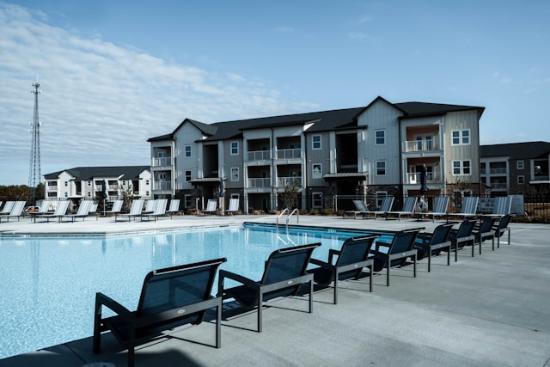
HOA amenities are community assets. Pools, clubhouses, fitness centers, tennis courts, and parks are why people buy into the neighborhood. But these facilities are also vulnerable after hours. Teenagers hop fences to use the pool at midnight, vandals damage clubhouse property, and equipment theft from fitness centers and maintenance sheds is common.
PrimeGuards officers patrol common areas on foot and in marked vehicles. They verify that facilities are locked at closing time, they check for damage, graffiti, and unauthorized use, and they enforce community rules about noise, hours, and guest policies. Residents appreciate this patrol because it protects the amenities they pay for. The HOA board appreciates it because it reduces maintenance costs and liability claims.
Parking Enforcement and Vehicle Management
Parking is the most common complaint in any HOA. Unauthorized vehicles in resident spots, overnight parking in visitor spaces, abandoned cars that sit for weeks, and commercial trucks parked in driveways. These issues create conflict between neighbors and make the community look poorly managed.
PrimeGuards security officers handle parking enforcement professionally and fairly. They issue warnings, document violations, and maintain parking logs. They verify that vehicles in resident spots have proper decals. They check that visitor spaces are available for actual visitors. They also identify abandoned vehicles and report them to management for towing. This enforcement is not about being aggressive. It is about maintaining the standards that the HOA established. When parking rules are enforced consistently, residents stop complaining and the neighborhood looks organized.
After-Hours Community Patrol and Vandalism Deterrence
Communities are most vulnerable at night. Residents are asleep, streets are dark, and criminals know that HOA neighborhoods often have minimal security after 10 PM. Graffiti on mailboxes, broken streetlights, slashed tires, and stolen packages from porches are the crimes that happen after dark and are discovered in the morning.
PrimeGuards mobile patrol officers drive randomized routes through the community during overnight hours. They check for suspicious vehicles, verify that common areas are secure, and look for signs of vandalism. They also respond to resident concerns about noise, trespassers, and safety issues. The visible presence of a marked patrol vehicle in the neighborhood sends a clear message. This community is protected. And that message keeps property values high and insurance claims low.

Why Homeowners Associations Need Professional Security
Mobile Patrol Division Manager at PrimeGuards
18 years in mobile security operations, Certified Protection Professional, former patrol supervisor for residential communities and gated properties
Homeowners associations exist to protect property values and maintain community standards. That is the whole point of an HOA. But many boards focus on landscaping, pool maintenance, and architectural rules while ignoring the one thing that affects property values more than anything else: safety. A neighborhood where residents feel unsafe, where cars get broken into, where graffiti appears on mailboxes, and where strangers wander through at night is a neighborhood where property values decline. No amount of manicured lawns or fresh paint can offset the perception that the community is not secure.
Professional security is the most direct way an HOA can fulfill its core mission. A gated entrance with a trained guard, a parking lot where rules are enforced, and a patrol vehicle that drives the neighborhood at night all send the same message: this community is managed, monitored, and protected. PrimeGuards provides HOA security services for communities of every size, from small condo complexes to large master-planned developments. We understand that HOA security is different from commercial security. It is about creating a sense of home, not a sense of fortress. Here is how professional security protects homeowners associations and the residents who live in them.
Understanding the HOA Security Responsibility
HOA boards have a legal duty of care to their residents. This duty includes maintaining common areas, managing finances, and enforcing covenants. It also includes providing reasonable security measures to protect residents from foreseeable harm. When an HOA fails to provide adequate security and a resident is injured or victimized, the association can be held liable. This is not theoretical. Courts have ruled against HOAs that knew about security risks and did nothing to address them.
The Community Associations Institute, which is the leading organization for HOA education and standards, publishes comprehensive security best practices for community associations. These guidelines make it clear that security is not optional. An HOA that collects dues from residents has an obligation to use those funds for the protection of the community. This includes access control, lighting, surveillance, and professional security personnel. The question is not whether an HOA should provide security. The question is what level of security is appropriate for the specific community.
Security also affects property values directly. Research from the real estate and community management industries shows that neighborhoods with visible security measures command higher property values and sell faster than comparable neighborhoods without security. Buyers are willing to pay more for a community where they feel safe. And current residents are more likely to stay and invest in their homes when they know the neighborhood is protected. Security is not an expense. It is an investment in the community’s most valuable asset: its homes.
Gatehouse and Entrance Access Control
The gatehouse is the front door of the entire community. Every resident, visitor, delivery driver, and contractor passes through it. If the gate is not managed properly, anyone can enter, and once someone is inside they have access to every home, every car, and every common area. An open gate is an open invitation to criminals, solicitors, and people who simply do not belong.
PrimeGuards HOA security officers manage the gate with professionalism and consistency. They verify resident credentials by checking decals, key cards, or resident databases. They register visitors and issue temporary passes that expire after a set time. They challenge anyone who cannot provide a legitimate reason for entry. And they maintain logs that track who entered, when, and why. This documentation is valuable for law enforcement if an incident occurs inside the community. It is also valuable for the HOA board when residents complain about unauthorized visitors or delivery issues.
A well-managed gatehouse does more than stop criminals. It improves the daily experience of residents. When a resident comes home after a long day, they appreciate a guard who recognizes them, greets them by name, and opens the gate without delay. When a visitor arrives for a dinner party, they appreciate clear directions and efficient check-in. When a delivery driver shows up with a package, they appreciate a guard who knows where to send them. The gatehouse is the community’s first impression, and a professional guard makes that impression positive.
Key Liability Issue: Courts have ruled against HOAs that knew about security risks and failed to address them. An HOA that collects dues has a legal duty of care to provide reasonable security for its residents. Inadequate access control is one of the most common factors in HOA liability cases.
Amenity and Common Area Protection
HOA amenities are why people buy into the neighborhood. Pools, clubhouses, fitness centers, tennis courts, parks, and playgrounds are the community assets that differentiate a managed neighborhood from an unregulated one. But these facilities are also vulnerable after hours. Teenagers hop fences to use the pool at midnight. Vandals damage clubhouse property. And equipment theft from fitness centers and maintenance sheds is common enough that most HOAs have experienced it at least once.
PrimeGuards officers patrol common areas on foot and in marked vehicles. They verify that facilities are locked at closing time and that gates and doors are secure. They check for damage, graffiti, and unauthorized use. They enforce community rules about noise, hours, and guest policies. And they document every patrol with timestamps and observations that the HOA board can review.
This patrol is not about being the fun police. It is about protecting the amenities that residents pay for. A pool that is damaged by after-hours trespassers costs thousands to repair and may require closure during peak season. A clubhouse that is vandalized requires insurance claims and contractor delays. A fitness center that is broken into loses equipment that the HOA must replace. Regular patrol prevents these losses by making it clear that the common areas are monitored. Residents appreciate this protection because it preserves the quality of life they invested in when they bought their home.
Parking Enforcement and Vehicle Management
Parking is the most common complaint in any HOA. Unauthorized vehicles in resident spots, overnight parking in visitor spaces, abandoned cars that sit for weeks, and commercial trucks parked in driveways. These issues create conflict between neighbors and make the community look poorly managed. A visitor who sees cars parked on lawns and boats blocking driveways forms an impression that the neighborhood is declining. That impression affects property values.
PrimeGuards security officers handle parking enforcement professionally and fairly. They issue warnings, document violations, and maintain parking logs. They verify that vehicles in resident spots have proper decals. They check that visitor spaces are available for actual visitors. They identify abandoned vehicles and report them to management for towing. And they enforce commercial vehicle restrictions that keep the neighborhood looking residential rather than industrial.
This enforcement is not about being aggressive. It is about maintaining the standards that the HOA established in its covenants. When residents bought their homes, they agreed to follow parking rules. When those rules are enforced consistently, the community looks organized and residents stop complaining. A security officer who handles parking with courtesy and firmness reduces the conflict that parking disputes create between neighbors. The board spends less time mediating arguments and more time managing the community.
After-Hours Community Patrol and Crime Deterrence
Communities are most vulnerable at night. Residents are asleep, streets are dark, and criminals know that HOA neighborhoods often have minimal security after 10 PM. Graffiti on mailboxes, broken streetlights, slashed tires, and stolen packages from porches are the crimes that happen after dark and are discovered in the morning. Each incident erodes the sense of safety that residents expect from a managed community.
PrimeGuards mobile patrol officers drive randomized routes through the community during overnight hours. They check for suspicious vehicles, verify that common areas are secure, and look for signs of vandalism. They respond to resident concerns about noise, trespassers, and safety issues. And they maintain a visible presence that tells criminals this neighborhood is protected.
The randomized timing of patrols is critical. If an officer always drives through at 10 PM and 2 AM, criminals learn the schedule and operate between patrols. PrimeGuards uses GPS tracking and dispatch software to randomize routes while ensuring full coverage. Every check is documented with a timestamp and location. This creates an audit trail that proves coverage and prevents gaps. Over time, consistent patrol coverage makes the community known as a hard target. Criminals move on to easier locations. Property values stay high. And residents sleep better.
The Role of Professional Security vs. Volunteer Patrols
Some HOAs try to save money by using volunteer residents as security patrols. This is understandable from a budget perspective, but it creates serious problems. Volunteers are not trained in security protocols, de-escalation, or emergency response. They are not insured for liability. They do not have the legal authority to detain trespassers or enforce rules. And they have conflicts of interest because they are neighbors, not independent professionals.
When a volunteer confronts a trespasser and the situation escalates, the HOA is liable for the volunteer’s actions. When a volunteer is injured during a patrol, the HOA may be responsible for workers compensation. When a volunteer makes a mistake, there is no professional standard to fall back on. The Community Associations Institute specifically recommends hiring professional security firms rather than relying on volunteers for community protection.
PrimeGuards provides officers who are licensed, insured, trained, and supervised. They understand that their role is to observe and report, not to act as law enforcement. They have the legal knowledge to enforce HOA rules without overstepping their authority. They carry liability insurance that protects the association. And they are accountable to a professional management structure that ensures consistent performance. A volunteer may miss a patrol because they are sick. A professional officer has a replacement ready. The difference is reliability, and reliability is what security requires.
“Community security is not about creating a fortress. It is about creating an environment where residents feel safe, property values are protected, and the association fulfills its duty of care. Professional security personnel are the most effective way to achieve these goals.”
— Community Associations Institute, Security Best Practices Report
How PrimeGuards Structures HOA Security Programs
Every community is different. A gated master-planned development with two thousand homes has different security needs than a fifty-unit condo complex. A community with a golf course and clubhouse needs different coverage than a community with only a pool and a park. An HOA in an urban area with high crime rates faces different risks than an HOA in a quiet suburb. PrimeGuards does not use a one size fits all approach. We assess each community individually and design a security program that matches its specific risks, amenities, and budget.
The process starts with a community security assessment. We walk the property with the HOA board or property manager and identify the vulnerabilities that are unique to the neighborhood. We look at the gatehouse, the parking areas, the common facilities, the perimeter fencing, and the lighting. We review the community’s incident history to understand what problems have occurred in the past. We assess the flow of traffic during peak hours to identify bottlenecks and safety hazards. And we coordinate with the board to make sure our security plan supports the community’s culture rather than changing it.
Based on this assessment, we recommend a security program that may include gatehouse officers, mobile patrol, foot patrol of common areas, parking enforcement, after-hours building checks, or event security for community gatherings. We provide officers who understand residential security. They know when to be visible and when to be discreet. They know how to enforce rules without creating conflict. They know that their job is to protect the community, not to police it. And we provide the documentation, reporting, and accountability that HOA boards need to demonstrate that dues are being used responsibly.
PrimeGuards HOA Security Protocol
- Comprehensive community security assessment and risk identification
- Gatehouse access control with resident verification and visitor logging
- Amenity and common area patrol with facility locking and damage checks
- Parking enforcement with violation documentation and abandoned vehicle reporting
- After-hours mobile patrol with randomized routes and GPS tracking
- Resident concern response and noise complaint management
- Vandalism deterrence and suspicious activity documentation
- Community event security for HOA gatherings and functions
- Monthly reporting for board meetings and resident transparency
Armed vs. Unarmed Security for HOAs
The question of whether HOA security officers should be armed is one that every board must address. The answer depends on the community’s risk profile, location, and specific threats. But for most HOAs, unarmed security is the right choice. Armed guards introduce significant liability. If an officer draws a weapon, the legal and financial consequences can be enormous. The HOA can be named in lawsuits. Insurance premiums can increase. And the officer can face criminal charges if the use of force is questioned.
Unarmed guards provide deterrence, access control, and incident response without introducing lethal force into a residential environment. Their tools are communication, observation, and physical presence. They can detain trespassers under citizen arrest laws where applicable. They can call law enforcement for situations that require armed response. And they can manage the vast majority of security situations that occur in a residential community without ever needing a weapon.
PrimeGuards recommends armed guards only for communities with documented high-risk factors such as previous violent incidents, proximity to high-crime areas, or specific threat intelligence. For all other communities, unarmed officers provide the right balance of protection and peace of mind. Residents want to feel safe, not surveilled. An unarmed officer in a professional uniform creates that feeling without the tension that an armed presence can create.
HOA Security Risk Factors and Coverage Solutions
| Risk Factor | Why It Matters | Security Solution |
| Unmanaged gate access | Anyone can enter, creating liability | Professional gatehouse with credential verification |
| After-hours amenity use | Vandalism, theft, unauthorized entry | Common area patrol and facility locking |
| Parking violations | Resident conflict, neighborhood decline | Parking enforcement and documentation |
| Overnight crime | Vandalism, vehicle break-ins, package theft | Randomized mobile patrol with visible presence |
| Volunteer liability | HOA liable for untrained resident actions | Licensed, insured professional security firm |
| Special events | Large crowds, alcohol, unfamiliar visitors | Event security with access control and crowd management |
| Inadequate lighting | Dark areas attract crime and create liability | Security assessment with lighting recommendations |
| Lack of documentation | No proof of security efforts for insurance or court | GPS tracked patrol logs and incident reports |
Frequently Asked Questions About HOA Security
HOA Security FAQs
Can our residents serve as volunteer security instead of hiring professionals?
Volunteers are not recommended for primary security coverage. They lack training, insurance, and legal authority. The HOA is liable for their actions and injuries. The Community Associations Institute recommends hiring professional security firms for community protection. Volunteers can supplement a professional program but should not replace it.
Should our HOA security officers be armed?
For most communities, unarmed security is the right choice. Armed guards introduce significant liability into a residential environment. PrimeGuards recommends armed officers only for communities with documented high-risk factors such as previous violent incidents or proximity to high-crime areas. Unarmed officers provide effective deterrence without the liability of lethal force.
How much does HOA security cost?
Costs vary based on community size, hours of coverage, and services needed. A small community may need only a few hours of patrol per week. A large gated community may need 24/7 gatehouse coverage and overnight patrol. PrimeGuards provides custom quotes based on your specific assessment. We also help identify cost-effective solutions that fit your budget.
What happens if a resident complains about a security officer?
PrimeGuards assigns a client manager to every HOA account. Concerns are addressed within 24 hours. If an officer is not meeting the community’s standards, we replace them immediately. Our officers are trained in customer service and community relations, but we understand that personality fit matters in a residential setting.
Can security officers enforce HOA rules beyond parking?
Yes. Security officers can enforce any rule that the HOA board has authorized them to enforce, including noise restrictions, pet policies, amenity hours, and architectural compliance. They do not create rules. They apply the policies that the board has established. This consistent enforcement reduces the burden on the board and improves community standards.
Methodology and Sources
✓ Community Associations Institute – Security Best Practices Report
✓ Community Associations Institute Foundation – Community Security Case Studies
✓ National Association of Residential Property Managers – Security Standards
✓ Private Security Industry Standards – Observe and Report Protocols
✓ Polo Club of Boca Raton – Integrated Security Program Case Study
✓ PrimeGuards Field Operations Data – Residential Community Incident Reports
Sources:
Community Associations Institute – Security Best Practices
CAI Foundation – Community Security Research
National Association of Residential Property Managers
Department of Homeland Security – Nonprofit Security Resources
National Fire Protection Association – Community Safety Standards
Nationwide Armed Security Guard Coverage
PrimeGuards provides professional armed security guard services across the United States. Our certified armed security guards are available for immediate deployment in all major metropolitan areas including:
West Coast: Los Angeles, San Diego, San Francisco, San Jose, Phoenix, Las Vegas, Seattle, Portland, Sacramento, Oakland
Texas & Southwest: Houston, Dallas, Fort Worth, Austin, San Antonio, El Paso, Albuquerque, Tucson
Midwest: Chicago, Aurora, Naperville, Indianapolis, Detroit, Columbus, Cleveland, Cincinnati, Milwaukee, Madison
Southeast: Atlanta, Miami, Jacksonville, Tampa, Orlando, Charlotte, Raleigh, Charleston, Columbia, Savannah
Northeast: New York City, Buffalo, Newark, Jersey City, Philadelphia, Pittsburgh, Boston, Worcester, Baltimore, Washington DC
Don’t see your city? We cover all 50 states. View complete service area list or contact us for immediate coverage.

Armed & Unarmed Security
We deliver personalized security services designed to fit your specific requirements.
Certified Security Guards
Our certified security guards are extensively trained to tackle any security post.
Fully Licensed Security Officers
Our licensed and insured security guards are managed by law enforcement officers.
Personalized Security Services
We provide security services that are uniquely tailored to your business. Contact us.
FAQ’s
Request more information now
Support Email
info@primeguards.com
talk to our agent
Live Chat Now
Request more information now
Support Email
info@primeguards.com
talk to our agent
Live Chat Now