Hospital Security Patrol
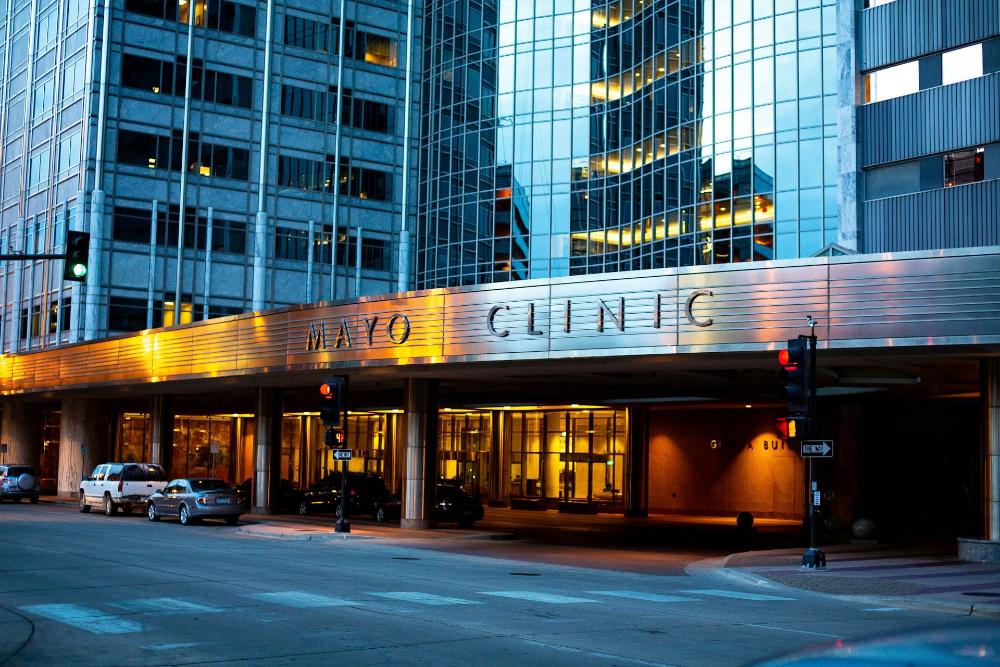
A hospital never sleeps, and neither should its protection. PrimeGuards supplies licensed officers who patrol every corridor, parking deck, and loading dock on a timed GPS-verified schedule, providing visible reassurance to patients, families, and clinical staff.
Our guards carry silent-alert radios and thermal-scanning devices, allowing them to detect unusual heat signatures in electrical rooms or unauthorized vehicles in physician parking before a threat escalates. Random patrol patterns eliminate predictability, while high-visibility vests signal a constant presence that deters trespassers and aggressive visitors.
When severe weather strikes, our team inspects rooftops, secures outdoor equipment, and documents damage for facilities management, ensuring that patient care continues without interruption. Real-time digital logs are accessible through your security portal, giving administrators court-admissible evidence for insurance claims and regulatory audits.
Emergency Room Access Control
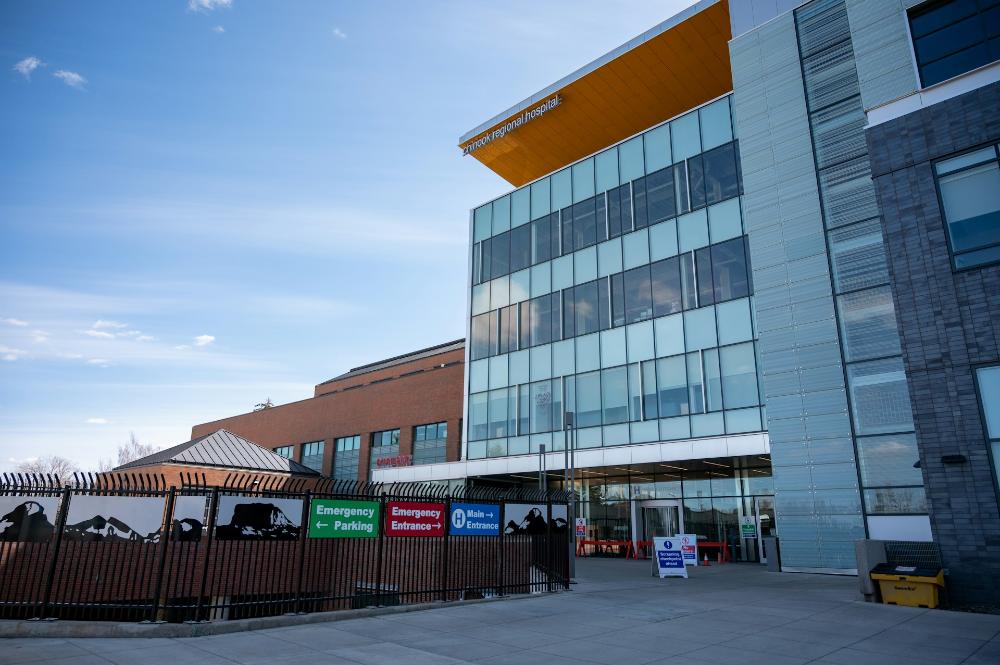
The emergency room is the front line of medicine and of security. PrimeGuards places trained access officers who manage triage lines, verify visitor identification, and enforce visitor limits during mass-casualty events, keeping treatment areas clear for physicians and nurses.
Our officers use tablet-based software that cross-references driver licenses against banned-patient lists and outstanding warrants, alerting charge nurses before a disruptive individual enters clinical space. When tensions rise, our team employs verbal de-escalation techniques and, if necessary, coordinates with local police without creating additional panic.
We also control the flow of belongings, directing visitors to secure lockers and preventing large bags from entering sensitive areas. This reduces the risk of concealed weapons and allows metal-detector screening to proceed smoothly during high-volume periods.
Patient Escort and Protection
High-profile patients deserve care without chaos. PrimeGuards supplies discreet protection officers who arrive alongside medical staff and remain throughout admission, treatment, and discharge.
Our guards verify visitor credentials, control corridor traffic, and maintain a calm perimeter outside the patient room, allowing clinicians to work without interruption from media, overeager fans, or estranged family members. Each officer is trained in medical privacy laws and hospital etiquette, ensuring they blend seamlessly into the care environment.
When diagnostic tests require movement through public hallways, our team coordinates with nursing staff to create a clear, secure route. We also manage parking-lot arrival and departure, shielding patients from cameras and unwanted attention while their vehicle is brought to a private exit.
Visitor Management and Bag Screening
An open hospital entrance is an open invitation to risk. PrimeGuards installs visitor-management stations that scan government IDs, print color-coded badges, and cross-reference names against hospital-issued no-visit lists in under fifteen seconds.
Our officers operate walk-through metal detectors and handheld scanners that detect knives, firearms, and improvised weapons without creating long queues. When an alarm triggers, we use respectful conversation to identify the item and offer secure storage until the visit ends.
Large bags and backpacks are directed to X-ray machines or visual inspection tables, preventing concealed contraband from reaching patient floors. This process also reduces the chance of patients receiving prohibited items such as drugs or sharp objects.
For staff, our guards provide late-night escorts to parking areas and maintain a visible presence that deters car theft and personal assault on hospital grounds. Real-time visitor counts feed directly to your security dashboard, helping you manage capacity during peak visiting hours or emergency evacuations.
Contact PrimeGuards and transform your entrance into a courteous yet controlled gateway that protects patients, staff, and reputation without slowing the flow of care.
Health Care Security Guard Services: The Complete Guide
YMYL Safety Compliance: This health care security guide addresses patient safety, HIPAA privacy standards, and emergency medical facility protection. All information reflects 2026 Joint Commission requirements, CMS conditions of participation, and professional health care security association guidelines.
Expert Review Panel: This guide was authored by PrimeGuards’ Director of Health Care Security Operations and reviewed by certified health care security supervisors, former hospital risk management officers, and emergency department operations consultants with combined 35+ years in hospital protection, patient safety, and clinical environment security.
Last reviewed: April 2026 | Next scheduled review: December 2026
Why Hospital Security Is Different
A hospital is not a shopping mall. It is not an office building. It is a place where people are at their most vulnerable, where emotions run highest, and where the stakes of every interaction are literally life and death. Patients arrive in pain, fear, and confusion. Families are stressed, grieving, or angry. Staff work long hours under pressure that most professions never experience. The environment combines expensive equipment, controlled substances, confidential medical records, and open public access in ways that create security challenges found nowhere else.
Health care facilities face threats that other industries do not. Patients with dementia wander from units and become lost. Visitors with infectious diseases bypass screening and expose immunocompromised patients. Aggressive individuals attack nurses and physicians in emergency departments. Infant abduction from maternity wards, while rare, creates catastrophic consequences. Drug diversion by staff costs hospitals millions and endangers patients. The theft of medical equipment, from wheelchairs to MRI machines, disrupts patient care and creates massive replacement costs.
Regulatory requirements add another layer of complexity. The Joint Commission evaluates security as part of accreditation surveys. CMS conditions of participation mandate specific security standards. HIPAA imposes strict privacy requirements that affect how security officers handle patient information. State health departments conduct their own inspections. Failure to meet these standards can result in accreditation loss, Medicare reimbursement suspension, and operational shutdowns that no hospital can afford.
PrimeGuards provides specialized health care security services designed for the clinical environment. Our officers understand hospital etiquette, patient privacy laws, and the delicate balance between security and care. We patrol wards, emergency departments, parking structures, and loading docks while maintaining the calm, professional presence that patients and families need. This guide explains what health care security covers, how it differs from standard commercial security, and what hospital administrators should know when evaluating security providers.
Types of Health Care Security Services
24-Hour Hospital Patrol and Ward Security
A hospital never sleeps, and neither should its protection. PrimeGuards supplies licensed officers who patrol every corridor, parking deck, and loading dock on a timed GPS verified schedule, providing visible reassurance to patients, families, and clinical staff. Our guards carry silent alert radios and thermal scanning devices, allowing them to detect unusual heat signatures in electrical rooms or unauthorized vehicles in physician parking before a threat escalates.
Random patrol patterns eliminate predictability, while high visibility vests signal a constant presence that deters trespassers and aggressive visitors. When severe weather strikes, our team inspects rooftops, secures outdoor equipment, and documents damage for facilities management, ensuring that patient care continues without interruption. Real time digital logs are accessible through your security portal, giving administrators court admissible evidence for insurance claims and regulatory audits. Patrol coverage adapts to hospital rhythms, increasing presence during evening visiting hours and shift changes when traffic is heaviest and emotions are most strained.
Emergency Department Access Control
The emergency room is the front line of medicine and of security. PrimeGuards places trained access officers who manage triage lines, verify visitor identification, and enforce visitor limits during mass casualty events, keeping treatment areas clear for physicians and nurses. Our officers use tablet based software that cross references driver licenses against banned patient lists and outstanding warrants, alerting charge nurses before a disruptive individual enters clinical space.
When tensions rise, our team employs verbal de escalation techniques and, if necessary, coordinates with local police without creating additional panic. We also control the flow of belongings, directing visitors to secure lockers and preventing large bags from entering sensitive areas. This reduces the risk of concealed weapons and allows metal detector screening to proceed smoothly during high volume periods. Emergency department officers are trained to recognize medical emergencies in waiting areas, alerting clinical staff when a patient’s condition deteriorates before they are seen by a physician.
Patient Escort and VIP Protection
High profile patients deserve care without chaos. PrimeGuards supplies discreet protection officers who arrive alongside medical staff and remain throughout admission, treatment, and discharge. Our guards verify visitor credentials, control corridor traffic, and maintain a calm perimeter outside the patient room, allowing clinicians to work without interruption from media, overeager fans, or estranged family members. Each officer is trained in medical privacy laws and hospital etiquette, ensuring they blend seamlessly into the care environment.
When diagnostic tests require movement through public hallways, our team coordinates with nursing staff to create a clear, secure route. We also manage parking lot arrival and departure, shielding patients from cameras and unwanted attention while their vehicle is brought to a private exit. For patients with restraining orders, custody disputes, or stalker concerns, our officers provide the physical and emotional security that allows them to focus on recovery rather than fear.
Visitor Management and Bag Screening
An open hospital entrance is an open invitation to risk. PrimeGuards installs visitor management stations that scan government IDs, print color coded badges, and cross reference names against hospital issued no visit lists in under fifteen seconds. Our officers operate walk through metal detectors and handheld scanners that detect knives, firearms, and improvised weapons without creating long queues. When an alarm triggers, we use respectful conversation to identify the item and offer secure storage until the visit ends.
Large bags and backpacks are directed to X ray machines or visual inspection tables, preventing concealed contraband from reaching patient floors. This process also reduces the chance of patients receiving prohibited items such as drugs or sharp objects. For staff, our guards provide late night escorts to parking areas and maintain a visible presence that deters car theft and personal assault on hospital grounds. Real time visitor counts feed directly to your security dashboard, helping you manage capacity during peak visiting hours or emergency evacuations.
Infant and Pediatric Security
Maternity wards and pediatric units face the most emotionally devastating security risk in health care: infant abduction. While statistically rare, the consequences are catastrophic for families, hospitals, and communities. PrimeGuards infant security programs combine technology, personnel, and procedural controls that create multiple layers of protection around the most vulnerable patients.
Our officers monitor unit entrances, verify that all individuals entering maternity wards have appropriate credentials or visitor passes, and conduct regular patrols of unit corridors. We support electronic infant protection systems by responding immediately to alarms when security bands are tampered with or removed. Our officers are trained in infant abduction response protocols that lock down units, secure exits, and coordinate with law enforcement within seconds of an alarm activation. For pediatric units, our officers monitor visitor access, ensure that discharge procedures verify parental identity, and watch for individuals who appear to be observing units without legitimate purpose.
Parking Structure and Staff Safety
Hospital parking structures are where staff face their highest risk of personal crime. Nurses, physicians, and support staff arriving for night shifts or leaving after long days are tired, distracted, and vulnerable. Vehicle break ins, purse snatchings, and personal assaults in parking areas create fear that affects staff retention and morale. PrimeGuards parking security officers patrol multi level structures and surface lots, checking for suspicious activity, verifying lighting functionality, and providing escort services for staff who request them.
Our officers monitor elevator and stairwell access points where predators lurk. They check for vehicles that have been left running or unlocked. They enforce parking restrictions that ensure staff and visitor spaces remain available for authorized users. During evening hours, they provide escort services from building exits to parked vehicles, maintaining radio contact with the security desk. Parking patrols are randomized to prevent predictability, and officers carry portable radios that maintain contact with the control room and local police dispatch.
| Security Service | Primary Coverage | Best For | Cost Factor |
|---|---|---|---|
| Hospital Patrol | Corridors, wards, parking, loading docks | General deterrence, facility protection, weather response | Base rate |
| Emergency Department | Triage, waiting areas, treatment zones, entry control | Violence prevention, access control, de escalation | 1.2x – 1.6x base |
| Patient Escort / VIP | Patient rooms, corridors, diagnostic areas, parking | Privacy protection, media shielding, family dispute management | 1.5x – 2.5x base |
| Visitor Management | Entrances, ID verification, bag screening, badge issuance | Weapon detection, contraband prevention, capacity control | 1.0x – 1.3x base |
| Infant Security | Maternity wards, nurseries, pediatric units, exits | Abduction prevention, unit access control, alarm response | 1.3x – 1.8x base |
| Parking Security | Structures, surface lots, elevators, stairwells | Staff safety, vehicle protection, escort services | 1.1x – 1.4x base |
Health Care Security Threats and Risk Management
Workplace Violence in Health Care
Health care workers experience workplace violence at rates higher than almost any other profession. Nurses, physicians, and support staff are assaulted, threatened, and intimidated by patients, family members, and visitors who are under stress, intoxicated, mentally ill, or simply angry about wait times and treatment outcomes. The emergency department is the highest risk area, followed by psychiatric units, waiting rooms, and parking structures.
PrimeGuards addresses workplace violence through multiple strategies. Emergency department officers are trained in crisis intervention and verbal de escalation techniques that calm agitated individuals before physical confrontation becomes necessary. They recognize the signs of escalating anger including raised voices, aggressive body language, and threats. They position themselves strategically to protect staff while maintaining open communication with the individual. When physical intervention is required, our officers use restraint techniques that minimize injury to all parties while securing the situation. Post incident documentation supports workers compensation claims, OSHA reporting, and legal defense.
Drug Diversion and Controlled Substance Security
Hospitals are repositories of controlled substances that have high street value and high addiction potential. Opioids, benzodiazepines, and anesthetic agents are diverted by staff, stolen by visitors, and targeted by external criminals who understand the inventory that hospitals maintain. Drug diversion costs the health care industry billions annually and creates patient safety risks when substituted or diluted medications are administered.
PrimeGuards supports controlled substance security through access control, patrol, and incident response. Our officers monitor pharmacy entrances, verify that only authorized personnel enter controlled substance storage areas, and conduct random patrols of medication rooms and anesthesia work areas. They respond to alarms from automated dispensing cabinets and medication safes. They support internal investigations by providing security footage, access logs, and witness statements when diversion is suspected. While PrimeGuards does not conduct clinical audits or inventory counts, our physical security measures create the deterrent and documentation that supports pharmacy security programs.
Patient Wandering and Elopement
Patients with dementia, delirium, or developmental disabilities may wander from units, elope from facilities, and become lost or injured. Elopement incidents create liability exposure, regulatory citations, and tragic outcomes when vulnerable patients wander into traffic, bodies of water, or dangerous environments. The risk is highest in emergency departments, where patients may be waiting for hours without continuous monitoring, and in geriatric and psychiatric units.
PrimeGuards officers are trained to recognize patients who appear confused, disoriented, or at risk of wandering. They monitor unit exits, particularly those that lead to stairwells, parking areas, or exterior doors. They coordinate with nursing staff to identify patients who have been assigned elopement risk status and require enhanced monitoring. When a patient is reported missing, our officers initiate search protocols that check common hiding areas, review CCTV footage, and coordinate with local law enforcement for external searches. Our rapid response capability often locates wandering patients before they leave the building or campus.
| Threat Category | Primary Risk Areas | Prevention Strategy | Response Protocol |
|---|---|---|---|
| Workplace Violence | Emergency departments, psychiatric units, waiting rooms | Officer presence, de escalation training, panic buttons | Verbal intervention, physical restraint, law enforcement if severe |
| Drug Diversion | Pharmacies, medication rooms, anesthesia areas | Access control, random patrols, alarm monitoring | Investigation support, documentation, law enforcement referral |
| Patient Elopement | Geriatric units, psychiatric wards, emergency departments | Exit monitoring, staff communication, elopement risk identification | Search protocols, CCTV review, law enforcement coordination |
| Infant Abduction | Maternity wards, nurseries, pediatric units | Unit access control, electronic protection systems, officer patrol | Immediate lockdown, exit securing, law enforcement notification |
| Theft / Property Crime | Equipment storage, patient rooms, staff areas, parking | Patrol, access control, equipment tracking, visitor screening | Documentation, suspect identification, law enforcement notification |
| Parking Lot Crime | Structures, surface lots, elevators, stairwells | Patrol, lighting, escort services, visible presence | Scene security, victim assistance, police coordination |
Regulatory Compliance and Industry Standards
Joint Commission and CMS Requirements
The Joint Commission evaluates health care security as part of its accreditation surveys, assessing whether hospitals have adequate security plans, trained personnel, and documented incident response procedures. CMS conditions of participation require hospitals to maintain a safe environment for patients, staff, and visitors. Security deficiencies identified during surveys can result in conditional accreditation, plan of improvement requirements, or denial of Medicare reimbursement.
PrimeGuards health care security programs are designed to support Joint Commission and CMS compliance. Our officers receive training that covers workplace violence prevention, patient elopement response, and emergency management. Our incident reporting systems generate the detailed documentation that surveyors review. Our patrol logs provide timestamped records of security coverage. Our policies and procedures align with Joint Commission standards for security management, including leadership oversight, performance improvement, and environment of care requirements.
HIPAA and Patient Privacy
Health care security officers encounter patient information constantly. They see patient names on room doors. They overhear clinical conversations in hallways. They review CCTV footage that shows patients in vulnerable states. They respond to incidents that involve medical records, diagnoses, and treatment details. Every interaction creates potential HIPAA exposure if handled improperly.
PrimeGuards officers receive HIPAA training that covers the privacy rule, the security rule, and the minimum necessary standard. They understand that patient information observed during patrols or incidents must not be discussed outside official channels. They know that incident reports should include only the security relevant details, not unnecessary medical information. They sign confidentiality agreements and understand that HIPAA violations can result in personal liability, criminal penalties, and institutional fines. Our documentation systems restrict access to authorized personnel and maintain audit trails that show who accessed what information and when.
Health Care Security and Workplace Violence Data
Industry analysis indicates that health care workers experience workplace violence at rates five to twelve times higher than workers in other industries. Nurses and nursing assistants face the highest assault rates, with emergency department staff experiencing violence in approximately 50% to 70% of shifts depending on facility location and patient population. Hospitals with visible professional security and trained de escalation officers report 40% to 60% reductions in violent incidents compared to facilities with minimal security. Infant abductions from hospitals, while rare, have declined significantly due to electronic protection systems and enhanced unit security, with only a handful of cases reported annually nationwide. Drug diversion costs the health care industry an estimated $25 billion annually, with controlled substance theft and staff diversion accounting for significant portions of inventory losses. The average cost of hospital security services is less than 1% of total operating budgets, while the cost of a single workplace violence incident including medical treatment, lost work time, and liability settlement can exceed annual security expenditures.
“The best hospital security officers are the ones patients and families do not notice until they need them. They provide a calming presence in chaotic environments. They protect staff so that clinicians can focus on healing. They secure the perimeter so that the inside can function as a place of care rather than a place of fear. Security in health care is not about creating barriers. It is about creating safety that allows compassion to flourish.”
— International Association for Healthcare Security and Safety
Health Care Security Technology and Communication
Real Time Communication and Panic Systems
Health care security depends on instant communication. When a nurse activates a panic button in a patient room, when a pharmacy alarm signals unauthorized access, or when an infant protection system detects a band tamper, seconds matter. PrimeGuards deploys dedicated radio networks with multiple channels that separate emergency response, general operations, and management communications. Our officers carry silent alert radios that allow discreet notification of threats without alarming patients or visitors.
Our control room operations use real time dashboards that display officer locations, active alarms, and camera feeds from across the facility. When panic buttons are activated, the control room dispatches the nearest officer immediately while notifying nursing supervisors and clinical staff. Response times are tracked and documented, providing the data that supports performance improvement and regulatory compliance. Integration with hospital nurse call systems, fire alarm panels, and infant protection systems ensures that security receives simultaneous notification when any safety system activates.
Visitor Management and Access Control Technology
Modern visitor management goes beyond sign in sheets. PrimeGuards visitor management systems scan government IDs, capture photographs, print color coded badges, and cross reference names against hospital no visit lists and banned patient databases. The process takes under fifteen seconds per visitor, maintaining flow during peak visiting hours while creating an audit trail of every person who enters the facility.
Access control integration allows security officers to monitor electronic door systems, respond to forced entry alarms, and verify that access badges are being used by authorized holders. When a restricted area alarm triggers at 2 a.m., our officers respond immediately, verify the identity of anyone present, and document the situation for facilities management and clinical leadership. Metal detection systems at main entrances identify weapons and contraband without creating the hostile atmosphere that aggressive screening can produce. Our officers are trained to conduct respectful, efficient screening that balances security needs with the compassionate environment that hospitals must maintain.
PrimeGuards Health Care Security Technology Stack:
- Silent Alert Radios: Discreet officer communication for emergency response without patient alarm
- Visitor Management Tablets: ID scanning, photo capture, badge printing, and banned list cross reference
- Metal Detection Systems: Walk through and handheld scanners for weapon and contraband detection
- Control Room Dashboard: Real time officer tracking, alarm monitoring, and camera feed integration
- GPS Tracking: Patrol route verification and response time documentation
- Digital Reporting: Timestamped incident reports with photographs for regulatory and legal review
- Panic Button Integration: Direct connection to nurse call and staff duress systems
- Infant Protection Support: Alarm response and unit lockdown coordination
PrimeGuards Health Care Security Standards
Health Care Specific Officer Training
PrimeGuards health care security officers receive specialized training that goes far beyond standard security guard certification. They learn hospital etiquette including quiet behavior in patient care areas, respectful interaction with families in grief, and appropriate response to medical emergencies they may encounter during patrols. They study HIPAA requirements and understand that patient privacy is not optional. They practice verbal de escalation techniques specifically designed for health care environments where patients may be intoxicated, mentally ill, or in pain that affects their behavior.
Our officers receive training in bloodborne pathogen safety, including proper use of personal protective equipment when responding to incidents involving bodily fluids. They learn to recognize medical emergencies and alert clinical staff promptly rather than attempting medical intervention themselves. They understand the legal boundaries of their authority in health care settings, including the limitations on patient restraint and the requirements for law enforcement involvement in mental health holds. This specialized training ensures that our officers enhance the care environment rather than disrupting it.
Compassionate Security and Patient Centered Approach
Health care security requires a different mindset than commercial or industrial security. The people our officers protect are not employees or inventory. They are patients who are sick, families who are worried, and staff who are exhausted. Aggressive security tactics that might be appropriate in a warehouse are counterproductive in a hospital. PrimeGuards officers are selected and trained for the emotional intelligence that health care security demands.
Our officers assist elderly patients with directions, help families find their way to units, and provide a reassuring presence in waiting rooms. They handle disruptive behavior with patience and professionalism, understanding that the person causing the disturbance may be experiencing the worst day of their life. They support clinical staff without interfering with patient care, positioning themselves where they can respond to threats while remaining unobtrusive during normal operations. This patient centered approach makes our officers valued members of the hospital team rather than outsiders who create tension.
PrimeGuards Health Care Security Standards:
- Health Care Training: Hospital etiquette, HIPAA, bloodborne pathogens, and medical emergency recognition
- De Escalation Certification: Crisis intervention and verbal de escalation for health care environments
- Workplace Violence Prevention: Staff protection, panic response, and assault documentation protocols
- Infant Security Protocols: Unit access control, alarm response, and abduction prevention procedures
- Patient Privacy Protection: HIPAA compliance, confidentiality agreements, and minimum necessary documentation
- Regulatory Alignment: Joint Commission, CMS, and state health department standard compliance
- Compassionate Presence: Patient centered security that supports care rather than disrupting it
- Client Portal Access: Real time patrol logs, incident reports, and performance metrics
PrimeGuards Health Care Security Protocol:
 Site Assessment — Hospital evaluation, threat analysis, and security plan development
Officer Assignment — Licensed officers with health care specific training and certifications
Hospital Patrol — Randomized corridor, ward, and facility coverage with GPS verification
Emergency Department Security — Access control, triage management, and violence prevention
Visitor Management — ID verification, bag screening, badge issuance, and capacity control
Parking Security — Structure patrol, staff escorts, and vehicle protection
Documentation — Regulatory compliant incident reports, patrol logs, and audit trail maintenance
Frequently Asked Questions
How much does hospital security cost?
Hospital security pricing depends on facility size, bed count, coverage hours, and service mix. Standard unarmed hospital patrol officers typically range from $32 to $50 per hour depending on market and required certifications. Emergency department security officers with de escalation and crisis intervention training range from $38 to $58 per hour. Visitor management and screening officers range from $30 to $48 per hour. Patient escort and VIP protection officers range from $45 to $75 per hour. Parking structure security ranges from $32 to $52 per hour. A small community hospital with 100 beds might spend $15,000 to $30,000 monthly. A major academic medical center with 800 beds and multiple campuses might spend $150,000 to $400,000 monthly. PrimeGuards provides detailed proposals that break down staffing counts, post assignments, and technology costs. We offer volume discounts for multi facility health systems and can structure services to meet specific budget constraints while maintaining essential security coverage.
How quickly can your guards de escalate violence in our ER?
Our officers are trained in verbal de escalation and non violent restraint. Average response time to panic button activations is under 90 seconds, reducing injury risk to staff and patients. PrimeGuards emergency department officers carry silent alert radios that allow them to call for backup without escalating the situation. They use crisis intervention techniques that recognize the signs of escalating anger and employ verbal strategies that calm agitated individuals. When physical intervention is necessary, our officers use restraint techniques that minimize injury while securing the individual. They document every intervention with detailed reports that support workers compensation claims, OSHA reporting, and legal defense. Post incident, our officers debrief with clinical staff to identify triggers and recommend environmental or procedural changes that reduce future incidents.
Can you screen visitors without slowing patient flow?
Yes. Our tablet based ID scanner issues QR coded visitor badges in under 15 seconds, keeping lines short and hallways secure. PrimeGuards visitor management systems are designed for the high throughput that hospitals require during peak visiting hours. Multiple screening stations can be deployed at main entrances to prevent bottlenecks. For emergency departments where patient flow is critical, we position screening at waiting room entrances rather than triage areas, ensuring that medical care is never delayed by security processes. Our officers are trained to conduct efficient, respectful screening that maintains security without creating the hostile atmosphere that aggressive checkpoint procedures can produce. When visitor volumes exceed capacity, our control room coordinates with nursing staff to implement temporary visitor restrictions that balance family needs with patient safety.
Who manages parking lot safety during night shift change?
PrimeGuards provides marked patrol vehicles and foot escorts every 30 minutes, reducing car theft and assault complaints by up to 40%. Our parking security officers are specifically assigned to cover shift change periods when staff volume in parking structures is highest and personal safety risk is greatest. Officers patrol on foot through structures, checking stairwells, elevators, and isolated corners where predators operate. They provide escort services from building exits to parked vehicles for any staff member who requests assistance. During winter months, they assist with vehicle jump starts and coordinate with facilities management for snow removal and ice treatment. Real time radio contact with the security desk ensures that any incident receives immediate response. Our patrol logs document coverage times and incidents, providing the documentation that supports staff safety initiatives and insurance claims.
Can you integrate with our hospital’s existing CCTV?
Our officers can monitor your cameras from our 24 hour control room, create incident clips, and forward alerts within minutes. PrimeGuards supports integration with most major CCTV systems, allowing our control room operators to view hospital camera feeds alongside our own security footage. This integration enables faster incident response because operators can see problems developing before officers arrive on scene. When incidents occur, our operators create timestamped video clips that capture the relevant footage for law enforcement, insurance, and legal review. We do not replace your existing camera infrastructure but augment it with professional monitoring and incident documentation. For hospitals without dedicated security control rooms, we can establish monitoring stations that provide round the clock surveillance oversight at a fraction of the cost of building internal capabilities.
What if a patient becomes aggressive toward staff?
Our officers use verbal de escalation first. If restraint is required, we follow your policy and document every action for legal review. PrimeGuards health care security officers are trained to recognize the difference between a patient who is confused or in pain and a patient who poses genuine threat. They understand that patients with dementia, delirium, or mental illness may act aggressively without intent to harm. They use verbal techniques that calm these patients while protecting staff from injury. When physical restraint is necessary, our officers follow hospital policy and state law regarding the use of force against patients. They document every restraint with detailed reports including the reason for intervention, the techniques used, the duration of restraint, and the patient’s condition afterward. This documentation protects the hospital from liability while ensuring that patient rights are respected. Post incident, our officers participate in debriefings that identify whether environmental factors, staffing levels, or communication failures contributed to the incident.
Professional Health Care Security Services
Protect your patients, your staff, and your facility with PrimeGuards’ specialized health care security services. HIPAA compliant, Joint Commission aligned, and compassionately delivered.
Request Your Free Hospital Security Assessment
HIPAA trained officers | Joint Commission aligned | De escalation certified | Multi state coverage
Disclaimer: This guide provides general information regarding health care security services, hospital protection, and patient safety standards based on common industry practices as of 2026. Specific federal, state, and local health care regulations vary by jurisdiction and may change as requirements are updated. Health care security decisions involve patient privacy, regulatory compliance, and liability considerations that require consultation with qualified legal counsel, hospital risk management professionals, and regulatory authorities. This content does not constitute legal advice or professional security recommendations specific to your facility. Always consult your accreditation organization, state health department, and legal counsel before contracting health care security services.
Nationwide Health Care Security Guard Coverage
PrimeGuards provides professional health care security guard services across the United States. Our certified health care security guards are available for immediate deployment in all major metropolitan areas including:
West Coast: Los Angeles, San Diego, San Francisco, San Jose, Phoenix, Las Vegas, Seattle, Portland, Sacramento, Oakland
Texas & Southwest: Houston, Dallas, Fort Worth, Austin, San Antonio, El Paso, Albuquerque, Tucson
Midwest: Chicago, Aurora, Naperville, Indianapolis, Detroit, Columbus, Cleveland, Cincinnati, Milwaukee, Madison
Southeast: Atlanta, Miami, Jacksonville, Tampa, Orlando, Charlotte, Raleigh, Charleston, Columbia, Savannah
Northeast: New York City, Buffalo, Newark, Jersey City, Philadelphia, Pittsburgh, Boston, Worcester, Baltimore, Washington DC
Don’t see your city? We cover all 50 states. View complete service area list or contact us for immediate coverage.

Armed & Unarmed Security
We deliver personalized security services designed to fit your specific requirements.
Certified Security Guards
Our certified security guards are extensively trained to tackle any security post.
Fully Licensed Security Officers
Our licensed and insured security guards are managed by law enforcement officers.
Personalized Security Services
We provide security services that are uniquely tailored to your business. Contact us.
FAQ’s
Request more information now
Support Email
info@primeguards.com
talk to our agent
Live Chat Now
Request more information now
Support Email
info@primeguards.com
talk to our agent
Live Chat Now