Expert Armed Security Services
At PrimeGuards, we provide elite armed security services tailored for high-risk environments. Our guards are extensively trained in firearms handling, emergency response, and advanced security protocols, ensuring they can manage critical situations with precision and calm. Each guard undergoes rigorous training to handle high-pressure scenarios, making them adept at conflict resolution and emergency response.
Our armed security professionals are equipped to protect your business, high-value assets, and high-risk events with unmatched expertise. They provide a professional presence that deters potential threats and ensures your safety. Whether it’s managing access, monitoring for suspicious activity, or providing emergency response, our guards are always prepared to handle any challenge that arises.
Choose PrimeGuards for reliable and effective security solutions. Our advanced training and specialized skills ensure that your premises and assets remain secure at all times. Trust us to provide the highest level of protection and peace of mind. With PrimeGuards, you’re not just getting armed security; you’re getting expert protection.
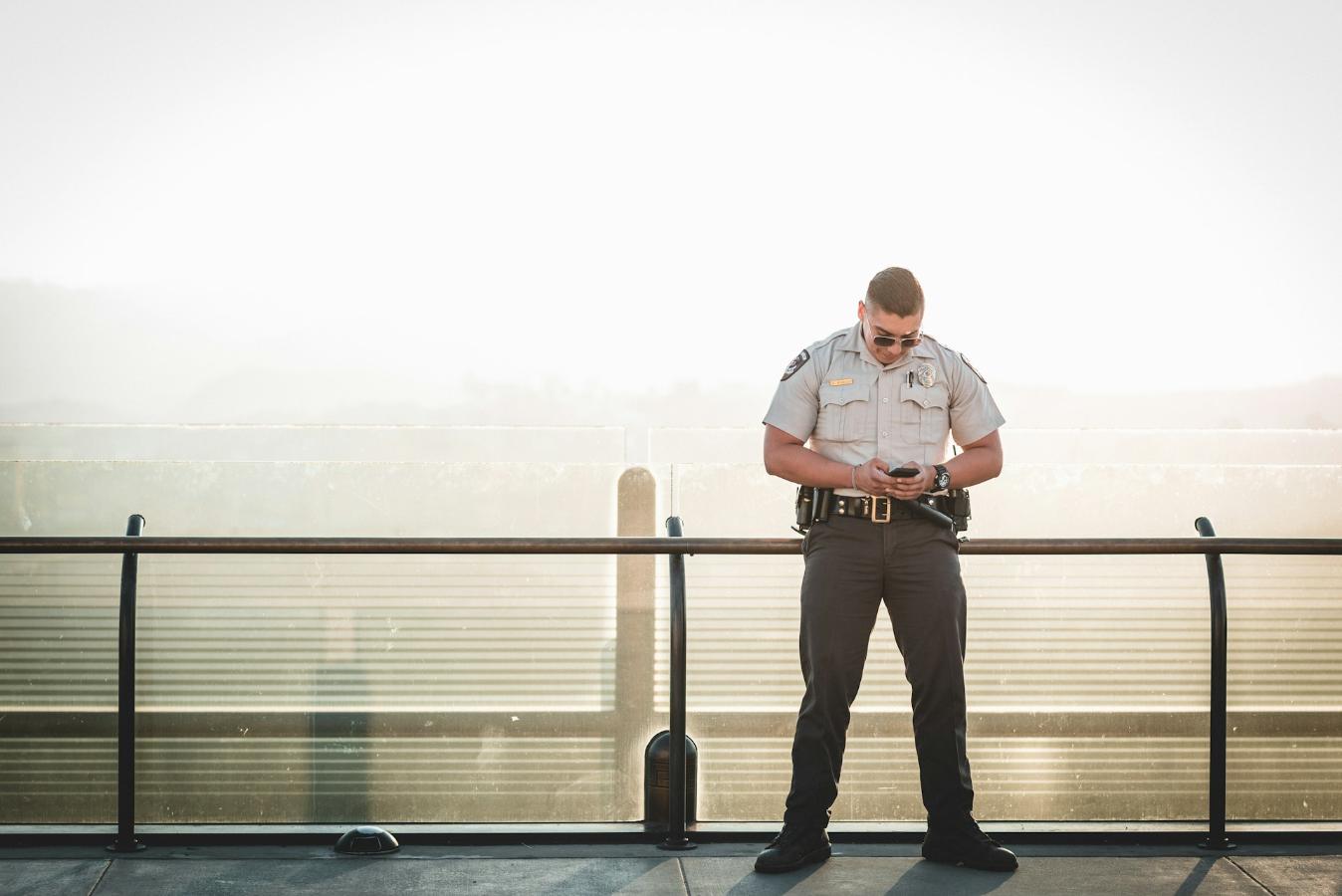
Advanced Training: Armed Security
At PrimeGuards, our armed security guards are more than just protectors, they are highly trained professionals. Each guard undergoes rigorous training in advanced firearms handling, emergency response, and conflict resolution. They are certified in CPR/AED and First Aid, ensuring they can handle any situation with precision and care.
Our training programs are designed to prepare guards for high-pressure scenarios, equipping them with the skills to manage and de-escalate conflicts effectively. Continuous development and regular refresher courses keep our guards up-to-date with the latest security practices, ensuring they are always ready to respond to evolving threats.
Our armed security guards maintain a professional demeanor at all times, providing a reassuring presence that deters potential threats. Whether managing access, patrolling premises, or handling emergencies, our guards are focused on ensuring your safety and peace of mind.

Corporate Armed Guards
Ensuring the safety and security of your corporate premises is paramount. PrimeGuards offers specialized armed security services designed to protect your business assets, employees, and reputation. Our armed guards are strategically placed to monitor and secure your corporate environment, providing a visible and professional presence that deters potential threats.
Our guards undergo extensive training in advanced security protocols, ensuring they can handle high-pressure situations with calm and precision. They are equipped to manage access control, monitor for suspicious activities, and respond swiftly to emergencies. With PrimeGuards, you can trust that your business is protected by professionals who are always alert and prepared.
We understand the unique challenges faced by businesses and tailor our security solutions to meet your specific needs. Whether you require 24/7 protection or event-specific security, PrimeGuards is committed to providing reliable and effective corporate security services.

Armed Guards For Asset Protection
When it comes to safeguarding high-value assets, trust is non-negotiable. PrimeGuards offers specialized armed security services designed to protect your most valuable assets with precision and reliability. Our armed guards are highly trained professionals, equipped to handle the unique challenges of asset protection.
We understand the importance of discretion and professionalism in asset protection. Our armed guards maintain a low profile while ensuring maximum security, providing a reassuring presence without disrupting your operations. Whether you need protection for a corporate event, a high-value asset, or a sensitive location, PrimeGuards is your trusted partner.
Choose PrimeGuards for armed security services that combine advanced training with a commitment to excellence. Trust us to protect your high-value assets with the highest level of professionalism and precision. Your safety and peace of mind are our top priorities.

Professional Armed Security Guard Services: The Comprehensive Guide
YMYL Safety Compliance: This armed security guide addresses critical safety, legal, and liability considerations involving lethal force capabilities. All information reflects 2026 state licensing standards, use-of-force statutes, and insurance industry requirements. Content reviewed for compliance with firearms training mandates and deadly force authorization protocols.
Expert Review Panel: This guide was authored by PrimeGuards’ Director of Tactical Operations, a former federal law enforcement agent with 20+ years in armed security management, and reviewed by certified firearms instructors, state-licensed armed guard supervisors, and liability insurance specialists.
Last reviewed: March 2026 | Next scheduled review: June 2026
Understanding Armed Security: Lethal Force as a Business Decision
Armed security guard services represent the highest tier of physical protection available to private entities, carrying firearms as tools of last resort while maintaining responsibility for life-or-death decision-making under extreme pressure. Unlike unarmed security personnel who rely on observation and de-escalation, armed guards possess the capability and legal authorization to employ deadly force when confronting imminent threats of death or serious bodily harm. This profound responsibility demands extensive training, psychological evaluation, and ongoing oversight that far exceeds standard security licensing requirements.
The decision to deploy armed security involves considerations extending far beyond basic theft deterrence. Businesses must evaluate legal liability exposure, insurance mandates, regulatory compliance, and the psychological impact of armed presence on employees and customers. Armed security is not simply “unarmed guards with guns” but rather a specialized discipline requiring distinct recruitment standards, tactical training, and operational protocols. Organizations considering armed protection must understand that this choice fundamentally alters their risk profile, legal obligations, and operational culture.
When Armed Security Becomes Necessary vs. Optional
Determining whether armed security is legally required, strategically advisable, or unnecessarily excessive depends on multiple risk factors including asset value, location crime statistics, industry regulations, and insurance requirements. Some jurisdictions now mandate armed security for specific high-risk environments, making compliance a legal necessity rather than a business choice.
Legal Mandates Triggering Armed Security Requirements:
- Hospital Emergency Departments: Local state codes require armed security or certified violence-prevention plans for licensed ERs operating 24/7
- Cannabis Facilities: Most state regulations require armed security for dispensaries and cultivation sites exceeding cash/product thresholds
- Financial Institutions: Federal examiners increasingly flag banks lacking robbery-prevention officers; insurers often void coverage without armed presence during opening/closing
- Critical Infrastructure: DHS guidance strongly recommends armed security for Tier III and IV data centers and utility facilities
- High-Capacity Venues: Extended-hours permits for establishments serving alcohol past 2 a.m. often require armed posts when occupancy exceeds 300
Even when not legally mandated, armed security becomes strategically essential when asset values exceed $10 million per location, when controlled substances or high-value inventory create irresistible criminal targets, or when businesses operate in urban environments ranking in the top quartile for violent crime indices. Insurance carriers increasingly attach “armed safeguard” endorsements to general liability policies for high-value retailers, jewelry expos, and pharmaceutical distributors, effectively requiring armed protection as a condition of coverage.
The Distinction Between Armed and Unarmed Security Operations
The differences between armed and unarmed security extend far beyond the visible presence of firearms. Armed security personnel undergo 40 to 80 additional hours of firearms training beyond standard security licensing, including judgmental shooting scenarios, use-of-force continuum instruction, and weapon retention techniques. They must pass psychological evaluations, maintain annual recertification shooting qualifications, and carry specialized insurance coverage that unarmed guards do not require.
Training Hour Differential: Armed vs. Unarmed
While unarmed guards typically require 8-40 hours of initial training depending on the state, armed guards must complete an additional 40-80 hours of firearms-specific instruction. For example, New York requires 47 hours of firearms training plus 8 hours of annual in-service firearms recertification for armed registration, compared to 24 hours total for unarmed guards. This training differential reflects the enhanced responsibility and liability associated with lethal force authorization.
Operational protocols differ significantly as well. Armed guards must maintain constant awareness of weapon retention, ensuring firearms remain secured and inaccessible to unauthorized individuals. They must understand complex use-of-force statutes that vary by state, recognizing when deadly force is legally justified versus when lesser means suffice. The presence of firearms fundamentally changes de-escalation dynamics, as armed guards must be prepared to transition instantly from verbal negotiation to lethal response if threats escalate beyond verbal control.
PrimeGuards Armed Security: Standards Above Industry Norms
PrimeGuards maintains armed security operations that exceed baseline state requirements through enhanced vetting, superior training protocols, and rigorous oversight systems. Our armed security division recruits primarily from military special operations backgrounds, federal law enforcement retirees, and state-certified tactical instructors, ensuring that personnel possess both the technical firearms skills and the judgment necessary for high-stakes protective operations.
All PrimeGuards armed personnel complete our proprietary Use-of-Force Decision Matrix training, which exceeds standard firearms qualification by incorporating scenario-based judgmental shooting, stress-inoculation exercises, and legal aftermath preparation. Our armed guards carry $5 million in individual professional liability coverage, and our operations maintain excess umbrella policies specifically designed for armed security exposures. We provide clients with complete documentation including guard qualification scores, psychological evaluation summaries, and real-time incident reporting through our secure client portal.
Whether your business faces legal mandates requiring armed protection, insurance endorsements necessitating lethal force capability, or strategic risk assessments indicating high-threat environments, this guide provides comprehensive information necessary to evaluate, procure, and manage professional armed security services. The following sections detail training requirements, legal considerations, industry applications, equipment standards, and cost structures specific to armed security operations in 2026.
For organizations comparing unarmed security alternatives or evaluating whether armed protection aligns with their risk profile, PrimeGuards offers complimentary security assessments that analyze threat levels, regulatory requirements, and liability considerations to determine optimal protective strategies.
Types of Armed Security Services
Static and Stationary Armed Posts
Static armed security positions represent the most visible form of lethal force deterrence, placing armed guards at fixed locations where their presence creates immediate psychological impact on potential criminals while providing rapid response capability for emerging threats. These stationary posts prove essential for facilities requiring continuous armed oversight at specific vulnerability points such as main entrances, cash handling areas, vault access points, and high-value inventory zones.
Banking institutions represent the classic application for static armed posts, with guards positioned at lobby entrances or near teller lines to deter robbery attempts. Modern banking security protocols require armed guards to maintain visibility during opening and closing procedures when employees handle cash deposits and vault access creates temporary security gaps. Jewelry stores and high-end retail establishments utilize stationary armed guards during business hours and often maintain overnight armed posts when inventory values exceed thresholds that attract organized theft operations.
Pharmaceutical facilities and dispensaries present unique static post requirements due to controlled substance storage and cash-intensive operations. Armed guards at these locations must verify credentials for all personnel entering restricted zones while maintaining awareness of product theft methodologies specific to pharmaceutical targets. Cannabis facilities face similar challenges with the added complexity of state-mandated security requirements that often specify armed guard presence during all operational hours.
Static armed posts require guards who excel at observation and alertness during extended periods of routine activity punctuated by moments of extreme stress. These positions demand personnel capable of maintaining professional demeanor while projecting authority, recognizing that their visible presence serves as the primary crime prevention tool. Guards must understand that their firearm represents an option of last resort, with verbal deterrence and access control serving as the primary daily functions.
Mobile Armed Patrol Services
Mobile armed patrol services extend protective coverage across large geographic areas, multiple locations, or expansive properties where stationary posts cannot provide adequate coverage. Armed patrol officers utilize marked security vehicles to conduct randomized inspections of client properties, checking for security breaches while maintaining the capability to respond with lethal force if encountering active threats during their tours.
High-value cargo transport operations rely extensively on mobile armed security, with armed escort vehicles accompanying shipments exceeding $1 million in value or transporting controlled substances, precious metals, or sensitive documents. These mobile operations require tactical driving skills, route planning expertise, and coordination with law enforcement for corridor clearance when moving through high-crime areas. Armed transport teams maintain constant communication with operations centers while monitoring for surveillance indicators that suggest potential hijacking attempts.
Construction sites and industrial facilities utilize mobile armed patrols to secure equipment yards containing millions of dollars in heavy machinery vulnerable to theft. Armed patrols conduct random interval checks throughout nighttime hours when theft operations typically occur, with the unpredictable timing preventing criminals from identifying coverage gaps. Mobile units verify perimeter integrity, check for tampering with equipment storage containers, and maintain presence during shift changes when unauthorized access attempts often occur.
The scalability of mobile armed patrol allows businesses to adjust coverage frequency based on risk levels and budget constraints. Clients can schedule patrol intervals ranging from every 15 minutes during high-risk periods to hourly rounds during standard operations. GPS tracking and electronic checkpoint verification provide clients with detailed logs documenting patrol activities, timestamps, and any incidents encountered during security tours.
Executive Protection and Close Protection Services
Executive protection services, commonly called bodyguard services, represent the specialized discipline of protecting individuals facing elevated personal risk due to wealth, prominence, controversial positions, or specific threat scenarios. Unlike standard armed security focused on property protection, executive protection specialists concentrate exclusively on the safety of designated principals, providing comprehensive coverage that extends beyond physical presence to include advance planning, threat assessment, and emergency response coordination.
Executive Protection vs. Standard Armed Security:
Standard Armed Guard
Fixed location, property-focused, deterrence through visible presence, limited client interaction
Executive Protection Agent
Mobile with principal, person-focused, low-profile blending, extensive client coordination, advance planning
Professional executive protection relies on avoidance and planning rather than reactive force. Protection teams conduct advance reconnaissance at all destinations to identify vulnerabilities, establish medical evacuation routes, coordinate with venue security, and analyze potential threat vectors before the principal arrives. They develop contingency plans for medical emergencies, criminal attacks, or natural disasters, ensuring rapid extraction capabilities exist at all times.
Skill requirements for executive protection specialists exceed standard armed guard licensing by significant margins. These professionals typically possess backgrounds in military special operations, federal law enforcement protective details, or specialized private sector training programs. They undergo advanced instruction in defensive driving, emergency medical response, surveillance detection, and crisis management. Many hold certifications in tactical emergency casualty care and advanced firearms techniques specific to close-protection scenarios.
Executive protection services scale according to threat levels and client requirements. Single-agent details suffice for low-risk transportation security, while high-threat situations require multi-agent teams providing 360-degree coverage, residential security, and continuous protective details. Services often extend to family members and coordinate with estate security for comprehensive protection at private residences. The confidentiality and discretion of executive protection teams prove as important as their tactical capabilities.
Tactical Response Teams
Tactical response teams represent elite armed security units trained to confront high-threat scenarios requiring coordinated armed response beyond the capabilities of individual security officers. These teams specialize in active shooter response, armed intruder scenarios, and coordinated criminal operations targeting high-value facilities. Unlike standard armed guards who primarily deter and observe, tactical teams train specifically for immediate engagement with armed threats.
Hospitals and healthcare facilities increasingly utilize tactical response teams to address violence in emergency departments where armed confrontations occur with alarming frequency. These teams train in corridor clearing techniques, patient protection during active threats, and coordination with arriving law enforcement. Their presence satisfies emerging legal mandates like local state requirements for armed security or certified violence-prevention officers in 24/7 emergency rooms.
Data centers and critical infrastructure facilities deploy tactical teams to respond to armed intrusion attempts targeting servers containing sensitive information or operational technology. These teams understand the unique challenges of engaging threats in environments with irreplaceable equipment, maintaining fire discipline to prevent collateral damage while neutralizing active threats. They coordinate with facility engineering to ensure that security responses do not compromise environmental controls essential for server operations.
Tactical team members typically possess prior military combat arms experience, law enforcement SWAT backgrounds, or advanced private sector tactical training. They maintain proficiency through monthly scenario-based training that includes force-on-force simulations using non-lethal training ammunition, shoot-house exercises, and coordinated entry techniques. Team members must demonstrate physical fitness standards exceeding typical security guard requirements, ensuring they can perform under extreme physical and mental stress.
| Service Type | Typical Applications | Personnel Requirements | Cost Multiplier vs. Standard |
|---|---|---|---|
| Static Armed Posts | Banks, jewelry stores, cannabis facilities, pharmacies | State armed guard license, 40-80 hrs firearms training | 1.5x – 2x |
| Mobile Armed Patrol | Construction sites, cargo transport, industrial complexes | Armed license + defensive driving certification | 1.8x – 2.5x |
| Executive Protection | Corporate executives, celebrities, high-net-worth individuals | Advanced tactical training, medical certification, surveillance detection | 3x – 6x |
| Tactical Response Teams | Hospitals, data centers, critical infrastructure, high-threat venues | Military/LEO tactical background, ongoing force-on-force training | 4x – 8x |
Armed Residential Security for Estates and Gated Communities
Armed residential security protects private estates, luxury residential communities, and high-net-worth family compounds where privacy concerns intersect with serious security threats. Unlike commercial security focused on asset protection, residential armed security prioritizes family safety while maintaining discretion that preserves quality of life for residents.
Estate security teams maintain perimeter integrity for large residential properties, controlling access at entry points while monitoring for unauthorized intrusion attempts. Armed estate officers must balance security vigilance with hospitality skills, greeting legitimate visitors professionally while maintaining awareness of potential threats. They coordinate with household staff, manage alarm systems, and respond to medical emergencies within the residence.
Gated communities utilize armed security at main entrances to prevent unauthorized vehicle entry while monitoring for tailgating attempts where criminals follow authorized vehicles through controlled gates. Mobile armed patrols within communities conduct random inspections of common areas, parking facilities, and perimeter boundaries. Armed guards at residential facilities must understand homeowner association regulations and maintain positive relationships with residents while enforcing security protocols.
Armed Construction and Industrial Site Security
Construction sites and industrial facilities face unique security challenges requiring armed protection to secure millions of dollars in heavy equipment, materials, and specialized tools vulnerable to organized theft operations. The temporary nature of construction sites, combined with the high value of copper, steel, and equipment, creates attractive targets for criminal enterprises operating heavy-lifting equipment to steal construction assets.
Armed construction security guards monitor equipment yards containing excavators, bulldozers, cranes, and specialized machinery that thieves target for resale or international export. They conduct perimeter patrols checking fence integrity, verify that heavy equipment remains secured with anti-theft devices, and challenge individuals attempting to access sites after hours. Armed presence proves particularly critical during project phases involving expensive materials such as copper wiring, HVAC equipment, or specialized electronics.
Industrial facilities producing high-value goods or maintaining sensitive processes utilize armed security to prevent industrial espionage, sabotage, or theft of intellectual property. Guards at these sites receive specialized training in industrial safety protocols, including OSHA requirements, hazardous materials awareness, and coordination with facility engineering during emergency shutdown procedures.
Armed Event Security for High-Risk Gatherings
Armed event security addresses temporary gatherings where threat assessments indicate elevated risks requiring lethal force capability. Unlike standard event security focused on crowd management, armed event teams prepare for worst-case scenarios including active shooters, terrorist attacks, or coordinated criminal operations targeting VIP attendees or high-value assets at exhibition events.
High-profile corporate functions, political gatherings, and celebrity appearances utilize armed security teams to protect principals while maintaining low profiles that do not disrupt event atmosphere. These teams blend into event environments while maintaining constant vigilance for threat indicators and positioning for rapid response if situations deteriorate.
Armed event security requires distinct skills compared to standard event management. Personnel must excel at threat detection in dynamic environments, maintain composure during high-energy gatherings, and coordinate responses with venue management and law enforcement without causing panic. Specialized training covers crowd dynamics, evacuation procedures, and engaging threats while protecting innocent attendees caught in crossfire scenarios.
“The key to effective armed event security lies in layered deployment where armed personnel remain discreetly positioned for rapid response while unarmed teams handle routine access control and crowd management. This approach maintains security readiness without creating an intimidating atmosphere that detracts from event objectives.”
— Industry Best Practice Standards, ASIS International
Industry Growth Statistics
According to 2026 industry analysis, armed security services are projected to grow 2.8% through 2033, driven by increasing threats of gun violence in public spaces and regulatory mandates requiring armed presence at critical infrastructure. The armed segment represents the fastest-growing category within private security, with executive protection services showing particularly strong expansion in the corporate sector.
Armed Guard Training and Certification Requirements
State Firearms Training Mandates
Armed security guard certification requires completion of extensive firearms training that significantly exceeds standard security licensing requirements. While unarmed guards typically complete 8 to 40 hours of basic instruction depending on jurisdiction, armed candidates must undergo an additional 40 to 80 hours of weapons-specific training covering marksmanship fundamentals, legal use-of-force standards, and crisis decision-making under pressure.
State requirements vary dramatically in their approach to armed guard preparation. New York mandates 47 hours of firearms training plus 8 hours of annual in-service recertification for armed registration, creating one of the most rigorous standards nationwide. California requires 14 additional hours beyond the 40-hour unarmed baseline, with specific emphasis on judgmental shooting and weapon retention. Texas maintains relatively minimal requirements with only 10 additional hours for Level III armed certification, though individual security companies often impose company-specific training exceeding state minimums.
| State | Firearms Training Hours | Qualification Standard | Recertification Period |
|---|---|---|---|
| California | 14 hours (BSIS Exposed Firearm Permit) | 6-shot course, 70% minimum score | Annual shooting qualification |
| New York | 47 hours (8 pre-assignment + 16 on-job + 47 armed) | State-mandated pistol permit required | Annual 8-hour firearms recertification |
| Florida | 28 hours (Class G Statewide Firearm License) | Live fire qualification course | Annual requalification required |
| Texas | 10 hours (Level III Commission) | Range qualification + classroom legal | Biennial renewal with qualification |
| Illinois | 20 hours (Firearm Control Card) | 20-hour armed training + qualification | Annual retraining required |
| Nevada | 21 hours (Armed Guard Card) | Live fire range qualification | Annual qualification + 4-hour refresher |
Use-of-Force Continuum and Legal Standards
Professional armed security training emphasizes that firearms represent tools of last resort, with comprehensive instruction in use-of-force continuum frameworks that guide escalation decisions. Guards learn to assess threats continuously, applying proportional responses that range from verbal commands to physical control techniques, less-lethal options, and finally deadly force only when facing imminent threats of death or serious bodily injury.
The legal framework governing armed security use-of-force derives from statutory self-defense and defense-of-others doctrines, modified by state-specific statutes that may impose additional restrictions on private security personnel. Guards must understand that their authority differs significantly from law enforcement officers; they cannot use force to effect arrests for minor crimes, cannot pursue fleeing suspects, and face stricter scrutiny regarding the necessity of deadly force deployment.
Use-of-Force Continuum Levels:
- Level 1 – Officer Presence: Uniformed armed presence creates psychological deterrent without physical contact
- Level 2 – Verbal Commands: Clear, authoritative instructions to compliant or non-compliant subjects
- Level 3 – Empty-Hand Control: Physical restraint techniques including escort holds and takedowns
- Level 4 – Less-Lethal Methods: OC spray, batons, or electronic control devices (where authorized)
- Level 5 – Lethal Force: Firearm discharge authorized only when facing imminent threat of death or serious bodily harm
Training programs devote significant time to “shoot/don’t shoot” scenario analysis, presenting video simulations and live role-playing exercises requiring split-second decisions about whether deadly force is legally and morally justified. Guards must demonstrate ability to articulate specific, articulable facts supporting their belief that a threat constituted imminent deadly danger, understanding that post-incident legal scrutiny will examine their decision-making process in detail.
Judgmental Shooting and Scenario-Based Training
Modern armed security training transcends static range qualification by incorporating judgmental shooting scenarios that test decision-making under realistic stress conditions. Unlike target shooting that measures pure marksmanship, judgmental training presents dynamic situations where guards must identify threats among non-threatening individuals, assess backgrounds for bystander safety, and determine whether lethal force is legally appropriate.
Simulators using laser-equipped firearms and video projection present hundreds of branching scenarios including domestic disputes that suddenly escalate, armed robberies with multiple suspects, hostage situations, and mental health crises involving edged weapons. Trainees must verbalize commands, recognize when threats de-escalate, and make shoot/no-shoot decisions within compressed timeframes. These systems record reaction times, accuracy, and decision quality for instructor review.
Live-fire scenario training using non-lethal marking cartridges allows force-on-force exercises where role players respond dynamically to guard actions. These exercises reveal how physical stress affects fine motor skills, demonstrating why simple techniques work better than complex tactical maneuvers under pressure. Guards learn to shoot while moving, engage threats from various positions, and maintain situational awareness while focused on immediate threats.
“The majority of armed security incidents occur within 3 to 5 feet of the guard, last less than 3 seconds, and involve multiple shots fired under extreme stress. Training must reflect these realities through scenario-based instruction that prepares guards for the physical, psychological, and legal aftermath of deadly force encounters.”
— National Association of Security Companies Training Standards
Weapon Retention and Disarmament Prevention
Weapon retention training addresses the critical reality that armed guards face constant risk of disarmament attempts by violent subjects seeking to seize their firearms. Criminals understand that security weapons represent high-value targets, and dedicated training prepares guards to maintain control of their sidearms during physical altercations.
Retention techniques emphasize maintaining proper holster position, using body positioning to protect weapons, and employing retention holsters that resist unauthorized drawing. Guards learn to recognize pre-assault indicators that suggest a subject is positioning for a weapon grab, allowing early defensive responses before physical contact occurs. Training includes ground fighting techniques to prevent weapons access if guards are knocked down during confrontations.
Holster selection plays a crucial role in weapon security. Professional armed security typically utilizes Level II or Level III retention holsters requiring multiple deliberate actions to draw, preventing snatch attempts while allowing rapid access when legitimately needed. Guards train extensively with their duty holsters to ensure that retention devices become automatic muscle memory rather than obstacles during emergency draws.
Psychological Evaluations and Fitness-for-Duty Standards
Armed security licensing requires psychological evaluations that unarmed guards do not face, reflecting the recognition that individuals carrying lethal weapons must demonstrate mental stability and judgment capacity beyond baseline requirements. These evaluations screen for anger management issues, impulsivity, substance abuse tendencies, and psychological conditions that could impair decision-making during high-stress confrontations.
Psychological Screening Components:
 Personality Assessment Inventory — Standardized testing for aggression, control, and stress response patterns
Clinical Interview — Licensed psychologist evaluation of judgment, stability, and fitness for armed duty
Background Correlation — Cross-referencing psychological findings with criminal and employment history
Substance Abuse Screening — Drug testing protocols including prescription medication assessments
Crisis Response Evaluation — Scenario-based assessment of decision-making under simulated stress
PrimeGuards implements enhanced psychological screening exceeding state minimums, including ongoing fitness-for-duty monitoring that identifies behavioral changes suggesting guards may no longer be suitable for armed responsibilities. Supervisors receive training in recognizing warning signs including excessive force complaints, domestic incidents, financial stress indicators, or behavioral changes that could affect armed performance.
Ongoing Qualification and Recertification Mandates
Armed security certification is not a one-time achievement but requires continuous maintenance through regular recertification shooting, legal updates, and tactical refresher training. Most jurisdictions mandate annual or semi-annual firearms qualification where guards must demonstrate minimum accuracy standards under time pressure, typically requiring 70% to 80% hits on target at ranges from 7 to 25 yards.
Beyond range qualification, professional armed guards should participate in ongoing scenario training that reinforces judgmental shooting skills and introduces lessons learned from recent security incidents nationwide. Monthly or quarterly tactical training maintains perishable skills including weapon manipulation, malfunction clearing, and low-light engagement techniques that degrade without regular practice.
Legal education updates prove equally important, as use-of-force statutes and court decisions continuously evolve. Armed guards must understand changes in self-defense law, emerging liability concerns, and post-incident procedures that protect both their legal interests and their employer’s operational integrity. Quality security providers conduct regular legal briefings ensuring that all armed personnel understand current standards for deadly force authorization.
Legal Considerations and Liability
Use-of-Force Laws by State: Variations in Deadly Force Authorization
Armed security guards operate under a complex patchwork of state statutes governing the use of deadly force, with significant variations that affect when lethal weapons may be legally deployed. While all states recognize self-defense and defense-of-others as justifications for deadly force, the specific circumstances triggering authorization differ dramatically, creating compliance challenges for security companies operating across multiple jurisdictions.
Stand Your Ground states impose no duty to retreat before using deadly force in any location where the guard has a legal right to be, significantly expanding armed response options compared to Duty to Retreat jurisdictions. In contrast, states maintaining retreat requirements mandate that armed guards attempt to withdraw from confrontations before resorting to lethal force, unless retreat would endanger innocent third parties or is impossible given the immediate circumstances.
Key Statutory Variations Affecting Armed Security:
Castle Doctrine States
Presumption of reasonable fear within occupied structures allows immediate deadly force against intruders without retreat obligation
Duty to Retreat States
Require safe withdrawal attempts before deadly force unless facing imminent peril with no escape route
Fleeing Felon Rules
Some states prohibit deadly force to prevent property crimes or fleeing suspects unless death/serious injury is imminent
Civil Immunity Provisions
Certain states shield guards from civil liability when force is legally justified under criminal statutes
Deadly Force Authorization Standards: The Reasonable Fear Requirement
All jurisdictions require that armed security personnel demonstrate reasonable fear of imminent death or serious bodily injury before deploying deadly force. This standard is both objective, requiring that a reasonable person in similar circumstances would share the fear, and subjective, examining whether the specific guard actually held such belief based on articulable facts known at the time of the incident.
Courts evaluate deadly force incidents through retrospective analysis of the totality of circumstances, examining whether the guard’s perception of threat was supported by specific observations rather than general suspicion or stereotyping. Guards must be able to articulate exactly what behaviors, weapons, or statements created their belief that lethal force was immediately necessary to prevent death or grievous injury.
The reasonable fear standard incorporates proportionality requirements: deadly force is only justified to counter threats of comparable severity. An unarmed subject creating a disturbance does not justify lethal response, while an individual pointing a firearm and making explicit death threats clearly meets authorization thresholds. The gray areas between these extremes require sophisticated judgment that training programs must address extensively.
“The test for reasonable fear is not whether the guard was actually correct about the threat level, but whether a reasonable person possessing the same information would have believed deadly force was necessary. However, guards must understand that mistakes resulting in wrongful death create devastating civil and criminal consequences even when made in good faith.”
— American Bar Association, Use of Force Guidelines
Civil Liability and Wrongful Death Exposure
Armed security incidents trigger significant civil liability exposure for both individual guards and their employers, with wrongful death lawsuits seeking millions in damages when lethal force results in fatalities. Unlike criminal prosecutions requiring proof beyond reasonable doubt, civil suits proceed under lower preponderance of evidence standards, meaning security companies face liability even when criminal charges are not filed.
Average Wrongful Death Settlement: $2.4 Million
Insurance industry data indicates that wrongful death claims involving armed security personnel settle at an average of $2.4 million, with jury awards in high-profile cases exceeding $10 million when gross negligence or excessive force is established. These settlements typically name both the individual guard and the security company as defendants, with employers bearing responsibility for negligent hiring, training, or supervision if proper protocols were not maintained.
Civil liability extends beyond the immediate shooting incident to encompass negligent hiring claims if background investigations failed to identify red flags suggesting the guard was unsuitable for armed duty. Failure to verify qualifications, ignoring prior excessive force complaints, or retaining guards after behavioral warning signs can create employer liability independent of whether the shooting itself was legally justified.
Premises liability theories may also implicate clients who hired armed security, arguing that the decision to deploy lethal force capability created foreseeable risks that were not adequately managed. Businesses contracting armed services must ensure that security companies carry adequate insurance and that contractual indemnification provisions clearly allocate liability between the security provider and the client organization.
Insurance Requirements for Armed Operations
Armed security operations require specialized insurance portfolios significantly more expensive and complex than unarmed coverage, reflecting the elevated risks associated with lethal force deployment. General liability policies for armed operations typically carry premiums 300% to 500% higher than unarmed equivalents, with specific exclusions for firearms-related incidents unless supplemental coverage is purchased.
| Coverage Type | Typical Minimum Limits | Purpose | Annual Cost Range |
|---|---|---|---|
| General Liability | $1M per occurrence / $2M aggregate | Bodily injury and property damage claims | $8,000 – $25,000 |
| Professional Liability (E&O) | $1M – $2M per claim | Negligent acts, errors, omissions in services | $5,000 – $15,000 |
| Firearms Liability | $1M – $5M specific coverage | Shooting incidents, accidental discharge | $12,000 – $40,000 |
| Excess/Umbrella | $5M – $10M additional limits | Catastrophic claims exceeding primary coverage | $6,000 – $20,000 |
| Workers Compensation | Statutory limits | Guard injuries during employment | $4,000 – $12,000 |
Clients hiring armed security must verify that providers carry specific firearms liability coverage rather than relying on general liability policies that may contain weapons exclusions. Certificates of Insurance should name the client as additional insured, and coverage limits should match or exceed contractual requirements. Clients should also consider purchasing their own supplemental liability policies specifically covering armed security operations on their premises.
Post-Incident Procedures and Legal Representation
Armed security incidents trigger immediate legal procedures that guards must understand to protect their rights and their employer’s interests. The moments following a shooting are critical; statements made to police without legal counsel can create criminal exposure even when the shooting was legally justified, while admissions of procedural violations may generate civil liability regardless of the force justification itself.
Professional armed security training includes specific post-incident protocols: securing the scene to prevent evidence destruction, rendering aid to injured parties if safely possible, immediately notifying supervisors and company legal counsel, and invoking right to counsel before providing detailed statements to investigating officers. Guards learn that cooperation with law enforcement does not require immediate waiver of constitutional protections.
Security companies must maintain relationships with criminal defense attorneys experienced in use-of-force cases, ensuring immediate legal representation for guards involved in shootings. Independent investigators should document scenes before police arrival when possible, preserving evidence supporting the guard’s reasonable fear determination. Psychological support services must be available for guards experiencing trauma from shooting incidents.
Client Liability When Hiring Armed Guards
Businesses hiring armed security services assume potential liability for guard actions that courts may characterize as acting within the scope of employment protecting the client’s interests. Premises liability theories allow plaintiffs to argue that the decision to deploy armed guards created foreseeable risks that the client failed to manage through proper vendor selection and oversight.
Client Risk Mitigation Checklist:
Verify State Licensing — Confirm all armed guards hold current state firearm permits and security registrations
Review Insurance Certificates — Obtain current COIs naming your organization as additional insured with adequate limits
Audit Training Records — Request documentation of initial firearms training and ongoing qualification maintenance
Establish Use-of-Force Policies — Contractually mandate specific protocols limiting deadly force to imminent threat scenarios
Require Incident Reporting — Mandate immediate notification of any use-of-force incidents involving display or discharge of weapons
Indemnification Provisions — Ensure contracts clearly allocate liability for guard negligence to the security company
Clients should require security providers to submit to periodic audits of training records, qualification scores, and insurance status. Contracts must specify that guards operate under client-approved use-of-force guidelines that may be more restrictive than statutory minimums. The hiring organization should maintain independent legal counsel to review security contracts and liability allocation provisions before armed services commence.
Industries Requiring Armed Security
Financial Services: Banks, Credit Unions, and ATM Protection
Financial institutions represent the most traditional and consistently high-risk environment for armed security deployment, with bank robberies, ATM theft operations, and armored car heists creating ongoing threats that justify lethal force capability. The presence of cash, negotiable instruments, and valuable customer data makes financial facilities irresistible targets for organized criminal enterprises seeking high-value, liquid assets.
Banking security protocols have evolved significantly beyond the stereotypical armed guard standing at the entrance. Modern armed bank security includes roving patrols during opening and closing procedures when vault access creates vulnerability windows, specialized response teams trained for robbery-in-progress scenarios, and coordination with federal law enforcement including the FBI and local police departments. Armed guards must balance customer service-friendly demeanor with constant vigilance for pre-robbery surveillance behaviors.
ATM security presents unique challenges due to the isolated locations and cash replenishment schedules that criminals monitor to intercept cash delivery operations. Armed escorts accompany ATM service technicians during cash loading procedures, maintaining perimeter security while technicians access machine vaults. Some high-crime areas utilize permanently stationed armed guards at ATM locations, particularly for machines installed in vestibules or parking structures where isolation increases robbery risks.
Credit unions and smaller financial institutions increasingly recognize that inadequate security creates liability when predictable criminal attacks injure customers or employees. Insurance carriers specializing in financial institution coverage often mandate armed presence during business hours as a condition of fidelity bond and general liability coverage, effectively making armed security a requirement for obtaining affordable coverage.
High-Value Retail: Jewelry, Luxury Goods, and Cannabis Operations
Retail establishments handling inventory exceeding $50,000 in concentrated locations face significant armed robbery risks that justify armed security presence. Jewelry stores remain primary targets for smash-and-grab operations and takeover-style robberies where criminals enter facilities armed and demand access to display cases or vaults. The compact, high-value nature of jewelry inventory creates irresistible targets for criminal networks operating across state and international boundaries.
Cannabis Industry Security Mandates:
- Dispensaries: Most states require 24/7 armed security when product value exceeds $100,000 or cash on hand exceeds $25,000
- Cultivation Facilities: Armed perimeter security required for grow operations exceeding 5,000 square feet in most jurisdictions
- Transportation: State regulations universally mandate armed escorts for product transport exceeding specified weight/value thresholds
- Testing Labs: Armed security required during operating hours due to high-value concentrate inventory and cash-intensive operations
The legal cannabis industry has emerged as a major employer of armed security due to cash-intensive operations, federal banking restrictions forcing all-cash business models, and high-value inventory attractive to organized theft operations. State cannabis regulations universally mandate armed security for dispensaries, cultivation facilities, and product transportation, with specific requirements varying by jurisdiction but consistently requiring lethal force capability to protect valuable inventory.
Luxury retail stores handling high-end watches, designer goods, and electronics utilize armed security to prevent organized retail crime operations involving multiple assailants overwhelming staff through coordinated smash-and-grab attacks. Armed guards at these facilities must maintain awareness of emerging criminal methodologies including flash mob robberies where dozens of individuals simultaneously enter facilities to overwhelm security through sheer numbers.
Healthcare and Pharmaceutical Security
Healthcare facilities face escalating violence requiring armed security intervention, with emergency departments experiencing patient and visitor violence at rates exceeding most other workplace environments. The stress of medical emergencies, mental health crises, substance abuse complications, and grief reactions creates volatile situations where armed guards must protect medical staff while maintaining patient care quality.
Pharmaceutical distribution centers and drug manufacturing facilities utilize armed security to protect controlled substances, valuable research compounds, and proprietary manufacturing processes. These facilities face threats ranging from organized theft of narcotics to industrial espionage targeting research and development data. Armed guards at pharmaceutical sites receive specialized training in DEA regulations, chain-of-custody procedures, and coordination with federal drug enforcement agents.
Medical transport services for high-value pharmaceuticals, organs for transplantation, and specialized medical equipment utilize armed couriers to ensure delivery integrity. These operations require guards trained in medical emergency response, temperature-sensitive cargo protection, and rapid extraction techniques if transport vehicles are attacked during transit.
Hospital Violence Epidemic
Healthcare facilities experience violent incidents at rates 5 times higher than other private-sector workplaces, with emergency departments accounting for the majority of serious assaults. Many states recently enacted legislation requiring armed security or certified violence-prevention officers in all 24/7 emergency departments, reflecting recognition that hospital violence constitutes a predictable risk requiring specialized security response.
Critical Infrastructure and Data Centers
Critical infrastructure facilities including power plants, water treatment facilities, telecommunications hubs, and transportation centers increasingly utilize armed security to address terrorism threats, sabotage risks, and organized targeting of essential services. The Department of Homeland Security designates these facilities as vital to national security, with security standards recommending armed response capabilities for Tier III and IV critical infrastructure sites.
Data centers housing servers containing sensitive information, financial transaction processing systems, and operational technology for essential services face threats from cyber-criminal organizations seeking physical access to hardware, foreign intelligence services targeting proprietary data, and activist groups attempting service disruption. Armed security at data centers must understand the unique challenges of engaging threats in environments containing irreplaceable equipment requiring climate-controlled protection.
Utilities including electrical substations, natural gas distribution centers, and renewable energy facilities utilize armed patrols to prevent copper theft, sabotage, and terrorism targeting energy infrastructure. The geographic dispersion of utility assets creates challenges requiring mobile armed patrols covering extensive perimeters while maintaining rapid response capabilities if intrusion attempts occur.
Construction and Heavy Equipment Protection
Construction sites containing millions of dollars in heavy machinery, copper wiring, steel materials, and specialized tools face organized theft operations requiring armed security response. Criminal enterprises specifically target construction sites knowing that equipment left overnight represents easily transportable high-value assets with ready black-market demand.
| Industry Sector | Primary Threats | Regulatory Status | Typical Coverage |
|---|---|---|---|
| Banking/Financial | Robbery, ATM theft, armored car heist | Insurance-mandated, FDIC exam expectations | Business hours + opening/closing |
| Cannabis | Burglary, product theft, cash robbery | State-mandated by regulation | 24/7 for facilities, armed transport |
| Healthcare/Hospitals | Patient violence, ED assaults, drug theft | Emerging state mandates | Emergency departments, pharmacy areas |
| Data Centers | Sabotage, espionage, terrorism | DHS recommendations, client requirements | 24/7 perimeter and facility |
| Jewelry/Luxury Retail | Smash-and-grab, armed robbery | Insurance requirements | Business hours, special events |
| Construction/Industrial | Equipment theft, copper stripping, vandalism | Client/insurance risk management | Overnight patrols, weekend coverage |
Armed construction security includes overnight patrols checking equipment yards, verification of heavy machinery anti-theft devices, and challenge of individuals attempting to access sites after hours. Guards must coordinate with project managers regarding delivery schedules, ensuring that legitimate early-morning material deliveries are not mistaken for theft operations while maintaining vigilance against criminal reconnaissance.
Executive and VIP Protection Services
Executive protection services serve corporate leaders, celebrities, high-net-worth families, and individuals facing specific threat scenarios requiring armed bodyguard details. Unlike other armed security categories focused on asset protection, executive protection concentrates exclusively on principal safety, often requiring armed agents to accompany individuals throughout daily activities, travel, and residential security.
Corporate executives facing threats from disgruntled employees, activist groups, or criminal targeting due to company policies utilize armed protection during commutes, business travel, and high-profile public appearances. The armed executive protection agent must balance low-profile discretion with readiness to engage lethal threats, maintaining professional demeanor that allows principals to conduct business without security presence becoming intrusive.
Celebrity and entertainment industry protection requires armed security capable of managing crowds while protecting principals from stalkers, overly aggressive fans, or criminal targeting of high-profile individuals known to possess valuable assets. Armed guards at red carpet events, concert venues, and public appearances must maintain vigilance for threat indicators while managing the logistical complexities of VIP movement through crowded environments.
“Industries requiring armed security share common characteristics: high asset concentrations, predictable criminal targeting, regulatory mandates recognizing these risks, and insurance industry acknowledgment that armed presence represents necessary risk transfer. The decision to deploy armed security should never be made lightly, but for these sectors, failure to provide lethal force capability often constitutes negligence when predictable violent incidents occur.”
— Security Risk Assessment Methodology, ASIS International Guidelines
Weapons and Equipment Standards
Standard Sidearms for Professional Armed Security
Professional armed security operations rely predominantly upon semi-automatic pistols chambered in 9mm, .40 S&W, and .45 ACP calibers, selected for reliability, magazine capacity, and ease of maintenance under field conditions. State regulations and insurance requirements often mandate specific minimum calibers and action types, with revolvers largely phased out of professional security use due to limited capacity and slower reload capabilities.
Glock pistols dominate the armed security industry due to their proven reliability, simple manual of arms, and widespread availability of parts and armorer support. The Glock 17 (9mm, 17-round capacity) and Glock 19 (compact 9mm, 15-round capacity) represent standard issue for many security companies, offering the simplicity of a striker-fired, no-safety mechanism that performs consistently under stress. Glock’s polymer construction resists corrosion and requires minimal maintenance, critical for guards who may not have daily armorer support.
Sig Sauer pistols, particularly the P226 and P320 series, serve extensively in armed security roles requiring double-action/single-action triggers or modular grip configurations accommodating various hand sizes. The Sig Sauer reputation for accuracy and durability makes these sidearms preferred by executive protection details and tactical response teams where precision shooting under pressure proves essential. The P320’s modular design allows caliber conversion and grip size adjustment without purchasing new firearms.
| Firearm Model | Caliber | Capacity | Security Applications |
|---|---|---|---|
| Glock 17 | 9mm | 17+1 rounds | General patrol, static posts, high-capacity needs |
| Glock 19 | 9mm | 15+1 rounds | Concealed carry, executive protection, vehicle use |
| Sig Sauer P226 | 9mm / .40 S&W | 15+1 / 12+1 rounds | Tactical teams, high-accuracy requirements |
| Smith & Wesson M&P | 9mm / .40 S&W | 17+1 / 15+1 rounds | Cost-effective reliability, large security programs |
| Beretta 92FS | 9mm | 15+1 rounds | Traditional double-action, long service history |
Holster Retention Levels and Security Requirements
Holster selection represents a critical equipment decision affecting both weapon security and rapid deployment capability. Professional armed security utilizes retention holsters designed to prevent unauthorized weapon snatching while allowing efficient access when legitimately needed. Holster retention levels categorize the number of deliberate actions required to draw the weapon, with higher levels providing greater security at the cost of drawing speed.
Level I retention holsters utilize passive retention through friction or tension devices that secure the weapon through natural positioning. These holsters are generally inadequate for armed security work due to vulnerability during physical altercations. Level II retention adds an active retention device such as a thumb break or thumb snap that must be deliberately disengaged before drawing, significantly improving weapon security while maintaining reasonable access speed.
Holster Retention Level Standards:
- Level I (Passive): Friction retention only; suitable for concealed carry under clothing but insufficient for uniformed security
- Level II (Active): One active retention device (thumb break, hood, or button); minimum standard for most armed security operations
- Level III (Multi-Active): Two or more active retention devices; required for high-risk environments including corrections, crowd control, and tactical entry
- Level IV (Maximum): Three or more retention devices; specialized applications for prisoner transport or riot control
Level III retention holsters incorporate multiple active devices such as hood guards, thumb levers, and trigger guard locks that must be sequentially defeated to draw the weapon. While these systems provide maximum protection against disarmament attempts, they require extensive training to operate efficiently under stress. Many security companies mandate Level III retention for armed posts involving public contact, high-crime environments, or situations where guards may be physically assaulted.
Less-Lethal Options and Alternative Force Tools
Professional armed security recognizes that not every threat requires lethal force response, incorporating less-lethal options that provide graduated force capabilities below deadly force levels. These tools allow guards to address resistant subjects or intermediate threats without resorting to firearm deployment, potentially resolving situations that might otherwise escalate to shooting scenarios.
Conducted Electrical Weapons (CEWs) such as TASER devices deliver incapacitating electrical charges that temporarily override the nervous system, allowing guards to control aggressive subjects without lasting injury. TASERs prove particularly effective against subjects under the influence of drugs or alcohol who may not respond to pain compliance techniques. Security TASERs typically utilize projectile cartridges firing electrode darts effective up to 15 feet, or direct contact drive stun modes for close-quarters application.
Oleoresin Capsicum (OC) spray delivers inflammatory chemical agents causing temporary blindness, respiratory distress, and intense pain without lasting physical damage. OC spray provides effective range up to 12 feet and proves valuable for managing aggressive dogs, dispersing threatening groups, or creating distance between guards and armed subjects when shooting is not yet legally justified. However, wind conditions, cross-contamination risks, and ineffectiveness against some highly motivated subjects limit OC spray utility in certain scenarios.
Less-Lethal Limitations and Legal Considerations
Less-lethal tools, while valuable, carry significant limitations. TASERs require probe deployment to be effective, and thick clothing may prevent proper connection. OC spray affects the user if deployed upwind or in enclosed spaces. Courts have ruled that using less-lethal tools against subjects who pose imminent deadly threats can constitute negligence if the guard had lethal options available. Armed guards must understand that less-lethal tools supplement but do not replace lethal force capability when facing death or serious bodily injury.
Body Armor and Protective Equipment
Body armor represents essential protective equipment for armed security personnel facing ballistic threats from criminal firearms. Modern soft body armor constructed from Kevlar or similar synthetic fibers provides protection against most handgun rounds while remaining concealable under uniforms. Hard armor plates of ceramic or polyethylene provide rifle protection for tactical response teams or high-threat environments.
Ballistic protection levels follow National Institute of Justice (NIJ) standards rating armor effectiveness against specific ammunition types. Level II armor protects against 9mm and .357 Magnum rounds, suitable for most security applications. Level IIIA provides enhanced protection against .44 Magnum and high-velocity 9mm ammunition, representing the standard for armed security in high-risk environments. Level III and IV hard plates protect against rifle rounds including 7.62mm and armor-piercing ammunition, typically reserved for tactical teams facing elevated threats.
Armor selection balances protection levels against weight, comfort, and concealability requirements. Armed guards working in customer-facing roles may prefer concealable Level II or IIIA vests worn under uniforms without obvious visibility. Static post guards or tactical team members may utilize external plate carriers with hard armor providing maximum protection at the cost of conspicuous appearance and reduced mobility.
Radio and Communication Equipment
Effective communication capability distinguishes professional armed security from minimally equipped operations. Two-way radios provide immediate coordination between guards, supervisors, and emergency dispatch, enabling rapid response amplification when incidents exceed individual capabilities. Radio systems must provide reliable coverage across entire operational areas while maintaining security against monitoring by criminal elements.
Professional security operations utilize UHF or VHF two-way radios programmed with privacy codes and digital encryption preventing unauthorized listening. Radio protocols establish standard terminology, call signs, and emergency codes allowing efficient information exchange during high-stress incidents. Armed guards carry radios as standard equipment, ensuring immediate backup request capability if confronting armed suspects or managing emergency medical situations.
“The radio is often the most important piece of equipment an armed guard carries. While the firearm provides capability to address immediate threats, the radio provides access to overwhelming force through backup response, medical support, and law enforcement coordination. Professional armed security operations invest significantly in radio infrastructure, recognizing that communication failures create isolation that transforms manageable situations into life-threatening emergencies.”
— Security Technology Standards Committee
Vehicle Considerations for Armed Transport
Armed security vehicle operations require specialized equipment and protocols addressing the unique challenges of protecting mobile assets or conducting mobile patrols. Armored vehicles provide ballistic protection for high-value cargo transport, executive protection details, or operations in high-threat environments where ambush risks exist.
Cash-in-transit vehicles utilized for ATM servicing and bank deliveries incorporate armored plating, bullet-resistant glass, and secure compartments separating cargo from crew areas. These vehicles undergo regular maintenance ensuring that armor integrity remains intact and that security systems including GPS tracking, automatic door locks, and duress alarms function reliably. Armed guards operating armored vehicles receive specialized training in defensive driving, ambush response, and vehicle-based combat tactics.
Mobile patrol vehicles for armed security operations feature emergency lighting, secure weapon storage compartments, first aid kits, and fire extinguishers as standard equipment. Vehicle selection emphasizes reliability and performance over luxury, with four-wheel-drive capability often required for construction site access or adverse weather operations. Marked patrol vehicles provide deterrence value through visible presence while transporting armed officers efficiently between multiple client locations.
GPS tracking and telematics systems monitor patrol vehicle locations, speeds, and route compliance, providing supervisors with real-time situational awareness and ensuring that mobile patrols maintain scheduled intervals. Dash cameras document encounters during patrols, providing evidence protection for guards involved in use-of-force incidents while monitoring officer behavior for policy compliance.
Cost and Pricing Structure
Hourly Rate Premiums: Armed vs. Unarmed Security
Armed security services command significant hourly rate premiums compared to unarmed alternatives, typically ranging from 40% to 80% above standard unarmed guard pricing depending on jurisdiction, risk level, and specific service requirements. This pricing differential reflects the enhanced training costs, elevated insurance premiums, specialized equipment requirements, and increased liability exposure associated with deploying personnel authorized to use lethal force.
Standard unarmed security rates across most metropolitan markets range from $25 to $45 per hour, varying by region, service type, and contract duration. Armed security pricing for comparable static post coverage typically begins at $40 per hour in lower-cost markets and extends to $75 or more per hour in high-cost urban areas like New York, Los Angeles, or Chicago. Premium pricing also applies for services requiring specialized skills such as executive protection, tactical team capabilities, or armored vehicle operations.
2026 National Average Pricing Analysis
Industry analysis reveals that armed security services average $52 per hour nationwide compared to $32 per hour for unarmed services, representing a 62.5% premium. However, this average masks significant regional variation: armed guards in rural Texas markets may charge $38 per hour while comparable services in Manhattan or San Francisco command $85-$95 per hour. Executive protection services with armed capabilities typically range from $75 to $150 per hour depending on agent qualifications and threat level.
The armed premium reflects objective cost increases that security providers must absorb. Insurance premiums for armed operations run 300% to 500% higher than unarmed coverage, firearms training and certification costs add $500 to $1,500 per guard in initial expenses, and weapon retention holsters, ammunition for qualification, and specialized duty gear increase equipment costs substantially. Additionally, armed guards typically command higher wages due to the enhanced responsibility and risk profile of their positions.
Insurance Cost Factors and Liability Pricing
Insurance expenses represent a primary driver of armed security pricing differentials, with providers passing through significant premium costs to clients while maintaining adequate profit margins to sustain operations. General liability insurance for armed security typically costs $8,000 to $25,000 annually per million dollars in coverage, compared to $3,000 to $8,000 for equivalent unarmed coverage.
Firearms liability insurance, often purchased as a specialized rider or separate policy, adds another $12,000 to $40,000 in annual premiums depending on the number of armed guards deployed and the claims history of the security company. Excess umbrella policies providing catastrophic coverage above primary limits contribute additional costs of $6,000 to $20,000 annually. Workers compensation insurance for armed guards also carries premium increases due to the elevated injury risk associated with armed confrontations.
Cost Components Included in Armed Hourly Rates:
- Insurance Allocation: $8-$15 per hour covering general liability, firearms liability, professional liability, and excess umbrella coverage
- Guard Wages: $18-$35 per hour base pay reflecting armed certification premium and experience requirements
- Training & Qualification: $3-$5 per hour amortizing ongoing firearms training, recertification costs, and scenario-based instruction
- Equipment & Gear: $2-$4 per hour covering firearm maintenance, holster replacement, body armor provision, and ammunition
- Administrative Overhead: $4-$8 per hour including background checks, licensing maintenance, supervision, and compliance management
- Profit Margin: Standard 15-25% markup necessary for business sustainability and growth investment
Clients should recognize that significantly below-market pricing for armed security often indicates inadequate insurance coverage, insufficient training investment, or substandard wage levels attracting poorly qualified personnel. Reputable security providers maintain transparent pricing structures that reflect the true cost of delivering legally compliant, professionally managed armed security services.
Minimum Hour Requirements and Contract Terms
Armed security providers typically impose minimum hour requirements that exceed unarmed service minimums, reflecting the fixed costs of deploying armed personnel regardless of shift duration. While unarmed guards may be available for four-hour minimums, armed security commonly requires eight-hour minimums or even longer commitments depending on service type and jurisdiction.
Minimum hour requirements address the logistical complexity of armed guard deployment, including the time necessary for pre-shift equipment inspection, weapon status verification, and safety briefings that add administrative overhead to every armed post. Additionally, the limited pool of qualified armed guards means that providers must offer premium wages to secure personnel, making short-duration assignments economically unviable at standard hourly rates.
Long-term armed security contracts typically offer rate reductions compared to short-term or emergency deployments. Annual contracts may secure pricing 10% to 20% below month-to-month rates, while multi-year agreements can achieve 25% or greater savings. Conversely, emergency armed security requests requiring immediate deployment often carry 25% to 50% premiums above standard rates due to the disruption and overtime costs associated with rapid personnel mobilization.
Overtime, Holiday, and Premium Time Pricing
Armed security services follow federal and state labor regulations regarding overtime compensation, with guards working beyond forty hours weekly entitled to time-and-a-half pay rates. Clients requiring armed coverage seven days weekly or during extended shifts must budget for overtime premiums that increase costs significantly during high-demand periods.
Holiday coverage requires additional compensation at rates typically 1.5x to 2x standard hourly pricing, reflecting both the legal requirements for holiday pay and the limited availability of armed guards willing to work during holidays. Major holidays including Thanksgiving, Christmas, New Year’s Day, and Independence Day command the highest premiums, with some providers imposing mandatory minimum shift lengths for holiday armed coverage.
| Service Scenario | Standard Rate | Premium/Discount | Effective Hourly Cost |
|---|---|---|---|
| Standard Weekday (8hr+ shifts) | Base rate | Standard pricing | $45-$75/hour |
| Overtime (>40 hrs/week) | 1.5x base rate | +50% premium | $68-$113/hour |
| Holiday Coverage | 1.5x-2x base rate | +50% to +100% | $68-$150/hour |
| Emergency/Short Notice | Base + 25-50% | +25% to +50% | $56-$113/hour |
| Annual Contract (12+ months) | Base rate | -10% to -20% discount | $36-$60/hour |
| Executive Protection (Armed) | Specialized premium | Variable by threat | $75-$150/hour |
Equipment and Gear Fees
Some armed security providers itemize equipment and gear fees separately from hourly labor rates, while others incorporate these costs into all-inclusive pricing. Clients should understand what equipment costs cover to evaluate pricing comparisons accurately between different security companies.
Standard armed guard equipment includes the duty firearm, retention holster, spare magazines, ammunition for duty and qualification, body armor, radio equipment, duty belt, and specialized uniforms identifying armed status. High-end providers may supply upgraded equipment such as red dot optic sights, weapon-mounted lights, or advanced body armor systems, with corresponding cost increases reflected in pricing.
“When evaluating armed security proposals, clients should focus on total cost of ownership rather than headline hourly rates. Providers offering significantly below-market pricing often achieve cost savings through insurance coverage gaps, minimal training investment, or equipment shortcuts that ultimately increase client liability exposure. Professional armed security represents a significant investment because delivering competent, legally compliant, insured armed protection requires substantial resource commitment.”
— Security Industry Financial Standards
Vehicle-mounted armed patrol services incur additional costs including vehicle lease or ownership, fuel, maintenance, insurance, and specialized equipment such as emergency lighting and secure weapon storage. Mobile armed patrol pricing typically ranges from 1.8x to 2.5x static post rates to account for these vehicle-related expenses and the enhanced capabilities mobile response provides.
PrimeGuards provides transparent, itemized pricing proposals for all armed security services, ensuring clients understand exactly what services they receive and what costs drive the investment required for professional armed protection. Contact our security consultants for customized quotes based on your specific risk profile, coverage requirements, and service duration needs.
Why Choose PrimeGuards for Armed Security
Multi-State Licensing and Regulatory Compliance
PrimeGuards maintains active armed security licenses across multiple states, enabling seamless service delivery for clients with operations spanning state boundaries or requiring consistent security standards across distributed facilities. Our regulatory compliance team ensures that all armed personnel hold current state firearm permits, security registrations, and any specialized certifications required by local jurisdictions.
Unlike security companies limited to single-state operations, PrimeGuards clients benefit from standardized armed security protocols whether their facilities are in California, New York, Florida, Texas, Illinois, or Nevada. Our armed guards undergo training that meets or exceeds the most stringent state requirements, ensuring that personnel deployed to jurisdictions with minimal statutory standards still receive preparation equivalent to the nation’s most rigorous regulatory environments.
PrimeGuards Armed Security Standards:
- Minimum 60 Hours Firearms Training: Exceeds the highest state requirements even when deployed to jurisdictions mandating fewer hours
- Annual Recertification: All armed guards qualify semiannually regardless of state minimums, maintaining peak proficiency
- Multi-State Background Clearance: FBI fingerprint checks, state criminal history reviews, and continuous monitoring in all operating jurisdictions
- Standardized Use-of-Force Policies: Uniform deadly force authorization standards nationwide, ensuring consistent legal compliance
Veteran and Law Enforcement Recruitment Pipeline
PrimeGuards recruits armed security personnel primarily from military veteran and former law enforcement populations, bringing disciplined professionals with proven performance under pressure to client protective details. Our hiring protocols specifically target candidates with prior firearms training, tactical experience, and demonstrated judgment in high-stress environments.
Military veterans possess training in weapons safety, small unit tactics, and chain-of-command structures that translate directly to professional security operations. Their experience operating in ambiguous threat environments, maintaining vigilance during extended periods of routine activity, and responding decisively when situations escalate provides foundational capabilities that civilian-only training cannot replicate.
Former law enforcement officers bring investigative experience, knowledge of criminal behavior patterns, and established relationships with local police agencies that enhance armed security effectiveness. Their understanding of legal standards for use-of-force, evidence preservation, and post-incident procedures ensures that PrimeGuards armed operations maintain professional standards consistent with public safety protocols.
Veteran Employment Statistics
PrimeGuards armed security division comprises 78% military veterans and 15% former law enforcement officers, with only 7% recruited from civilian backgrounds possessing exceptional relevant experience. This workforce composition ensures that armed security clients receive protection from professionals with documented experience in disciplined organizations requiring firearms proficiency and sound judgment under pressure.
Insurance Coverage Exceeding Industry Standards
PrimeGuards maintains insurance portfolios significantly exceeding industry minimums, providing clients with confidence that any armed security incident will be covered by adequate financial resources. Our armed guards carry $5 million in individual professional liability coverage, and our operations maintain excess umbrella policies providing $25 million in catastrophic coverage limits.
This robust insurance structure protects clients from the liability exposure that armed security operations inherently create. In the event of a wrongful death or serious injury claim arising from armed guard actions, our coverage ensures that settlements or judgments do not expose client assets or force security provider bankruptcy that leaves victims uncompensated and clients defending claims alone.
“The question clients should ask armed security providers is not whether they have insurance, but whether they have sufficient insurance to cover a catastrophic incident. Many budget providers carry minimal $1 million policies that exhaust immediately in serious wrongful death litigation, leaving clients exposed to direct liability. PrimeGuards $25 million umbrella coverage represents genuine protection for the worst-case scenarios that armed security engagements can produce.”
— Risk Management Guidelines for Armed Security Procurement
24/7 Tactical Operations Center and Command Structure
PrimeGuards operates a 24/7 Tactical Operations Center (TOC) providing real-time oversight of all armed security deployments, ensuring immediate response amplification if incidents exceed field-level capabilities. Our TOC maintains direct radio contact with all armed personnel, monitors GPS locations of mobile patrols, and coordinates emergency response with law enforcement, fire services, and medical resources.
The TOC serves as the nerve center for armed security management, tracking guard check-ins, monitoring for duress alarm activations, and dispatching backup resources when guards encounter threats beyond individual capacity to manage. Our command structure ensures that no armed guard operates in isolation, with supervisory oversight available instantly through radio, cellular, and satellite communication systems.
During critical incidents including active shooter scenarios, armed confrontations, or medical emergencies involving armed guards, the TOC coordinates multi-agency response, serves as the information hub connecting field personnel with client management, and initiates post-incident protocols ensuring evidence preservation and legal protection for involved personnel.
PrimeGuards combines experienced armed personnel with robust infrastructure, comprehensive insurance, and proven command-and-control systems to deliver armed security services that mitigate risk while providing genuine protective capability. Contact our security consultants to discuss how our armed security solutions address your specific threat environment and operational requirements.
Frequently Asked Questions
Can armed security guards shoot to kill?
Armed security guards are authorized to use deadly force only when facing imminent threats of death or serious bodily harm to themselves or others. They cannot shoot to kill solely to protect property, prevent non-violent crimes, or stop fleeing suspects. The legal standard requires that the guard reasonably believes lethal force is immediately necessary to prevent death or grievous injury. Even when deadly force is legally justified, guards are trained to neutralize threats rather than kill, and must cease fire once the threat subsides. Any shooting resulting in death triggers intensive criminal and civil investigations examining whether the guard’s decision met reasonable fear standards.
What happens if an armed guard fires their weapon?
Any discharge of a firearm by an armed security guard triggers immediate protocols including securing the scene, rendering aid to injured parties, notifying law enforcement, and contacting the security company’s legal counsel. The guard will typically be detained for questioning, their weapon seized as evidence, and their license status reviewed by state regulatory authorities. The security company must conduct an internal investigation, cooperate with police and district attorney reviews, and provide the guard with legal representation. Administrative leave is standard pending investigation outcomes. If the shooting is ruled justified, the guard may return to duty after psychological clearance. Unjustified shootings result in criminal prosecution and civil liability.
How much insurance is required for armed security?
While state requirements vary, professional armed security operations should carry minimum $1 million per occurrence general liability coverage plus specific firearms liability coverage ranging from $1 million to $5 million. Excess umbrella policies of $5 million to $25 million provide protection against catastrophic claims. Clients hiring armed security should verify that providers carry adequate coverage naming the client as additional insured. Inadequate insurance creates liability exposure for the client if a shooting incident exhausts the security company’s policy limits, potentially leaving the client defending claims as the remaining financially responsible party.
Can I be sued if a guard shoots someone on my property?
Yes. Property owners who hire armed security can be named as defendants in civil litigation arising from armed guard shootings. Legal theories include negligent hiring if the security company was inadequately vetted, premises liability if the decision to deploy armed guards created foreseeable risks, and vicarious liability if the guard was acting within the scope of protecting the client’s interests. Proper risk mitigation includes verifying the security company’s insurance coverage, ensuring contractual indemnification provisions allocate liability appropriately, and requiring the company to name the client as additional insured on all relevant policies.
What is the difference between armed and unarmed security?
Unarmed security guards rely on observation, communication, and physical presence to deter crime and maintain order, using empty-hand control techniques for non-compliant subjects. Armed security guards carry lethal weapons and are authorized to use deadly force when facing imminent death or serious bodily injury threats. Armed guards require 40 to 80 additional hours of firearms training, psychological evaluations, and specialized insurance coverage. Armed services cost 40% to 80% more than unarmed alternatives due to enhanced training, elevated insurance premiums, and increased liability exposure. Armed security is necessary for high-value assets, high-crime environments, or when legal mandates require lethal force capability.
Do armed guards need special licenses?
Yes. Armed security guards must hold state-specific security guard licenses plus additional firearms permits authorizing them to carry weapons while on duty. Requirements vary by state but typically include 40 to 80 hours of firearms training, range qualification testing, psychological evaluations, and extensive background checks. Some states require separate pistol permits or firearm endorsements in addition to security licenses. Armed guards must maintain annual or semi-annual recertification shooting qualifications to retain their authorization. Operating with unlicensed armed guards exposes the client to criminal liability and voids insurance coverage for security-related incidents.
How much does armed security cost compared to unarmed?
Armed security typically costs 40% to 80% more than unarmed services, with hourly rates ranging from $40 to $75+ compared to $25 to $45 for unarmed guards. Executive protection or tactical team services command even higher premiums. The pricing difference reflects the extensive firearms training requirements, elevated insurance premiums (300% to 500% higher than unarmed coverage), specialized equipment needs, and higher wages necessary to attract qualified personnel willing to accept the responsibility and risk of carrying lethal weapons. Long-term contracts often secure discounts of 10% to 20% below emergency or short-term pricing.
Are armed guards allowed to carry rifles or shotguns?
State regulations vary regarding long guns for security operations. Most jurisdictions limit armed guards to handguns for standard protective duties, with long guns restricted to specialized tactical teams or specific high-threat scenarios. Some states prohibit security guards from carrying any weapon other than the specific sidearm listed on their firearms permit. Long guns present additional liability concerns due to increased accuracy range and penetration capabilities that create bystander risks in urban environments. Clients considering armed security requiring long guns should verify specific state authorization and ensure that personnel carrying such weapons possess advanced training in weapon retention and engagement discipline.
Methodology and Research Standards
Our Information Gathering Process
This guide was developed through comprehensive analysis of authoritative security industry standards, state regulations, training curricula, legal precedents, and professional best practices specific to armed security operations. PrimeGuards maintains rigorous documentation standards ensuring that all information presented reflects current 2026 requirements and professional consensus within the armed security community.
State Licensing Databases Reviewed: All 50 state regulatory agencies including California BSIS, New York NYSDOS, Florida Division of Licensing, Texas DPS, Illinois IDFPR, and Nevada PILB
Firearms Training Standards Referenced: State-mandated qualification courses, NRA law enforcement guidelines, and ASIS International armed security protocols
Use-of-Force Laws Analyzed: Statutory deadly force authorization standards, Stand Your Ground provisions, duty to retreat requirements, and civil immunity statutes by jurisdiction
Insurance Industry Data Consulted: Liability coverage requirements, premium actuarial data, and claims history specific to armed security operations
Legal Precedents Examined: Wrongful death litigation outcomes, use-of-force appellate decisions, and negligent hiring case law affecting armed security
Field Data Incorporated: PrimeGuards operational experience from tactical operations, incident reviews, and 20+ years of armed security service delivery
Update Schedule Maintained: Quarterly review against new state regulations, annual training standard updates, and emerging legal developments affecting armed security
Research Verification Standards:
Primary Source Documentation — Direct review of state statutes, regulatory administrative codes, and official training curricula
Industry Association Standards — Cross-referencing with ASIS International, NASCO, and state security association guidelines
Legal Counsel Review — Attorney verification of use-of-force descriptions and liability exposure discussions
Insurance Specialist Consultation — Coverage requirement validation with liability insurance professionals
Active Professional Review — Current armed security supervisors and firearms instructors content validation
Multi-Jurisdictional Comparison — State-by-state variation analysis ensuring comprehensive coverage
Sources and References
The following authoritative organizations provide the standards, regulations, and guidelines referenced throughout this guide.
- ASIS International — Professional security standards and armed security guidelines
- National Association of Security Companies (NASCO) — Industry best practices and training standards
- Bureau of Justice Statistics — Security officer employment and use-of-force data
- National Institute of Justice — Body armor standards and equipment testing protocols
- Department of Homeland Security — Critical infrastructure security recommendations
- Office of Justice Programs — Use-of-force research and training methodologies
All source links verified as of March 2026. State regulations are subject to periodic updates; always consult current state requirements for compliance decisions.
Professional Armed Security Services
Protect your high-value assets, critical operations, and personnel with PrimeGuards’ licensed, extensively trained, and professionally managed armed security personnel. Customized armed protection solutions for every threat level and industry requirement.
Request Your Free Armed Security Assessment
Veteran and law enforcement professionals | $25M insurance coverage | Licensed across multiple states | 24/7 tactical operations center
Disclaimer: This guide provides general information regarding armed security guard services, use-of-force laws, and licensing requirements based on national standards and common practices as of 2026. Specific state and local requirements vary dramatically by jurisdiction and may change as regulations are updated. Armed security involves significant legal, civil, and criminal liability exposure that requires consultation with qualified legal counsel and insurance professionals. Always consult with your state’s licensing authority, qualified attorneys, and professional security consultants before deploying armed security personnel. This content does not constitute legal advice, insurance consultation, or professional security recommendations specific to your situation.
Nationwide Armed Security Guard Coverage
PrimeGuards provides professional armed security guard services across the United States. Our certified armed security guards are available for immediate deployment in all major metropolitan areas including:
West Coast: Los Angeles, San Diego, San Francisco, San Jose, Phoenix, Las Vegas, Seattle, Portland, Sacramento, Oakland
Texas & Southwest: Houston, Dallas, Fort Worth, Austin, San Antonio, El Paso, Albuquerque, Tucson
Midwest: Chicago, Aurora, Naperville, Indianapolis, Detroit, Columbus, Cleveland, Cincinnati, Milwaukee, Madison
Southeast: Atlanta, Miami, Jacksonville, Tampa, Orlando, Charlotte, Raleigh, Charleston, Columbia, Savannah
Northeast: New York City, Buffalo, Newark, Jersey City, Philadelphia, Pittsburgh, Boston, Worcester, Baltimore, Washington DC
Don’t see your city? We cover all 50 states. View complete service area list or contact us for immediate coverage.

Armed & Unarmed Security
We deliver personalized security services designed to fit your specific requirements.
Certified Security Guards
Our certified security guards are extensively trained to tackle any security post.
Fully Licensed Security Officers
Our licensed and insured security guards are managed by law enforcement officers.
Personalized Security Services
We provide security services that are uniquely tailored to your business. Contact us.
FAQ’s
Request more information now
Support Email
info@primeguards.com
talk to our agent
Live Chat Now
Request more information now
Support Email
info@primeguards.com
talk to our agent
Live Chat Now