
Undercover Loss Prevention Officers
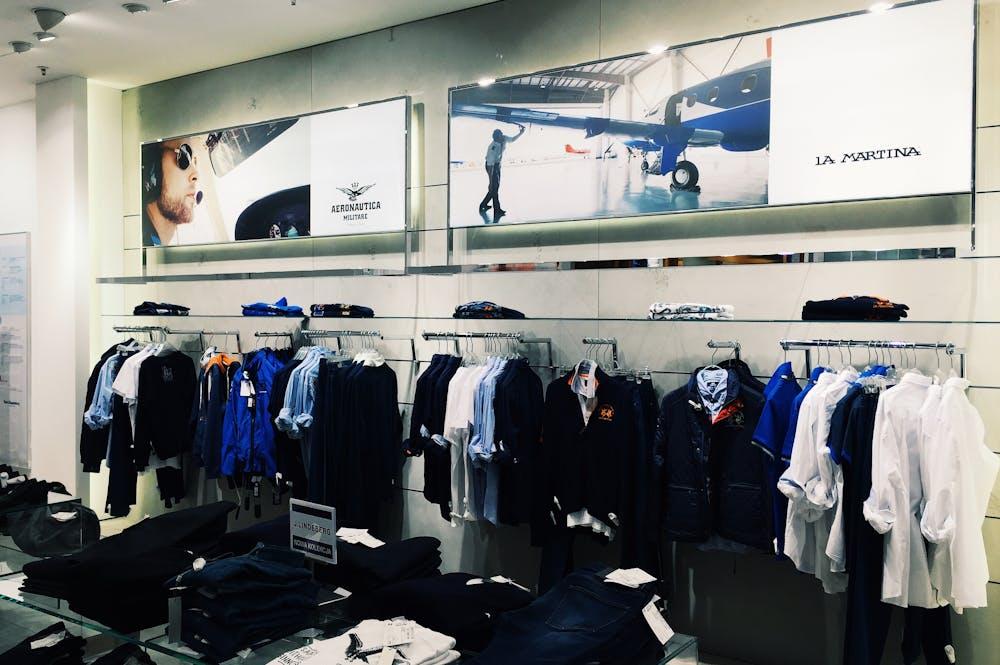
Effective retail loss prevention requires security personnel who can identify theft behaviors while blending seamlessly into the retail environment. PrimeGuards employs undercover loss prevention officers who pose as shoppers, stock personnel, or sales associates while actively monitoring customer behavior, identifying shoplifting techniques, and documenting theft incidents for prosecution and recovery purposes.
Our loss prevention officers receive specialized training in theft detection that includes recognizing concealment methods, identifying booster bags, detecting price switching, and observing coordinated theft activities conducted by organized retail crime groups. They understand the legal requirements for observation and documentation, ensuring that apprehensions are based on solid evidence that supports criminal prosecution and civil recovery actions. Undercover officers use covert communication systems to coordinate with uniformed security personnel who conduct apprehensions, minimizing disruption to legitimate customers while maximizing theft prevention effectiveness.
Advanced Monitoring and Digital Evidence Collection
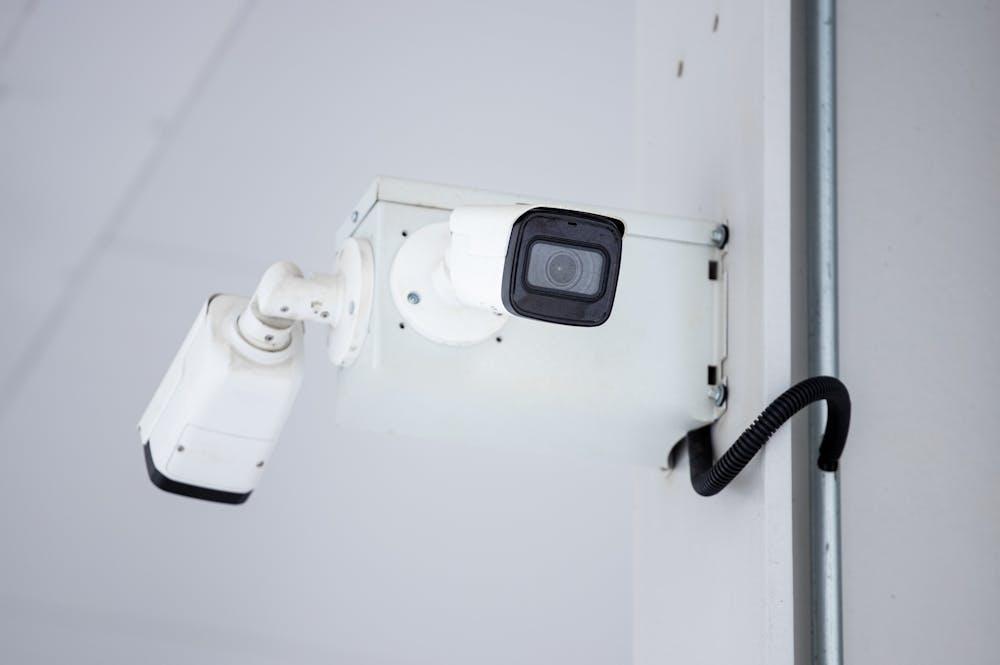
Modern retail loss prevention integrates advanced surveillance technology with human observation to create comprehensive monitoring systems that detect theft, document incidents, and provide evidence supporting prosecution and recovery efforts. PrimeGuards implements high definition CCTV systems, point of sale monitoring, and digital evidence management platforms that enhance traditional loss prevention methods with technological capabilities.
Our surveillance camera systems provide complete store coverage with strategically placed cameras that eliminate blind spots, monitor high theft areas, and record activities at entrances, exits, and cash handling locations. We utilize advanced analytics including facial recognition for known shoplifters, license plate capture for vehicles used in organized retail crime, and behavioral analysis that identifies suspicious activities before theft occurs. Remote monitoring capabilities allow our loss prevention command center to oversee multiple locations simultaneously, providing real time alerts when incidents develop.
Point of sale monitoring integrates with your register systems to identify fraudulent transactions, employee theft through voids and discounts, and sweethearting where employees provide unauthorized discounts to friends and family.
Employee Theft Investigation and Internal Shrinkage
Employee theft accounts for 30 to 40 percent of retail inventory losses, with dishonest staff stealing through merchandise theft, cash register manipulation, fraudulent returns, and collusion with external shoplifters. PrimeGuards provides comprehensive internal theft investigation services that identify dishonest employees, document theft methods, and gather evidence supporting termination decisions, criminal prosecution, and civil recovery actions.
Our investigators conduct undercover operations that place loss prevention officers within your workforce to observe employee behavior, identify theft patterns, and document dishonest activities. We analyze inventory discrepancies, audit cash handling procedures, and investigate unusual transaction patterns that indicate employee theft. Background investigations on employees in key positions reveal previous criminal history, financial problems, or integrity issues that could indicate theft risk, while pre-employment screening prevents hiring individuals with theft related convictions.
Customer Service Based Loss Prevention
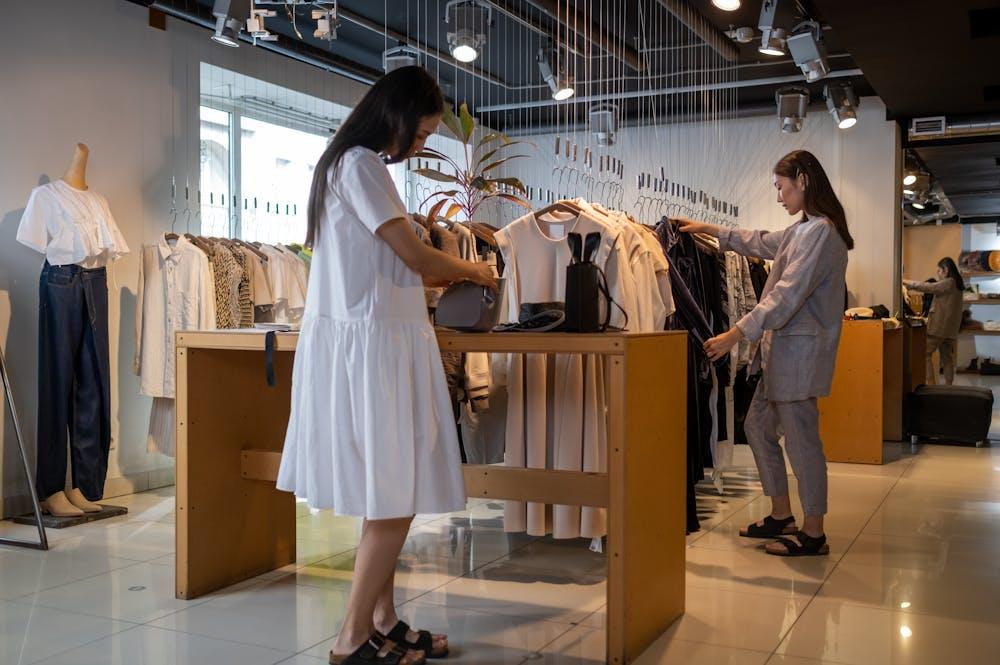
Effective retail loss prevention balances security effectiveness with positive customer experience, ensuring that legitimate shoppers feel welcome while dishonest individuals understand that theft will not be tolerated. PrimeGuards trains loss prevention officers in customer service based prevention techniques that use greeting, engagement, and presence to deter theft while maintaining shopping environments that support sales and customer loyalty.
Our officers learn to approach suspicious individuals with customer service offers that communicate presence and awareness without creating uncomfortable confrontations. Simple greetings, offers of assistance, and proximity presence often deter amateur shoplifters who abandon theft plans when they realize they are being observed. Professional apprehension techniques ensure that when theft does occur, our officers conduct stops in a manner that minimizes disruption to other customers, protects your store’s reputation, and reduces liability exposure from improper detention claims.
When apprehensions become necessary, our officers follow strict protocols that include proper identification, clear communication of reasons for detention, and professional treatment of individuals that maintains dignity while enforcing store policies.

Professional Retail Loss Prevention Security Services: The Complete Guide
YMYL Safety Compliance: This retail loss prevention guide addresses theft prevention, employee integrity, and retail security standards. All information reflects 2026 industry benchmarks, state licensing requirements, and professional security association guidelines.
Expert Review Panel: This guide was authored by PrimeGuards’ Director of Operations and reviewed by certified loss prevention specialists, retail security consultants, and liability insurance professionals with combined 35+ years in retail asset protection.
Last reviewed: April 2026 | Next scheduled review: December 2026
The Scale of Retail Shrinkage
Retail shrinkage costs American businesses over $100 billion annually. That number represents not just stolen merchandise but also administrative errors, vendor fraud, and damaged goods that never reach the sales floor. For a retailer doing $10 million in annual revenue, a 1.5% shrinkage rate means $150,000 in lost inventory. That is money that could have funded expansion, improved wages, or reduced prices for customers.
Shrinkage comes from three primary sources. External theft, primarily shoplifting, accounts for roughly 36% of total losses. Internal theft by employees accounts for another 30% to 40%. Administrative errors, including paperwork mistakes, mispriced items, and vendor billing discrepancies, make up the remainder. Professional loss prevention addresses all three sources, not just the visible problem of shoplifters walking out the door.
Loss prevention is not a security expense. It is profit protection. Every dollar recovered through professional loss prevention drops directly to the bottom line. A retailer who reduces shrinkage from 2% to 1% on $5 million in sales adds $50,000 in profit without selling a single additional item. That is why major retailers invest heavily in loss prevention programs and why smaller retailers who ignore shrinkage are leaving money on the floor.
Types of Retail Loss Prevention Services
Undercover Loss Prevention Officers
Undercover loss prevention officers work in plain clothes, blending into the shopping environment while maintaining constant surveillance for theft activity. They position themselves near high-theft merchandise, monitor fitting rooms, and observe customer behavior for concealment indicators. When they identify a shoplifter, they document the incident, maintain visual contact, and coordinate with uniformed security or management for apprehension.
The value of undercover officers is their invisibility. Shoplifters who believe they are unobserved take more risks, conceal larger quantities, and expose themselves to apprehension. A visible uniformed guard creates deterrence but also drives sophisticated thieves to wait for shift changes or target blind spots. Undercover officers catch the thieves who think they have already won.
Uniformed Floor Security
Uniformed loss prevention officers provide visible deterrence at store entrances, near high-value merchandise, and in areas prone to theft activity. Their presence alone prevents many incidents before they start. Amateur shoplifters, impulse thieves, and opportunistic juveniles typically abandon concealment attempts when they see a uniformed officer watching the area.
Beyond deterrence, uniformed officers handle customer service functions that support sales while maintaining security awareness. They greet customers, provide directions, assist with carry-outs, and respond to medical emergencies. This dual role makes them valuable team members rather than security obstacles. Customers who feel safe and assisted spend more time in the store and make larger purchases.
CCTV and Surveillance Monitoring
Modern loss prevention relies heavily on technology. High-definition CCTV cameras cover sales floors, stockrooms, receiving docks, and cash handling areas. Remote monitoring allows loss prevention teams to watch multiple locations simultaneously, identifying theft activity in real time and dispatching floor officers for apprehension. POS integration flags suspicious transactions including excessive voids, refunds without receipts, and sweethearting where cashiers deliberately undercharge friends or family.
Organized Retail Crime Response
Organized retail crime (ORC) has evolved beyond individual shoplifters into coordinated operations involving multiple assailants, professional boosters, and fencing networks that resell stolen merchandise online and through black-market channels. ORC teams target high-value, easily resold items including electronics, designer goods, over-the-counter medications, and infant formula. Professional loss prevention programs include ORC-specific training that teaches officers to recognize coordinated theft patterns, identify repeat offenders, and build cases that support law enforcement prosecution.
| Service Type | Primary Function | Theft Type Addressed | Cost Factor |
|---|---|---|---|
| Undercover Officers | Plainclothes surveillance and apprehension coordination | Shoplifting, fitting room theft, concealment | Moderate to High |
| Uniformed Floor Security | Visible deterrence and customer service | Amateur theft, opportunistic shoplifting | Base rate |
| CCTV / Surveillance | Remote monitoring and evidence collection | All theft types, employee monitoring | Technology + personnel |
| Employee Investigation | Undercover ops, transaction analysis, audits | Internal theft, sweethearting, fraud | High |
| ORC Response | Coordinated theft detection and law enforcement liaison | Organized retail crime, professional boosters | Premium |
Shoplifting Detection and Apprehension
Behavioral Indicators and Concealment Methods
Professional loss prevention officers learn to read behavior. Shoplifters exhibit patterns that experienced officers recognize immediately. Excessive nervousness, repeated scanning for security presence, carrying empty bags into the store, wearing oversized clothing in warm weather, and lingering in blind spots without making purchasing decisions are all indicators that warrant attention. Concealment methods include bag lining, booster boxes, switching price tags, and wearing stolen merchandise under existing clothing.
The fitting room is a primary concealment location. Thieves enter with multiple items, conceal some under clothing, and return fewer items than they brought in. Professional officers count items entering and exiting fitting rooms, check for security tag removal, and maintain awareness of customers who make repeated fitting room visits without purchases.
The Five Elements of Proof
Legal apprehension of a shoplifter requires five elements of proof. The officer must observe the subject approach the merchandise, select the item, conceal or carry away the item, maintain uninterrupted observation, and observe the subject pass all points of payment without paying. Missing any of these elements creates legal exposure for false arrest claims. PrimeGuards trains all loss prevention personnel in these standards and requires that every apprehension be documented with specific observations supporting each element.
PrimeGuards Apprehension Standards:
- Approach: Subject moves toward merchandise with apparent intent to select
- Selection: Subject handles, examines, or removes item from display
- Concealment: Subject hides item on person, in bag, or in container
- Uninterrupted Observation: Officer maintains visual contact from selection to exit
- Passing Points of Payment: Subject exits store or secure area without attempting payment
Technology in Modern Loss Prevention
HD CCTV and Facial Recognition
High-definition CCTV has transformed loss prevention by providing clear evidence of theft activity that withstands legal challenge. Modern cameras capture facial features, concealment actions, and merchandise identification with sufficient clarity to support prosecution. Facial recognition technology allows retailers to identify repeat offenders automatically, alerting loss prevention teams when known shoplifters enter the store.
POS Monitoring and Transaction Analysis
Point-of-sale monitoring software flags suspicious transactions including excessive voids, refunds without receipts, manual price overrides, and transactions where the cashier and customer share a surname or address. These indicators suggest sweethearting, where employees deliberately undercharge friends or family, or direct theft where employees process fake refunds and pocket the cash. Transaction analysis has become one of the most effective tools for identifying internal theft.
Retail Shrinkage Statistics
The National Retail Federation reports that shrinkage cost the U.S. retail industry $112 billion in 2025, representing approximately 1.6% of total retail sales. External theft accounts for 36% of losses, internal theft for 30%, and administrative error for 21%. Organized retail crime operations have increased 26% year-over-year, with average ORC incidents involving $2,000 to $5,000 in stolen merchandise per event. Retailers with professional loss prevention programs report shrinkage rates 40% to 60% lower than retailers without dedicated loss prevention coverage.
“The most effective loss prevention programs combine technology, trained personnel, and management commitment. Cameras catch thieves, but only trained officers can apprehend them safely. Only management commitment can sustain the program when apprehension numbers create pressure to reduce staffing. Loss prevention is a business function, not a security afterthought.”
— Retail Asset Protection Standards, ASIS International
Employee Theft and Internal Shrinkage
Employee theft represents 30% to 40% of total retail shrinkage, making it the single largest controllable source of loss. Unlike external shoplifters who must conceal merchandise and escape the store, employees have legitimate access to stockrooms, registers, and inventory systems. They understand security procedures, know camera locations, and can manipulate transactions without triggering immediate suspicion.
Common employee theft methods include sweethearting at the register, processing fake refunds and pocketing cash, stealing merchandise from receiving areas before it reaches the sales floor, and manipulating inventory records to hide shortages. Professional loss prevention addresses internal theft through transaction monitoring, undercover employee investigations, inventory audits, and pre-employment background screening that identifies candidates with theft histories.
| Theft Method | How It Works | Detection Technique | Prevention Strategy |
|---|---|---|---|
| Sweethearting | Cashier undercharges friends or family at register | POS monitoring for price overrides and void patterns | Manager approval for discounts, CCTV at registers |
| Fake Refunds | Employee processes refund for non-existent return and pockets cash | Transaction analysis for refunds without matching sales | Refund verification requirements, receipt mandates |
| Stockroom Theft | Employee removes merchandise before it reaches sales floor | Inventory audits, receiving dock cameras, bag checks | Controlled stockroom access, periodic cycle counts |
| Inventory Manipulation | Employee alters inventory records to hide shortages | System audits, discrepancy analysis, physical counts | Segregated duties, management oversight of adjustments |
PrimeGuards Loss Prevention Standards
Retail-Specific Recruitment and Training
PrimeGuards recruits loss prevention officers from retail backgrounds, security professionals with loss prevention experience, and candidates who demonstrate the observation skills and judgment that retail environments require. Every officer completes training in the five elements of proof, safe apprehension techniques, de-escalation, and customer service standards that maintain positive shopping experiences while preventing theft.
Undercover officers receive additional training in behavioral analysis, concealment detection, and evidence documentation that supports prosecution. They learn to blend into shopping environments, maintain cover stories, and coordinate with uniformed teams for apprehension without compromising their identity. The effectiveness of an undercover program depends entirely on the officer’s ability to remain invisible until the moment of apprehension.
PrimeGuards Loss Prevention Standards:
- Retail Experience: Officers recruited from retail, security, and loss prevention backgrounds
- Apprehension Certification: Training in five elements of proof, safe restraint, and legal compliance
- Undercover Expertise: Plainclothes operations with behavioral analysis and evidence documentation
- Technology Integration: CCTV monitoring, POS analysis, and real-time alert coordination
- ORC Response: Organized retail crime detection, repeat offender identification, and law enforcement liaison
- Customer Service Focus: Professional interaction standards that support sales while maintaining security
PrimeGuards Vetting Standards:
 Background Investigation — FBI fingerprint check, state criminal history, and employment verification
Retail Experience — Prior work in retail, security, or loss prevention preferred
Drug Screening — Pre-employment and random testing protocols
Legal Compliance Training — State-specific apprehension laws and use-of-force standards
Ongoing Supervision — Field inspections, performance reviews, and shrinkage metric tracking
Frequently Asked Questions
How much does retail loss prevention security cost?
Retail loss prevention typically ranges from $28 to $48 per hour for uniformed floor officers and $35 to $55 per hour for undercover loss prevention specialists. Technology-enabled programs with CCTV monitoring and POS analysis may include additional equipment and software costs. Long-term contracts for multiple locations often qualify for volume discounts of 15% to 25%. PrimeGuards provides itemized proposals that break down personnel costs, technology fees, and supervision expenses. Most retailers recover the full cost of loss prevention through shrinkage reduction within the first six months of implementation.
Can loss prevention officers physically detain shoplifters?
Loss prevention officers may use reasonable physical force to detain shoplifters when all five elements of proof are satisfied and state law permits merchant detention. However, the standard for reasonable force is strict. Officers must use the minimum force necessary to prevent escape and must release the subject once police arrive or the merchandise is recovered. Excessive force, including strikes, chokeholds, or prolonged restraint, creates civil and criminal liability for both the officer and the retailer. PrimeGuards trains all personnel in safe apprehension techniques that comply with state merchant detention statutes and minimize injury risk.
What is organized retail crime and how do you address it?
Organized retail crime (ORC) involves coordinated theft operations where professional boosters steal merchandise for resale through fencing networks, online marketplaces, and black-market channels. ORC teams target high-value, easily resold items and often operate across multiple stores and states. PrimeGuards addresses ORC through specialized training that teaches officers to recognize coordinated theft patterns, identify repeat offenders through facial recognition and database cross-referencing, and build cases that support law enforcement prosecution. We also coordinate with other retailers and law enforcement task forces to share intelligence and disrupt ORC networks.
How do undercover loss prevention officers avoid being detected?
PrimeGuards undercover officers are trained to blend into shopping environments through appropriate dress, natural shopping behaviors, and cover stories that explain their presence in the store. They avoid patterns that would identify them as security, such as standing in the same location for extended periods, following subjects too closely, or appearing overly interested in security equipment. Officers rotate between stores, change their appearance, and coordinate with management to ensure that store employees do not inadvertently reveal their identity. The effectiveness of an undercover program depends entirely on maintaining invisibility until the moment of apprehension.
Can loss prevention programs reduce employee theft?
Yes. Professional loss prevention programs address employee theft through multiple channels. POS monitoring software flags suspicious transactions including excessive voids, refunds without receipts, and price overrides. Undercover employee investigations identify workers who are stealing merchandise or manipulating inventory records. Pre-employment background screening identifies candidates with prior theft convictions or termination histories. Visible security presence including cameras and uniformed officers creates deterrence that discourages internal theft before it starts. Retailers with comprehensive loss prevention programs typically see internal theft reductions of 50% or more within the first year.
How quickly can PrimeGuards deploy loss prevention coverage?
Standard loss prevention deployments typically require 48 to 72 hours from contract signing to first officer shift. This allows time for store orientation, merchandise familiarization, and scheduling coordination. Technology integration including CCTV monitoring setup and POS analysis configuration may require additional lead time depending on system complexity. Emergency deployments for urgent shrinkage crises can sometimes be arranged within 24 hours. PrimeGuards maintains trained loss prevention personnel across multiple states to ensure rapid deployment capability for retail clients.
Professional Retail Loss Prevention Services
Protect your inventory, your profits, and your business with PrimeGuards’ trained, experienced, and professionally managed retail loss prevention team. Customized coverage for every retail format and shrinkage challenge.
Request Your Free Shrinkage Assessment
Undercover and uniformed officers | ORC specialists | Technology integration | Proven ROI
Disclaimer: This guide provides general information regarding retail loss prevention security services, merchant detention standards, and shrinkage reduction practices based on common industry practices as of 2026. Specific state laws regarding merchant detention, use of force, and citizen’s arrest vary dramatically by jurisdiction and may change as regulations are updated. Shoplifter apprehension involves significant legal, civil, and criminal liability exposure that requires consultation with qualified legal counsel and insurance professionals. This content does not constitute legal advice or professional security recommendations specific to your situation. Always consult your state’s licensing authority, qualified attorneys, and your insurance provider before implementing loss prevention apprehension programs.
Nationwide Retail Loss Prevention Security Guard Coverage
PrimeGuards provides professional loss prevention security guard services across the United States. Our certified loss prevention security guards are available for immediate deployment in all major metropolitan areas including:
West Coast: Los Angeles, San Diego, San Francisco, San Jose, Phoenix, Las Vegas, Seattle, Portland, Sacramento, Oakland
Texas & Southwest: Houston, Dallas, Fort Worth, Austin, San Antonio, El Paso, Albuquerque, Tucson
Midwest: Chicago, Aurora, Naperville, Indianapolis, Detroit, Columbus, Cleveland, Cincinnati, Milwaukee, Madison
Southeast: Atlanta, Miami, Jacksonville, Tampa, Orlando, Charlotte, Raleigh, Charleston, Columbia, Savannah
Northeast: New York City, Buffalo, Newark, Jersey City, Philadelphia, Pittsburgh, Boston, Worcester, Baltimore, Washington DC
Don’t see your city? We cover all 50 states. View complete service area list or contact us for immediate coverage.

Armed & Unarmed Security
We deliver personalized security services designed to fit your specific requirements.
Certified Security Guards
Our certified security guards are extensively trained to tackle any security post.
Fully Licensed Security Officers
Our licensed and insured security guards are managed by law enforcement officers.
Loss Prevention Security Services
We provide security services that are uniquely tailored to your business. Contact us.
FAQ’s
Request more information now
Support Email
info@primeguards.com
talk to our agent
Live Chat Now
Request more information now
Support Email
info@primeguards.com
talk to our agent
Live Chat Now