
Perimeter Protection During Tenting
When a building gets tented for fumigation, the structure is wrapped in tarps and left empty for two to three days. That is a long time for a property to sit unguarded. Thieves know that fumigation tents create blind spots. They cut through the tarp, enter through gaps, and steal whatever is inside. Copper wire, appliances, electronics, and tools all disappear because the tent blocks the view from the street.
PrimeGuards provides perimeter security officers who monitor the tented structure around the clock. They walk the perimeter, check for cuts or tears in the tarp, and challenge anyone who approaches the property. A visible guard at a fumigation site tells criminals to move on. The tent protects against termites. The guard protects against theft.

Chemical Safety and Fire Watch
Fumigation chemicals are toxic and flammable. The process requires heat, ventilation equipment, and temporary electrical setups that create fire risk. Most fumigation companies do not provide overnight fire monitoring. They set up the tent, release the gas, and leave. If a fire starts inside the tent, nobody knows until the neighbors see smoke.
PrimeGuards fire watch officers patrol fumigation sites specifically for heat signatures, electrical malfunctions, and ventilation failures. They carry extinguishers and maintain logs that satisfy fire marshal requirements. They also verify that warning signs stay posted and that no one enters the structure before the all clear. Chemical safety is not optional. A fire watch guard makes sure the fumigation company does their job and your property stays safe while they do it.
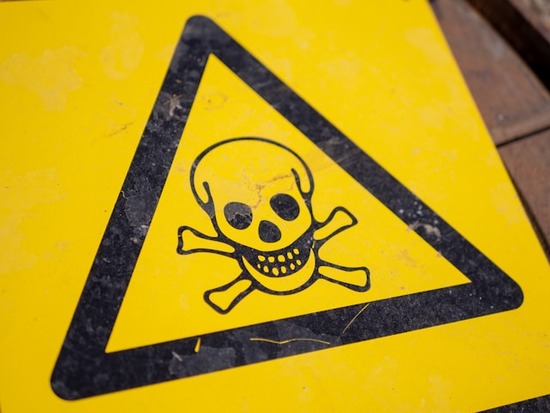
Vacant Property Protection
A fumigated building is empty for 48 to 72 hours. The residents are in a hotel, the employees are at home, and the property is sitting there vulnerable. Squatters look for empty buildings, vandals look for easy targets, and sometimes curious neighbors peek inside the tent to see what is happening.
PrimeGuards officers secure the property during the entire fumigation cycle. They verify that all doors and windows remain sealed, they check that the warning placards are visible, and they prevent unauthorized entry before the structure is cleared for reoccupancy. An officer who stops a squatter or a vandal on day one saves the property owner from cleanup costs, repairs, and liability claims on day three. Empty buildings need active security because fumigation tents do not lock themselves.

Equipment and Chemical Storage Security
Fumigation crews leave expensive equipment on site. Fans, hoses, chemical tanks, and monitoring devices sit in the driveway or yard overnight. This equipment is specialized and costly to replace, and it is also a target for theft because it is portable and easy to sell.
PrimeGuards officers protect fumigation equipment during the entire treatment period. They verify that tanks and tools are secured at the end of each workday, they check that vehicles are locked, and they make sure no equipment is left exposed. They also monitor the chemical storage area to prevent tampering. If equipment gets stolen, the fumigation company cannot finish the job, which delays the project and costs everyone money. A security guard who watches the equipment protects the timeline as much as the property.

Why Fumigation Sites Need Professional Security
Construction and Facility Security Director at PrimeGuards
22 years in site protection and hazardous facility security, Certified Construction Security Officer, former site security manager for commercial and industrial properties
When a building is tented for fumigation, it becomes one of the most vulnerable properties on the block. The residents are gone. The employees are gone. The usual security measures are disabled. Burglar alarms are turned off because the tent blocks the sensors. Exterior lights are covered. Security cameras are blinded by the tarp. And the structure sits there for 48 to 72 hours with nobody inside and nobody watching. This is not a theoretical risk. Law enforcement agencies across the country have documented fumigation tent break-ins where thieves cut through the tarp, enter the structure, and steal copper wire, appliances, electronics, and anything else they can carry. The tent that protects the building from termites also protects criminals from being seen.
But theft is only one of the risks. Fumigation chemicals are toxic and flammable. The process requires heat, ventilation equipment, and temporary electrical setups that create fire hazards. OSHA requires hazardous atmosphere monitoring. EPA mandates aeration periods before reoccupancy. And fire marshals require continuous fire watch when the building’s alarm and sprinkler systems are offline. Most fumigation companies do not provide overnight security or fire monitoring. They set up the tent, release the gas, and leave. The property owner is left with an empty building full of poison, a disabled alarm system, and a tarp that blocks every window. PrimeGuards provides professional security specifically designed for fumigation sites. We protect the property from theft, fire, and unauthorized entry while the building is treated and while it aerates. Here is what that protection looks like.
Understanding the Fumigation Security Gap
Most property owners do not think about security when they schedule fumigation. They think about the termites, the cost, and where they are going to stay for three days. What they do not think about is the fact that their house or building will be completely undefended during that time. This is understandable. Fumigation is a pest control procedure, not a security event. But the security implications are severe and they are well documented.
The Lakewood Sheriff’s Department in California has issued public warnings about fumigation burglaries. They specifically advise property owners to disable burglar alarms before tenting because the tarp blocks the sensors and triggers false alarms. They also advise turning off exterior lights because the tent covers them. These are necessary safety measures for the fumigation process, but they also remove the two most basic security features that most properties rely on. The result is a building that cannot see, cannot alert, and cannot defend itself. Thieves know this. They scout neighborhoods for tented properties because they know those buildings are soft targets. A single fumigation tent on a residential street signals to every criminal in the area that this house is empty and unprotected.
The security gap is even wider for commercial buildings. A warehouse, office, or industrial facility undergoing fumigation may contain equipment, inventory, and materials worth hundreds of thousands of dollars. The fumigation tent covers the entire structure, including loading docks, side doors, and roof access points. A thief with a ladder and a box cutter can enter through the roof or cut through the tarp at ground level. Without security, the theft may not be discovered until the fumigation company returns to remove the tent days later. By then, the evidence is gone, the insurance claim is complicated, and the business has suffered losses that go far beyond the value of the stolen items.
Key Risk: Fumigation tents disable standard security systems. Burglar alarms are turned off, exterior lights are covered, and cameras are blinded. The property is left empty for 48 to 72 hours with no active monitoring. This creates a documented vulnerability that criminals actively exploit.
Theft Prevention During Fumigation Cycles
Theft prevention at a fumigation site requires physical presence. Cameras cannot see through tarps. Alarms cannot trigger through tents. Motion sensors are disabled. The only security measure that works is a human being who walks the perimeter, checks the tarp for cuts, and challenges anyone who approaches. PrimeGuards officers provide this presence around the clock during the entire fumigation cycle.
Our officers start with a perimeter walk before the tent goes up, identifying the property’s normal access points, vulnerable areas, and sight lines from the street. Once the tent is installed, they conduct regular patrols that check for cuts, tears, or gaps in the tarp while looking for footprints, tire tracks, and other signs of unauthorized approach. They verify that ladders, scaffolding, and other equipment left by the fumigation crew are secured, and they maintain a visible presence that tells criminals this property is watched.
The deterrence effect is immediate and measurable. A property with a uniformed security officer or a marked patrol vehicle is significantly less likely to be targeted than a property with no visible security. Criminals look for the path of least resistance. A tented house with a guard is no longer the path of least resistance. The house next door without a guard becomes the better target. This is not about catching thieves in the act. It is about making your property the one they skip.
Officers also protect the property after the fumigation is complete but before reoccupancy. The EPA requires a mandatory aeration period after fumigation before anyone can reenter the structure. During this aeration period, the building is still tented, still empty, and still vulnerable. PrimeGuards maintains security coverage through the entire cycle, from tent installation to aeration completion to final clearance.
PrimeGuards Fumigation Security Protocol
- Pre-tenting site assessment and vulnerability identification
- 24/7 perimeter patrol during the entire fumigation cycle
- Tarp integrity checks for cuts, tears, and unauthorized entry points
- Equipment and chemical storage monitoring
- Fire watch and hazardous atmosphere observation
- Post-fumigation aeration period security coverage
- Reoccupancy clearance verification and documentation
Fire Watch and Chemical Safety Compliance
Fumigation creates fire risks that most property owners do not consider. The chemicals used in structural fumigation, including sulfuryl fluoride and methyl bromide, are flammable and toxic. The fumigation process requires heating equipment, ventilation fans, and temporary electrical connections that run continuously for days. The building’s normal fire alarm and sprinkler systems are offline because the tent blocks the sensors and the gas would trigger the system. This means that if a fire starts inside the tent, there is no automatic detection and no automatic suppression.
OSHA Standard 1917.25 specifically addresses hazardous atmospheres and fumigation operations. It requires that employers provide a trained designated person to monitor the operation, that warning signs be posted at all entrances, and that employees not be exposed to hazardous concentrations of fumigants. The Florida Department of Agriculture and Consumer Services fumigation manual requires that two trained persons be present during fumigant introduction, both equipped with self-contained breathing apparatus. These regulations exist because fumigation is dangerous. And the danger does not end when the fumigation crew leaves for the day.
PrimeGuards fire watch officers are trained to monitor fumigation sites for the specific hazards that fumigation creates. They patrol for heat signatures, electrical malfunctions, and ventilation failures while verifying that warning signs remain posted at all entrances and that no one enters the structure before the all clear is given. They maintain logs that document every patrol, every observation, and every action taken. These logs satisfy fire marshal inspection requirements and provide the documentation that insurance companies and regulators expect.
A fire at a fumigation site is catastrophic. The chemicals inside the tent accelerate combustion. The tarp traps heat and smoke. And the lack of automatic suppression means that a small fire becomes a large fire before anyone knows it exists. A fire watch officer who spots a problem early can call the fire department, attempt initial suppression with a portable extinguisher, and prevent the total loss of the structure. This is not a hypothetical scenario. Fumigation fires have destroyed buildings and caused injuries. Professional fire watch is the layer of protection that prevents these incidents from becoming disasters.
“Fumigation operations require continuous monitoring for hazardous atmospheres and fire risks. The absence of standard fire detection systems during tenting creates a critical safety gap that must be addressed through trained fire watch personnel.”
— Occupational Safety and Health Administration, Hazardous Atmosphere Standards
Equipment and Chemical Storage Protection
Fumigation crews leave valuable equipment on site. Fans, hoses, chemical tanks, monitoring devices, and scaffolding all sit in the driveway or yard for the duration of the treatment. This equipment is specialized, expensive, and easy to sell. A thief with a pickup truck can load thousands of dollars in fumigation gear in minutes and be gone before anyone notices. The fumigation company may have insurance, but that insurance does not cover the project delays that occur when the crew cannot finish the job because their equipment is gone.
PrimeGuards officers protect fumigation equipment as carefully as they protect the building itself. They verify that all tools and tanks are secured at the end of each workday, they check that vehicles are locked and that no equipment is left exposed overnight, and they monitor the chemical storage area to prevent tampering, theft, or accidental exposure. They also document the condition of all equipment at the beginning and end of each security shift. This documentation protects both the property owner and the fumigation company from disputes about missing or damaged items.
Chemical theft is a specific concern that most people do not think about. Fumigation chemicals are restricted use pesticides. They are regulated by the EPA and require licensed applicators to handle them. If these chemicals are stolen from an unsecured site, they can be used illegally, sold on the black market, or disposed of improperly. The environmental and legal consequences of a chemical theft extend far beyond the immediate financial loss. A security officer who monitors chemical storage prevents these secondary risks by ensuring that restricted materials stay where they belong.
Vacant Property and Reoccupancy Safety
A fumigated building is empty for 48 to 72 hours. The residents are in a hotel, the employees are at home, and the property sits there with no one to notice if something goes wrong. Squatters look for empty buildings, vandals look for easy targets, and sometimes curious neighbors peek inside the tent to see what is happening. Each of these scenarios creates liability for the property owner. A squatter who gets injured inside the tent can sue. A vandal who damages the property can cost thousands in repairs. And a neighbor who enters the structure before it is cleared can be exposed to toxic gas.
PrimeGuards officers secure the property during the entire fumigation cycle. They verify that all doors and windows remain sealed, they check that warning placards are visible at every entrance, and they prevent unauthorized entry before the structure is cleared for reoccupancy. They also coordinate with the fumigation company to verify that the aeration process is complete and that the building is safe to enter. An officer who stops a squatter or a vandal on day one saves the property owner from cleanup costs, repairs, and liability claims on day three.
The reoccupancy clearance is a critical safety step that should not be rushed. The EPA requires that structures be aerated until fumigant concentrations drop below safe levels before anyone reenters. This aeration period can take hours or days depending on the building size, ventilation rate, and weather conditions. A security officer who monitors the site during aeration ensures that no one enters prematurely. They verify that the fumigation company has conducted proper testing and that the all clear has been officially given. This verification protects the property owner from liability if someone gets sick after reentering a building that was not fully cleared.
Fumigation Site Risk Factors and Security Coverage
| Risk Factor | Why It Matters | Security Solution |
| Disabled alarm systems | Tent blocks sensors, alarms must be turned off | Physical patrol and perimeter monitoring |
| Covered exterior lights | Tent blocks lighting, creates dark areas | Portable lighting and officer visibility |
| Blinded cameras | Tarp obstructs camera views | Human observation and documentation |
| Fire hazard | Chemicals are flammable, sprinklers offline | Certified fire watch with extinguishers |
| Equipment theft | Specialized gear left on site overnight | Equipment verification and storage checks |
| Chemical tampering | Restricted pesticides are regulated | Chemical storage area monitoring |
| Unauthorized entry | Squatters, vandals, curious neighbors | Access control and trespass prevention |
| Premature reoccupancy | EPA requires aeration before reentry | Clearance verification and documentation |
How PrimeGuards Structures Fumigation Security Programs
Every fumigation site is different. A single family home in a residential neighborhood has different risks than a warehouse in an industrial park. A hotel undergoing fumigation has different access points than a historic building with multiple wings. PrimeGuards does not use a one size fits all approach. We assess each site individually and design a security program that matches the specific risks.
The process starts with a site assessment before the tent goes up. We walk the property with the owner or manager and identify the vulnerabilities that fumigation will create. We look at the perimeter, the access points, the equipment staging area, and the sight lines from the street. We review the fumigation company’s schedule to understand when the tent will be installed, when the gas will be released, and when the aeration will begin. We coordinate with the fumigation crew to make sure our security plan does not interfere with their work.
Based on this assessment, we recommend a security program that may include static guards at the entrance, mobile patrol around the perimeter, fire watch officers for hazardous atmosphere monitoring, or a combination of all three. We provide 24/7 coverage for the entire fumigation cycle, including the aeration period. Our officers use GPS tracking to document every patrol, and we provide daily reports to the property owner and the fumigation company.
The program ends when the building is cleared for reoccupancy. Our officers verify that the fumigation company has conducted proper testing, that the warning signs have been removed, and that the structure is safe to enter. We provide a final report that documents the entire security cycle. This report is valuable for insurance purposes, regulatory compliance, and peace of mind.
Frequently Asked Questions About Fumigation Security
Fumigation Security FAQs
Do I really need security during fumigation?
Yes. Fumigation tents disable your normal security systems. Alarms are turned off, lights are covered, and cameras are blinded. The building is empty for 48 to 72 hours. Law enforcement agencies have documented fumigation burglaries specifically because criminals know these properties are vulnerable. Professional security is the only protection that works during this period.
What does a fire watch officer do at a fumigation site?
Fire watch officers patrol for heat signatures, electrical malfunctions, and ventilation failures. They carry extinguishers and maintain logs that satisfy fire marshal requirements. They verify that warning signs remain posted and that no one enters the structure before the all clear. They are the active safety layer that replaces your disabled automatic fire systems.
How long does security coverage last?
PrimeGuards provides coverage for the entire fumigation cycle, from tent installation through the treatment period to the aeration period and final reoccupancy clearance. We do not leave until the building is safe to enter and the fumigation company has given the all clear.
Can the security officer enter the tented building?
No. Officers never enter a tented structure during fumigation or aeration. They monitor the exterior perimeter, check tarp integrity, and verify that all entry points remain sealed. If an emergency requires entry, only trained fumigation personnel with proper respiratory equipment may enter.
Does the fumigation company provide security?
Most fumigation companies do not provide security. Their job is pest control, not property protection. They may post warning signs and lock doors, but they do not monitor the site overnight. PrimeGuards fills this gap with professional security specifically trained for fumigation environments.
Methodology and Sources
✓ OSHA Standard 1917.25 – Hazardous Atmospheres and Fumigation Operations
✓ EPA Structural Fumigation Manual – Aeration and Reoccupancy Requirements
✓ Florida Department of Agriculture – Fumigation Safety and Training Standards
✓ Lakewood Sheriff’s Department – Public Safety Advisory on Fumigation Burglaries
✓ NFPA Fire Watch Standards for Buildings with Disabled Suppression Systems
✓ PrimeGuards Field Operations Data – Fumigation Site Incident Reports
Sources:
OSHA Standard 1917.25 – Hazardous Atmospheres and Fumigation
EPA Pesticide Safety and Fumigation Regulations
Florida Department of Agriculture – Fumigation Licensing
Nationwide Armed Security Guard Coverage
PrimeGuards provides professional armed security guard services across the United States. Our certified armed security guards are available for immediate deployment in all major metropolitan areas including:
West Coast: Los Angeles, San Diego, San Francisco, San Jose, Phoenix, Las Vegas, Seattle, Portland, Sacramento, Oakland
Texas & Southwest: Houston, Dallas, Fort Worth, Austin, San Antonio, El Paso, Albuquerque, Tucson
Midwest: Chicago, Aurora, Naperville, Indianapolis, Detroit, Columbus, Cleveland, Cincinnati, Milwaukee, Madison
Southeast: Atlanta, Miami, Jacksonville, Tampa, Orlando, Charlotte, Raleigh, Charleston, Columbia, Savannah
Northeast: New York City, Buffalo, Newark, Jersey City, Philadelphia, Pittsburgh, Boston, Worcester, Baltimore, Washington DC
Don’t see your city? We cover all 50 states. View complete service area list or contact us for immediate coverage.

Armed & Unarmed Security
We deliver personalized security services designed to fit your specific requirements.
Certified Security Guards
Our certified security guards are extensively trained to tackle any security post.
Fully Licensed Security Officers
Our licensed and insured security guards are managed by law enforcement officers.
Personalized Security Services
We provide security services that are uniquely tailored to your business. Contact us.
FAQ’s
Request more information now
Support Email
info@primeguards.com
talk to our agent
Live Chat Now
Request more information now
Support Email
info@primeguards.com
talk to our agent
Live Chat Now