Local Security Coverage With PrimeGuards
A lobby in a federal contractor’s office near the National Mall is not the same as a hotel lobby on Connecticut Avenue. We have staffed both. A classified facility near the Pentagon needs cleared officers who understand visitor credentialing and escort protocols. A Georgetown boutique needs someone who can spot organized retail theft without scaring tourists. A Capitol Hill property needs crowd management when protests shut down streets. We do not send the same person to all three posts.
The Metropolitan Police Department has roughly 3,144 officers as of early 2026, down from around 4,000 a decade ago. Crime dropped 18% in 2025, with homicides falling 32% to 127. But nonauto property crime remains stubbornly persistent, and opportunistic theft still hits commercial corridors. The National Guard deployment in August 2025 produced an additional 24% reduction in opportunistic property crime, but that is not a sustainable model for daily business operations. When your building sits three blocks from a federal agency and your lobby fills with lobbyists and protesters, you need security that understands DC protocols.
If your Washington business needs security that understands the local landscape, reach out to PrimeGuards and we will put a plan together.
On Site Security Guards in Washington, DC
On site security guards in Washington give a property something cameras and signs cannot. A real person can read the room, notice the door that keeps getting used the wrong way, and step in before a small issue turns into a call to management. We provide guard coverage for properties that need steady presence without turning the place into a checkpoint. Some posts include protecting federal buildings and government contractors throughout the National Mall corridor. We keep that local detail as its own clause so the finished page stays clean when the placeholders are filled.
Every property has a different reason for wanting a guard on site. One may need help with visitors who keep slipping past the front entrance. Another may have vendors using the wrong door, tenants asking for a stronger presence after hours, or managers tired of vague incident notes. We look at the layout, the schedule, the people who use the property, and the problems that keep repeating. Then we set the post around what actually happens there.
PrimeGuards keeps on site security practical. Our guards can watch entrances, support access rules, walk common areas, document incidents, and give managers clear updates after the shift. The tone matters as much as the coverage. A good guard should be alert without being cold, firm without being rude, and helpful without losing control of the post. That is the balance we bring to Washington properties.
Property Security Guards for Washington Owners and Managers
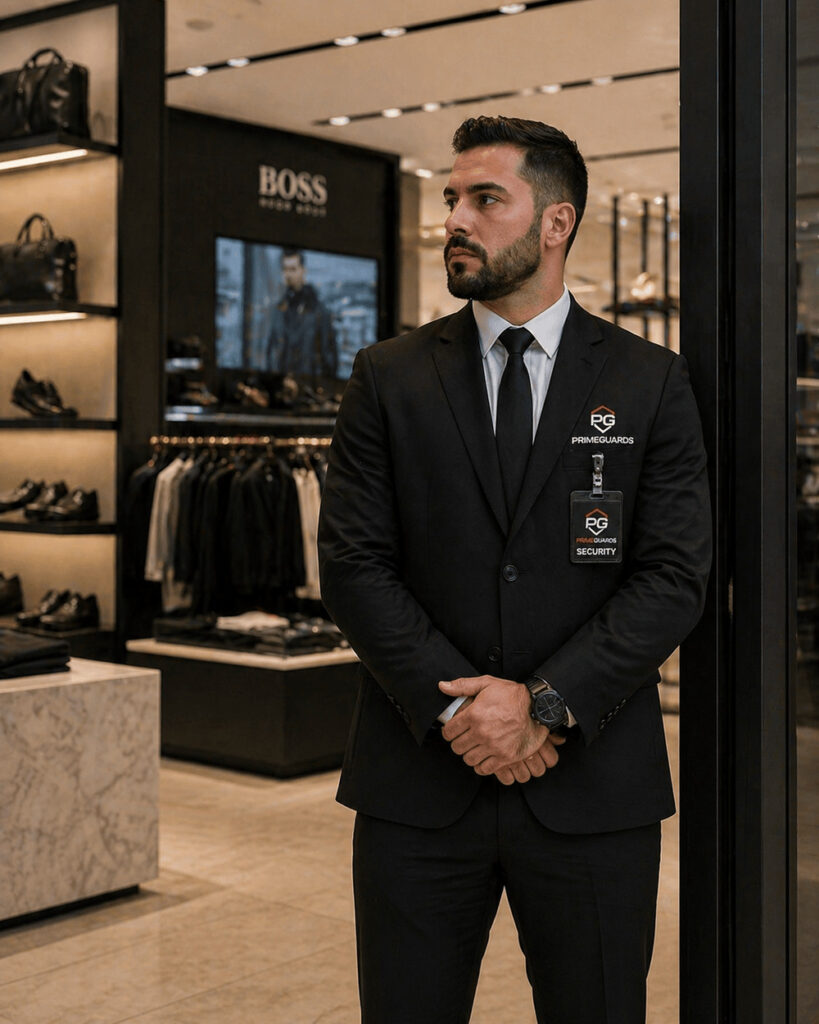
Owners and managers in Washington usually call after the same pattern shows up too many times. A door keeps getting propped open. A visitor cannot explain where they are going. A vendor shows up after hours with no clear approval. A tenant says the side entrance feels unsafe. Property security guards help break that pattern by giving the building a steady point of control and a clear record of what happened.
We build coverage around the way the property runs. Some sites need a front entrance post during the day. Others need after hours checks, vendor verification, or support when tenants are closing late. Some plans include serving the Georgetown retail district and waterfront hospitality venues. We use that local detail separately so it does not get forced into the same sentence as a landmark or neighborhood.
PrimeGuards understands that managers do not want more noise. They want fewer surprises. Our guards document what changed, who was contacted, and what needs follow up. If a light is out near a walkway, if a lock is not catching, or if the same person keeps testing access, you get useful information instead of a shrug. For Washington owners and managers, the goal is simple. Keep the property controlled, keep people calm, and keep small problems from becoming next week’s emergency.

Front Entrance and Access Control Security in Washington
Front entrance and access control security in Washington works best when people understand the process before they reach the door. Visitors should know where to go. Tenants should know the rules are steady. Vendors should know which entrance to use and who approves their access. Our guards help keep that flow clear with calm direction, credential checks, sign in support, and early attention when someone is testing the system.
The front entrance sets the tone for the whole property. If it feels loose, people take chances. If it feels organized, most people follow the rules without needing a speech. We train guards to read the entrance, watch for tailgating, manage deliveries, and speak to people in a way that keeps the post professional. Some access posts include safeguarding embassy row and diplomatic properties in Northwest DC. That local detail stays separate so the template does not create a mismatch when the page is generated.
PrimeGuards keeps access control human. A guard should not act like every visitor is a problem, but they also should not let the door run itself. We help Washington properties keep the entrance welcoming and controlled at the same time. Managers get cleaner notes. Tenants get a steadier experience. Visitors get direction instead of confusion. That is what a good front entrance post is supposed to do.
Licensed Security Guards for Downtown DC and Georgetown
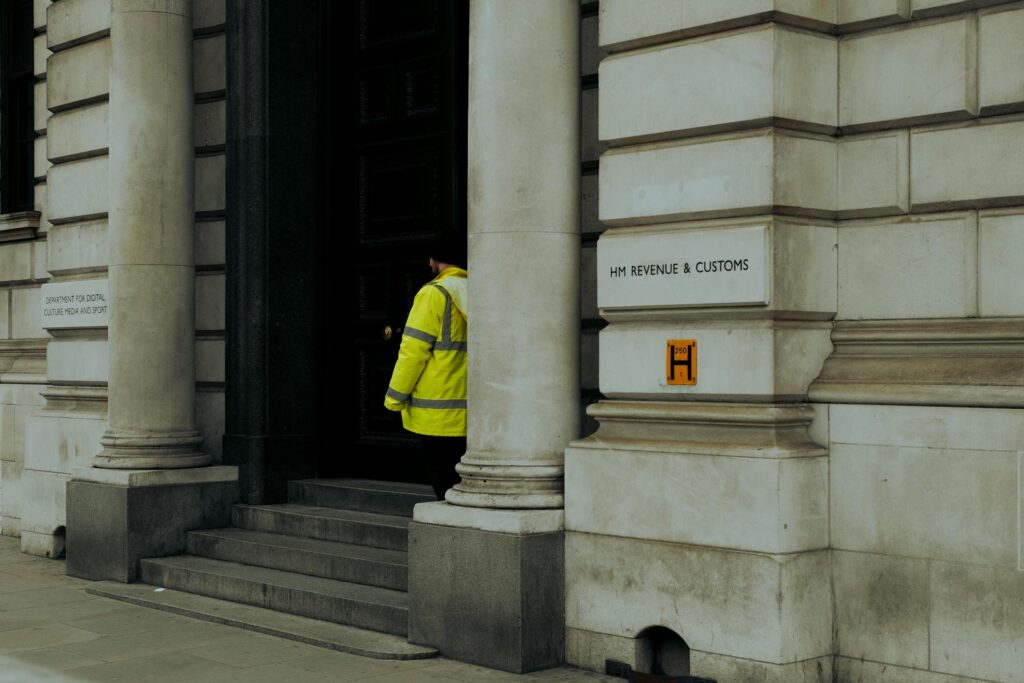
Licensed security guards for Downtown DC and Georgetown need to fit the area, not just the uniform. A property near an active corridor may deal with constant door traffic and visitors who are new to the building. A quieter site may need more attention on side entrances, shared walkways, and the hours when staff is thin. We look at how each property is used before we set the post.
Licensing matters because trust starts there. Managers should know the guard at their Washington property has the required DC credential, understands the post order, and knows the limits of the role. We verify credentials, review site rules, and make sure the guard knows who to call when something changes. The goal is not to create pressure. The goal is to give the property a reliable presence that people can count on.
PrimeGuards builds guard coverage around communication and consistency. Tenants and visitors should feel like the post is steady from day to day. Managers should get reports that explain what happened in plain language. If a door is not securing, if a vendor keeps arriving at the wrong time, or if a pattern is forming near one entrance, we document it and say what we saw. For properties in Downtown DC and Georgetown, that means fewer surprises and a property that feels better managed.
About Washington, DC
Washington DC carries a security profile shaped by its identity as the nation’s capital. The Metropolitan Police Department reported that overall crime dropped 18% in 2025, with violent crime falling 29% and property crime declining 16%. Homicides fell from 187 in 2024 to 127 in 2025, a 32% decrease. Robbery dropped 37%. Motor vehicle theft fell 23%. Those numbers represent real progress for a city that faced a severe crime spike in 2023.
But the headline numbers do not erase the staffing crisis. MPD effective patrol force has fallen by nearly a third since 2021, with sworn officers available for patrol duty dropping from around 1,800 to roughly 1,300. The National Guard deployment in August 2025 produced an additional 24% reduction in opportunistic property crime, but that is not a sustainable model for commercial security. Businesses near the National Mall, Capitol Hill, and downtown corridors still face persistent property crime, disorderly conduct near transit hubs, and the unique security demands that come with proximity to federal institutions.
PrimeGuards deploys officers across DC’s commercial corridors, government adjacent properties, and hospitality venues. We handle access control for office buildings, patrol parking structures, and provide visible presence near Metro stations and tourist districts. Our officers understand the difference between a post near the White House and a post in a Southeast retail corridor. If your DC property needs professional security that supplements an understaffed police department, contact us today and we will build a plan for your location.
Security Guard Services in Washington, DC: A Practical Guide for Property Owners and Managers
PrimeGuards local coverage: This page is built for Washington and the surrounding DC service area. It explains how our guards support entrances, front desks, common areas, and after hours rounds without turning your property into a hard place to visit. Some posts include protecting federal buildings and government contractors throughout the National Mall corridor.
What Security Guard Services Cover in Washington
Security guard services should make a property feel calmer, not tense. In Washington, that can mean a guard at the front entrance, a lobby officer checking visitor access, a roving post through shared areas, or overnight coverage when the property is quiet. Other posts include serving the Georgetown retail district and waterfront hospitality venues. The right plan depends on how people move through the site, where problems tend to start, and what your staff should not have to handle alone.
We build post orders around real routines. A property near the Lincoln Memorial may need strong visitor control during peak foot traffic. A site closer to the Capitol Building may need more attention on side doors, loading areas, or employee paths after dark. In Downtown DC, the issue may be repeat loitering near an entry. In Georgetown, it may be access control for deliveries and contractors. In Capitol Hill, the concern may be late hour activity around fenced areas. Several posts include safeguarding embassy row and diplomatic properties in Northwest DC.
The goal is steady presence and clear documentation. Guards watch the flow, greet people, check credentials, note hazards, and report what changed from the last shift. When something feels off, they address it early and professionally. That keeps small problems from becoming the kind of incident that disrupts staff, tenants, customers, or residents.
Where Security Guards Make the Biggest Difference in Washington
Entrances, Lobbies, and Front Desks
The first point of contact usually sets the tone. A guard at the main entrance can welcome guests, direct visitors, check access lists, and watch for tailgating without making the space feel cold. Properties near the Lincoln Memorial often need this balance during public hours. A site near the Capitol Building may need the same control after the lobby quiets down.
Our guards learn who belongs, who needs help, and who should be stopped for a closer check. They keep logs clean, contact the right manager when a decision is above the post, and stay polite even when someone pushes back. That mix of customer service and control is what makes front entrance coverage work.
Common Areas, Garages, and Shared Paths
Shared spaces can look fine on a camera and still feel unsafe in person. Stairwells, elevators, garages, courtyards, and walkways need human judgment. In Downtown DC, that may mean extra presence during shift changes. In Georgetown, it may mean escorting staff after a late event. In Capitol Hill, it may mean checking dark corners and locked gates on a set rhythm.
Some sites include protecting federal buildings and government contractors throughout the National Mall corridor. We use that local detail to decide where a guard should stand, where a roving check adds value, and where a simple lighting or door repair can remove a recurring problem. Security is not only response. It is also noticing the weak spot before someone else does.
Common Post Orders We Build in Washington:
- Front entrance coverage: Visitor screening, access lists, delivery control, and a visible professional presence.
- Lobby and desk support: Guest check in, contractor sign in, badge review, and calm escalation when rules are challenged.
- Roving interior checks: Stairwells, restrooms, storage areas, amenity spaces, and employee only doors.
- Exterior rounds: Fences, gates, side entrances, dumpsters, docks, and paths that cameras miss at bad angles.
- Closing support: Sweep checks, lock verification, alarm handoff, and escorts for staff leaving late.
After Hours and Quiet Period Coverage
A property can be calm all day and still need coverage when traffic drops. After hours guards watch doors that should stay locked, verify alarms, walk the less active areas, and document anything that looks out of place. Some quiet posts include serving the Georgetown retail district and waterfront hospitality venues. That local detail helps us set the timing of rounds instead of using the same schedule everywhere.
Quiet coverage should not mean passive coverage. Guards test access points, look for forced entry signs, check that lighting works, and note maintenance issues before the morning team arrives. If a door is open, a light is out, or a vehicle is sitting where it should not be, you get a clear report instead of a surprise.
How We Match Guards to a Washington Property
Site Walk and Risk Review
We start by walking the property with you. We look at entrances, exits, sight lines, camera gaps, lighting, storage points, employee routes, and the places where people gather. Some sites include safeguarding embassy row and diplomatic properties in Northwest DC. That detail helps us understand why one entrance needs a fixed post while another only needs timed checks.
The review also covers your rules. Who can enter? Who needs an escort? Which doors stay locked? What should a guard do when a guest refuses to sign in? Who gets called first? A guard can only enforce what is written clearly, so we make the post orders practical before the first shift starts.
Post Orders That Guards Can Actually Use
Good post orders are specific. They tell the guard what normal looks like, what requires action, and when to call management or emergency services. They also set the tone for public contact. A guard near the Lincoln Memorial may give directions all day. A guard near the Capitol Building may spend more time checking access credentials and watching a quiet side entrance.
A few posts include protecting federal buildings and government contractors throughout the National Mall corridor. Other assignments include serving the Georgetown retail district and waterfront hospitality venues. We keep those details separate from the landmark and neighborhood notes so the plan stays readable once your spreadsheet fills the template. The result is a guard assignment that fits the property instead of a generic body at a door.
| Coverage Need | Typical Guard Focus | Best Fit in Washington |
|---|---|---|
| Front entrance control | Access checks, visitor direction, delivery screening, early problem spotting | Properties near the Lincoln Memorial with steady public traffic |
| Lobby and desk presence | Guest check in, badge review, contractor escorts, calm rule enforcement | Professional sites in Downtown DC and Georgetown |
| After hours rounds | Door checks, lock verification, alarm response, hazard notes | Quiet areas near Capitol Hill or low traffic side streets |
| Closing and late exit support | Staff escorts, sweep checks, parking area awareness, final lockdown | Locations near the Capitol Building with late staff movement |
Supervision, Reporting, and Communication
A guard post fails when no one reviews the work. PrimeGuards uses supervision, post checks, and clear reporting so the coverage stays consistent. You should know who arrived, what they checked, what changed, and what needs your attention. Certain reports include safeguarding embassy row and diplomatic properties in Northwest DC. We keep that detail in the report only where it helps explain conditions on site.
Reports should be simple and useful. Time of rounds. Doors checked. Guests denied. Hazards found. Maintenance needs. Unusual contact. If the same issue keeps appearing, we adjust the post instead of writing the same note every night. That is how security coverage becomes part of property operations instead of a separate expense you hope never matters.
“A good guard makes the property feel normal. People get where they need to go, rules stay clear, and small issues get handled before they grow.”
PrimeGuards Operations Standard
Licensing, Conduct, and Liability Basics in DC
Licensing and Professional Conduct
Security guards should be licensed, screened, trained, and supervised for the work they perform. In DC, that means the guard and the company should be able to show current credentials, clear post instructions, and insurance documents when you ask. If a provider avoids those questions, that is a warning sign.
Professional conduct matters just as much as paperwork. Guards need to stay calm with frustrated visitors, use only reasonable force within the law, protect privacy, and write reports that stick to facts. A guard who argues, exaggerates, or treats every contact like a threat creates risk instead of reducing it.
What Property Owners Should Ask Before Signing
Ask who will supervise the post. Ask how replacements are handled when a guard calls out. Ask how incidents are reported and how fast managers hear about serious problems. Ask for proof of insurance and ask whether your property can be listed as an additional insured. Ask how post orders are updated when your hours, tenants, or traffic patterns change.
Some contracts include serving the Georgetown retail district and waterfront hospitality venues. That is why a copy and paste contract often fails in real life. The paperwork should reflect the actual guard duties at your Washington property, the hours people are on site, and the local conditions around the Lincoln Memorial, the Capitol Building, Downtown DC, Georgetown, and Capitol Hill.
Practical rule: If a security proposal does not explain post duties, supervision, reporting, insurance, and replacement coverage in plain language, it is not ready for a real property in Washington.
Local Coverage Notes for Washington
Downtown DC and Georgetown
Properties in Downtown DC often need strong entry control during public hours and a steady visible presence when traffic builds. Properties in Georgetown may need more focus on credentials, deliveries, and staff movement after meetings or events. Many assignments include protecting federal buildings and government contractors throughout the National Mall corridor. That detail helps shape where the guard stands and when a roving check is more useful than a fixed position.
When a property sits between both areas, the plan may change through the day. Morning access control can turn into visitor support, then delivery screening, then closing checks. We write the schedule around those changes so the guard is not standing in the wrong place when the real activity moves.
Capitol Hill and Landmark Adjacent Areas
In Capitol Hill, the work may be quieter but more dependent on rounds, gate checks, and clear escalation rules. Near the Lincoln Memorial and the Capitol Building, the work may be more public, with constant questions, faster crowd shifts, and more pressure at entrances. Many late posts include safeguarding embassy row and diplomatic properties in Northwest DC. We treat that as a planning detail, not a slogan.
The right balance is usually simple. Be visible where people need guidance. Be observant where property lines and doors matter. Be documented where liability and repeat issues show up. That approach works across Washington without forcing every location into the same template.
Security Guard Services FAQ for Washington, DC
What does a security guard actually do on site?
A guard controls access, watches normal activity, checks doors and shared areas, helps visitors, documents issues, and responds when something crosses the line. The exact duties come from your post orders. Certain posts include protecting federal buildings and government contractors throughout the National Mall corridor.
How do you decide between a fixed post and roving checks?
We look at where incidents start, how people move, which doors matter most, and whether one position can cover the risk. A front entrance near the Lincoln Memorial may need a fixed post, while a quieter area near Capitol Hill may only need timed checks.
Can guards help customers, tenants, or employees while still providing security?
Yes. In most Washington properties, good security includes giving directions, answering basic questions, helping with access rules, and escorting people when needed. The key is staying alert while being helpful, not choosing one or the other.
What should be in the incident report?
The report should state what happened, when it happened, who was involved, what the guard observed, what action was taken, and who was notified. It should avoid opinions and stick to facts that a manager, insurer, or attorney can review later.
Do you cover properties near the Capitol Building and in Downtown DC?
Yes. We build coverage for properties near the Lincoln Memorial and the Capitol Building, as well as sites across Downtown DC, Georgetown, and Capitol Hill. A few posts include serving the Georgetown retail district and waterfront hospitality venues. The site walk tells us which duties belong at the door, which belong on rounds, and which should be handled by supervisors.
How fast can coverage start in Washington?
Timing depends on licensing, site walk needs, guard availability, and how detailed your post orders must be. Standard setups move faster when access rules, contacts, and reporting expectations are clear before the first shift.
Security Guard Services in Washington, DC
PrimeGuards provides professional security guard services across Downtown DC, Georgetown, Capitol Hill, and the greater Washington area. Tell us what is happening at your property, where the pressure points are, and when you need coverage. We will build post orders that fit the site instead of forcing the site to fit a template.
Request a Security Guard Quote
Serving Washington and surrounding DC areas | Entrance coverage, lobby support, roving checks, and after hours posts
Disclaimer: This page provides general information about security guard services in Washington, DC. Licensing rules, insurance terms, property duties, and legal limits can change by jurisdiction and by contract. Review your specific post orders, insurance requirements, and local rules before starting coverage.
Nationwide Security Guard Coverage
PrimeGuards provides professional security guard services across the United States. Our certified security guards are available for immediate deployment in all major metropolitan areas including:
West Coast: Los Angeles, San Diego, San Francisco, San Jose, Phoenix, Las Vegas, Seattle, Portland, Sacramento, Oakland
Texas & Southwest: Houston, Dallas, Fort Worth, Austin, San Antonio, El Paso, Albuquerque, Tucson
Midwest: Chicago, Aurora, Naperville, Indianapolis, Detroit, Columbus, Cleveland, Cincinnati, Milwaukee, Madison
Southeast: Atlanta, Miami, Jacksonville, Tampa, Orlando, Charlotte, Raleigh, Charleston, Columbia, Savannah
Northeast: New York City, Buffalo, Newark, Jersey City, Philadelphia, Pittsburgh, Boston, Worcester, Baltimore, Washington DC
Don’t see your city? We cover all 50 states. View complete service area list or contact us for immediate coverage.

Armed & Unarmed Security
We deliver personalized security services designed to fit your specific requirements.
Certified Security Guards
Our certified security guards are extensively trained to tackle any security post.
Fully Licensed Security Officers
Our licensed and insured security guards are managed by law enforcement officers.
Personalized Security Services
We provide security services that are uniquely tailored to your business. Contact us.
FAQ’s
Request more information now
Support Email
info@primeguards.com
talk to our agent
Live Chat Now
Request more information now
Support Email
info@primeguards.com
talk to our agent
Live Chat Now