24/7 Emergency Fire Watch Security Patrol Near You in Austin, TX
Austin’s skyline keeps breaking its own records, with towers like Waterline pushing past 70 stories and reshaping the downtown core. Construction at that height means months of welding, cutting, and open floors with no finished fire protection, and the International Fire Code requires fire watch coverage on tall construction during off hours. PrimeGuards provides fire watch officers for high rise construction, tech campus buildouts, and buildings with impaired systems across Austin, from downtown towers to the manufacturing corridor along the eastern edge.
Our officers run continuous foot patrols, maintain direct communication with the Austin Fire Department, stage extinguishers near hot work, and keep a written log that satisfies the fire marshal and your insurance carrier. In occupied buildings, we coordinate with property management so alarms and suppression outages get covered the moment they happen, since Austin enforces watch requirements from the moment a system fails.
The event economy adds another layer. Festivals and conferences pack venues across the city for weeks at a time, and large assemblies bring their own fire watch requirements when crowds or special effects are involved. Whether your trigger is a tower crane, a panel failure, or a packed venue, PrimeGuards keeps Austin properties covered and compliant. Contact us today.
NFPA and Fire Marshal Required Fire Watch in Austin, TX
Fire codes do not negotiate. When a sprinkler system goes down for maintenance, when a fire alarm panel fails, or when hot work permits are active, the fire marshal requires continuous fire watch coverage until the hazard is resolved. In Austin, TX, that requirement falls on the property owner or general contractor, and skipping it means fines, stop work orders, or worse. A single violation can cost thousands, and repeated failures can shut a project down entirely.
PrimeGuards supplies licensed fire watch officers who meet NFPA standards and local fire code requirements across Austin. Our officers are protecting the Sixth Street entertainment district and live music venues with the training to identify ignition sources, monitor combustible material storage, and maintain the continuous patrol logs that fire marshals demand. We are serving the South Congress Avenue retail and dining corridor to respond to system outages at commercial buildings, hotels, and healthcare facilities where fire protection equipment cannot simply wait for the next business day. Our teams are safeguarding tech campuses and startup offices throughout the city with the understanding that fire watch is not optional coverage. It is legal compliance with life safety stakes.
Every fire watch shift includes documented patrol rounds, hazard identification, and immediate reporting to site supervisors and the fire department when conditions escalate. Officers carry fire extinguishers, know the location of standpipes and hydrants, and understand the specific risks of the property they protect. In Austin, fire marshals inspect logs without warning, and our documentation holds up under scrutiny. Contact PrimeGuards today to put qualified fire watch officers on your property before the inspector arrives.
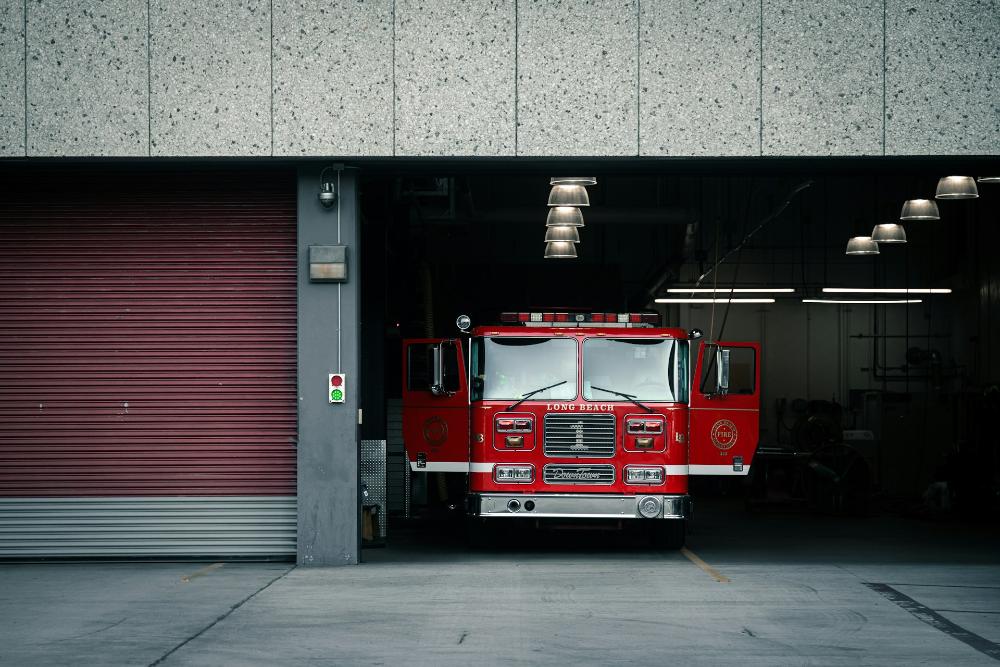
Fire Patrol and Hazard Documentation at Austin Commercial Properties
A smoldering trash can in a loading dock, an overheated electrical panel in a utility room, or a discarded cigarette near combustible storage can all become full structure fires if no one catches them early. Commercial properties in Austin face these risks daily, and standard security guards without fire watch training often miss the warning signs because they are not looking for them. Smoke detectors help, but they only activate after the fire has already started. A trained fire watch officer stops it before that point.
PrimeGuards deploys fire patrol officers through commercial corridors in Downtown Austin and Sixth Street who conduct systematic hazard checks every fifteen to thirty minutes depending on the property risk level. Our officers are protecting the Sixth Street entertainment district and live music venues to inspect electrical rooms, storage areas, and mechanical spaces where heat buildup goes unnoticed. We are serving the South Congress Avenue retail and dining corridor to document every patrol with timestamps, route maps, and photographs of any hazards found. Our teams are safeguarding tech campuses and startup offices throughout the city with the patrol discipline that turns a walking route into a genuine fire prevention system.
When hazards are identified, officers act immediately. They relocate combustible materials away from heat sources. They notify maintenance about electrical issues before they arc. They extinguish small ignition sources and contact the fire department when conditions exceed their capacity. Every action is logged in real time through our client portal so property managers in Austin can review patrol activity, hazard reports, and response times from any device. PrimeGuards turns fire watch from a compliance checkbox into active property protection. Call us today to schedule fire patrol coverage for your building.
Fire Watch Compliance for Active Construction Near the Texas State Capitol
Construction sites near the Texas State Capitol generate fire risks that finished buildings simply do not have. Welding sparks land on wood framing. Cutting torches ignite insulation. Temporary heaters operate without proper clearance. Roofing tar kettles run hot for hours. The building has no sprinkler system yet, no permanent fire alarms, and often no working standpipes until late in the project. Fire codes recognize this danger, which is why hot work permits require continuous fire watch during and after every shift.
PrimeGuards assigns certified fire watch officers to construction sites near the Texas State Capitol who understand the specific hazards of active builds. Our officers are protecting the Sixth Street entertainment district and live music venues to monitor welding and cutting operations with direct visual observation, maintaining a thirty minute post work patrol to catch delayed ignition. We are serving the South Congress Avenue retail and dining corridor to coordinate with site supervisors on permit schedules, ensuring that fire watch coverage begins before the first spark and continues until the work area cools below ignition temperature. Our teams are safeguarding tech campuses and startup offices throughout the city with the patrol logs and documentation that satisfy municipal inspectors and fire marshals.
Fire watch officers on construction sites carry multiple extinguishers, know the location of temporary water supplies, and maintain radio contact with site management. They check that fire barriers remain intact, that combustible materials are stored at proper distances from hot work, and that no one resumes work after hours without fire watch present. In Austin, TX, a single missed fire watch shift can trigger a stop work order that costs more than a month of coverage. PrimeGuards keeps your project moving and your permits valid. Reach out today for construction fire watch services near the Texas State Capitol.
Fire Watch Officer Duties and Shift Logs in Downtown Austin
A fire watch officer in Downtown Austin does more than walk a route and check boxes. The job requires constant environmental awareness, knowledge of fire behavior, and the discipline to document every patrol in a format that holds up under regulatory review. Officers must know the difference between normal heat signatures and dangerous buildup. They must recognize when a smell of burning insulation means immediate action. They must understand that their logs may become evidence in an insurance investigation or an OSHA inquiry.
PrimeGuards trains fire watch officers for Downtown Austin properties with a curriculum that covers fire chemistry, extinguisher types and applications, evacuation procedures, and regulatory documentation standards. Our officers are protecting the Sixth Street entertainment district and live music venues with the local knowledge to identify neighborhood specific risks including aging electrical infrastructure, commercial kitchen exhaust systems, and seasonal heating hazards. We are serving the South Congress Avenue retail and dining corridor to maintain shift logs that record every patrol round with exact times, route checkpoints, and any incidents or observations. Our teams are safeguarding tech campuses and startup offices throughout the city with the professional standards that turn a required post into genuine life safety coverage.
Shift logs are uploaded to our secure client portal in real time, giving property managers in Austin instant access to documentation that satisfies fire marshals, insurance auditors, and building inspectors. Officers also conduct end of shift briefings that summarize hazards found, actions taken, and recommendations for permanent corrections. A fire watch officer who merely walks a route is compliance theater. A PrimeGuards officer who understands the building, the hazards, and the documentation requirements is actual protection. Contact us today to put qualified fire watch officers on your Downtown Austin property.
About Austin, TX
Austin started as the tiny capital of the Republic of Texas, picked for a spot on the Colorado River at the edge of the Hill Country. It stayed a government and university town for a century, then became something else entirely: the Live Music Capital of the World, a tech magnet, and one of the fastest growing large cities in the country. The University of Texas, the Capitol dome, and the bats under the Congress Avenue Bridge all share the same few square miles. Circuit of the Americas brings Formula 1 to the hills southeast of town, and the lakes along the Highland chain stay packed all summer.
The boom changed the skyline and the economy together. Tech campuses, semiconductor and automotive manufacturing on the metro’s edge, and a constant stream of residential and hotel towers keep construction crews busy in every direction. The older commercial districts along South Congress and the east side renovate continuously, and the city’s famous festivals bring temporary venues and crowds that need their own safety planning.
PrimeGuards handles fire watch for Austin’s construction projects, system impairments, and special events. Our officers know the documentation Austin Fire expects and how to work around occupied buildings and active job sites. If your Austin property needs fire watch coverage, contact us today.
Fire Watch Security Services in Austin, TX
When fire protection systems fail in Austin, property owners and facility managers must act quickly to maintain safety and legal compliance. The minutes and hours following a fire alarm malfunction or sprinkler system impairment are critical, and the decisions made during this period can determine whether a building remains operational or faces immediate closure by fire officials. Understanding the specific requirements for fire watch services in Austin helps building owners deal with these emergencies effectively while protecting their tenants, employees, and property investments.
The Austin area presents unique fire safety challenges that require local knowledge and specialized expertise. From the areas surrounding the Texas State Capitol to the districts near South Congress Avenue, properties throughout the city face varying risks based on their location, occupancy type, and building age. Whether you manage a commercial office building, a construction site, or a residential complex, understanding when and how to implement fire watch coverage is essential for maintaining compliance with TX fire codes and municipal regulations.
Local Coverage Areas: Our fire watch teams operate throughout Austin, including Downtown Austin, Sixth Street, and South Congress. We maintain familiarity with local street layouts, traffic patterns, and building types specific to these areas, ensuring rapid response times and effective coverage regardless of your property’s location within the city.
What Is Fire Watch and When Is It Required?
Fire watch represents a temporary safety measure implemented when standard fire detection or suppression systems become impaired or unavailable. According to the National Fire Protection Association, fire watch consists of systematic patrols conducted by qualified personnel to identify fire hazards, detect early signs of fire, and initiate emergency response protocols when automatic systems cannot perform these functions. This service in Austin serves as a critical bridge between normal fire protection capabilities and the restoration of fully functional systems.
The requirement for fire watch activates automatically under specific conditions defined by national standards and local regulations in Austin. When fire alarm systems experience failures, NFPA 72 mandates implementation within four hours to ensure continuous detection capability. For sprinkler system impairments, NFPA 25 allows a ten-hour window before fire watch becomes mandatory, though many insurance carriers and local jurisdictions require more immediate action. These timeframes are not suggestions but legal requirements that carry significant penalties for non-compliance.
Local Fire Watch Requirements in Austin
In Austin, the local fire prevention office enforces these standards while potentially adding jurisdiction-specific requirements based on local conditions and building density. High-occupancy buildings, structures near the Texas State Capitol, and facilities in Downtown Austin may face enhanced scrutiny and shorter implementation timelines depending on their specific risk profiles. The Authority Having Jurisdiction maintains final approval over fire watch protocols and can modify standard requirements based on site-specific hazards.
Critical Compliance Note: The Austin fire code mandates immediate notification to the fire department when systems are impaired for more than four hours in any twenty-four hour period. Failure to provide adequate fire watch coverage during these impairments can result in immediate business closure orders, fines ranging from $1,000 to $10,000 per violation, and potential criminal liability if fires occur during unprotected periods.
Understanding the distinction between emergency impairments and planned maintenance is important for proper planning. Emergency impairments occur suddenly due to equipment failures, water main breaks, or accidental damage, requiring immediate fire watch response with little preparation time. Planned impairments occur during scheduled maintenance, system upgrades, or construction activities, allowing building owners to arrange fire watch coverage in advance and potentially reduce costs through scheduled rather than emergency deployment.
Core Fire Watch Functions and Responsibilities
The core function of fire watch involves continuous monitoring of affected areas through regular patrols at specified intervals. For most commercial occupancies in Austin, this means patrols every thirty minutes, though high-risk facilities such as hospitals, hotels, or buildings near South Congress Avenue may require fifteen-minute intervals. During these patrols, trained personnel inspect all affected areas including storage spaces, mechanical rooms, and common areas while maintaining documentation of their rounds and any conditions observed.
Fire watch personnel serve as the primary communication link between the building and emergency responders during system impairments. They carry communication devices providing direct access to 911 and the Austin fire department, and they possess the authority to initiate building evacuation if fire conditions develop. Their presence ensures that even without automatic detection systems, human observers maintain vigilance over the property and can respond immediately to any signs of fire or smoke.
YMYL Safety Compliance: Our fire watch services in Austin maintain full compliance with NFPA 101, NFPA 25, NFPA 72, and OSHA 1910.252 standards. PrimeGuards holds all required state licenses for TX operations, maintains comprehensive general liability and professional liability insurance coverage, and ensures that all personnel assigned to your property meet or exceed local certification requirements established by the Austin fire prevention office.
Fire Watch Legal Requirements and Building Codes
NFPA Standards and Compliance Obligations
The National Fire Protection Association establishes the foundational standards governing fire watch protocols across the United States, and these standards directly apply to all commercial and residential properties in Austin. While NFPA standards themselves are not federal laws, they are incorporated by reference into TX fire codes and municipal regulations throughout Austin, effectively making them legally enforceable requirements that carry significant penalties for non-compliance.
NFPA 101, the Life Safety Code, serves as the primary document establishing when and where fire watch is required in Austin buildings. Chapter 9 of this standard specifically addresses fire protection system impairments and mandates immediate implementation of temporary fire safety measures when alarms or sprinklers fail. The code requires that fire watch personnel conduct systematic patrols of all affected areas and maintain continuous vigilance throughout the impairment period, regardless of whether the outage was planned or emergency in nature.
For sprinkler system impairments, NFPA 25 establishes specific timeframes that Austin building owners must follow. When water-based fire protection systems experience failures, the standard allows a maximum ten-hour window before fire watch becomes mandatory, though many insurance carriers require immediate coverage regardless of this allowance. The Austin fire prevention office may require notification within the first hour of impairment for high-risk occupancies, particularly in buildings near the Texas State Capitol or in densely populated districts like Downtown Austin.
OSHA Regulations and Workplace Safety
The Occupational Safety and Health Administration establishes federal requirements for fire watch in workplace settings throughout Austin, particularly during hot work operations. Unlike NFPA standards, OSHA regulations carry the force of federal law and are enforced through workplace safety inspections that can result in citations and substantial financial penalties for employers who fail to comply.
OSHA 29 CFR 1910.252 establishes comprehensive fire watch requirements for general industry operations in Austin, mandating that fire watch personnel be stationed within the immediate vicinity of welding or cutting operations when flammable materials are present within thirty-five feet of the work area. The standard requires that fire watch remain in place for at least thirty minutes after welding operations conclude to detect any smoldering fires that may develop from delayed ignition of combustible materials.
OSHA Penalty Alert: Violations of OSHA fire watch requirements in Austin can result in penalties up to $16,131 per serious violation and $161,323 per willful violation. Willful violations apply when employers knowingly disregard fire watch requirements or have been previously cited for the same condition.
For construction sites in Austin, OSHA 29 CFR 1926 Subpart R establishes similar fire watch requirements specifically tailored to construction environments. The construction standard recognizes the heightened fire risks present in unfinished structures throughout Sixth Street and South Congress, mandating fire watch not only during welding and cutting but also during any operations involving open flames or heat-producing equipment in buildings under construction.
State and Local Fire Code Requirements
Beyond federal and national standards, TX maintains specific fire code requirements that affect how fire watch must be implemented in Austin. The state fire marshal oversees compliance with these regulations and coordinates with local fire prevention bureaus to ensure consistent enforcement across all jurisdictions within the city limits.
The Authority Having Jurisdiction in Austin maintains final approval over fire watch protocols and may establish requirements that exceed baseline national standards. For example, buildings near South Congress Avenue may face enhanced patrol interval requirements due to high occupancy densities, while industrial facilities in Downtown Austin may need specialized fire watch personnel trained in hazardous material recognition. Local amendments to the International Fire Code often require immediate notification to the fire department when systems are impaired, rather than the four-hour allowance provided by NFPA 72.
Local Coordination: PrimeGuards maintains direct communication channels with the Austin fire prevention office and coordinates all fire watch deployments with local authorities to ensure compliance with jurisdiction-specific amendments. We handle the complexity of multi-layered regulations so your property remains compliant with federal, state, and municipal requirements simultaneously.
Types of Fire Watch Services in Austin
Continuous Twenty-Four Hour Fire Watch
Continuous fire watch provides uninterrupted monitoring around the clock for situations requiring sustained life safety coverage in Austin. This service applies to extended sprinkler system impairments, long-term construction projects, or buildings with chronic fire protection deficiencies that cannot be immediately resolved. Continuous coverage ensures that no gap exists in fire monitoring regardless of the time of day or night.
Our teams work with properties throughout Downtown Austin and Sixth Street to provide rotating shifts that prevent guard fatigue while maintaining absolute compliance. We are busy protecting the Sixth Street entertainment district and live music venues during these long-term assignments, ensuring that commercial buildings, hotels, and residential complexes remain protected throughout extended repair periods. Each arriving guard receives detailed briefings from the outgoing shift regarding current conditions, specific hazards near the Texas State Capitol, and communication protocols with the Austin fire department.
Construction Site and Hot Work Fire Watch
Construction sites throughout Austin present dynamic fire hazards that change daily as work progresses, requiring specialized fire watch services that differ from standard impairment coverage. We are also serving the South Congress Avenue retail and dining corridor, providing construction teams with the certified personnel necessary to maintain hot work permits and comply with NFPA 241 requirements.
Hot work operations including welding, cutting, and grinding create intense ignition risks that require dedicated fire watch coverage beyond standard building protection. Our guards understand the thirty-five-foot rule and actively monitor for sparks that may travel beyond the immediate work zone. They remain on site during operations and continue surveillance for thirty to sixty minutes after work concludes, checking areas above ceilings, behind walls, and below floor levels where embers may have traveled.
Construction Expertise: Our fire watch teams understand the unique hazards of unfinished structures in Austin, including incomplete sprinkler systems, open stairwells, and accumulated combustible debris. We coordinate with site supervisors and building inspectors to ensure that fire watch coverage aligns with construction schedules and inspection timelines.
Emergency and Planned Fire Watch Services
Emergency fire watch addresses sudden, unplanned impairments requiring immediate deployment of qualified personnel in Austin. When sprinkler pipes rupture, fire alarms fail unexpectedly, or construction accidents damage fire protection systems, building owners face immediate compliance deadlines measured in hours rather than days. We provide twenty-four-hour emergency dispatch capabilities with guaranteed two to four hour response times throughout Austin, including rapid deployment to South Congress and the areas surrounding South Congress Avenue.
Planned fire watch offers significant advantages for scheduled maintenance or system upgrades. Additionally, we keep busy safeguarding tech campuses and startup offices throughout the city during these planned outages, allowing property managers to schedule coverage in advance and avoid emergency premiums. Planned services cost less than emergency response and allow for better coordination with repair contractors, ensuring that fire watch coverage begins precisely when systems go offline and ends immediately upon restoration.
Specialized Coverage for High-Risk Occupancies
Hospitals, hotels, and high-rise buildings in Austin require specialized fire watch approaches due to their high occupant loads and complex evacuation challenges. Healthcare facilities with non-ambulatory patients need fifteen-minute patrol intervals and guards trained in hospital evacuation procedures. Hotels near the Texas State Capitol require coverage that respects guest privacy while maintaining rigorous safety standards, particularly when impaired systems affect guest room floors or conference facilities.
| Service Type | Best For | Typical Duration |
|---|---|---|
| 24/7 Continuous | Extended impairments, chronic deficiencies | Days to months |
| Construction/Hot Work | Welding, cutting, torching operations | Hours per permit |
| Emergency Response | Sudden system failures | 2-4 hour deployment |
| Planned Coverage | Scheduled maintenance | Pre-scheduled shifts |
Fire Watch Duties and Documentation Standards
Core Responsibilities of Fire Watch Personnel
Fire watch guards serve as the primary human defense against fire initiation and spread when automatic systems are impaired, and their duties extend far beyond simple observation. In Austin, these personnel conduct active hazard identification, immediate emergency response, and continuous documentation of conditions throughout their assigned shifts. Understanding these core responsibilities helps building owners appreciate why professional fire watch requires trained personnel rather than simply assigning existing security or maintenance staff.
The fundamental duty involves unwavering attention to the protected area through systematic patrols of all zones within the impaired area. Guards must maintain continuous awareness of conditions, watching for smoke, flames, or unusual heat signatures while listening for crackling sounds or popping from electrical faults. Unlike standard security patrols, fire watch requires sustained alertness without distraction, meaning guards cannot simultaneously perform access control, answer phones, or handle administrative tasks while on fire watch duty.
Patrol Intervals and Zone Coverage
Effective fire watch requires systematic patrol of all areas within the impaired zone at intervals mandated by the occupancy type and local regulations. For most commercial buildings in Austin, this means patrols every thirty minutes, though high-risk occupancies such as hospitals, hotels, or buildings near South Congress Avenue require fifteen-minute intervals. During each patrol, guards physically enter spaces, check behind doors, inspect above accessible ceilings, and verify that fire doors remain closed and unobstructed throughout Downtown Austin and Sixth Street.
Sole Responsibility Rule: Fire codes universally mandate that fire watch personnel have no other duties during their shifts. A guard monitoring CCTV cameras or checking visitor IDs cannot simultaneously conduct fire watch patrols. Violations of this rule result in immediate citations and potential business closure orders from the Austin fire marshal.
Documentation and Log Requirements
Comprehensive documentation serves as the legal record proving that continuous monitoring occurred during system impairments. Fire watch logs must contain the date and specific times when coverage began and ended, the printed name and signature of each guard, exact timestamps for each patrol showing zones inspected, and specific hazards identified with corrective actions taken. These records must be maintained on-site and available for inspection by the Austin fire prevention office at any time.
Modern digital logging systems utilizing NFC tags or GPS verification create tamper-proof records that satisfy fire marshal requirements better than traditional paper logs. These systems automatically timestamp entries, provide real-time alerts if patrols are missed, and store records for the required retention period. PrimeGuards utilizes enterprise-grade digital platforms that document compliance throughout Austin, including detailed records for properties near the Texas State Capitol and throughout South Congress.
Documentation Standards: Our digital logging systems store fire watch records for a minimum of three years, exceeding the retention requirements of most jurisdictions. This ensures that if questions arise about compliance during a past impairment period, complete documentation is immediately available for insurance auditors or legal proceedings.
Fire Watch Violations and Penalties in Austin
Common Violations Found During Inspections
Fire marshals and fire prevention inspectors in Austin routinely identify violations during building inspections, complaint investigations, and post-incident reviews. Understanding these common violations helps building owners avoid costly penalties and dangerous coverage gaps that could result in business closure or criminal liability. Most violations fall into clear categories of documentation failures, personnel inadequacies, and procedural non-compliance that are entirely preventable with proper planning.
The most frequent violation involves gaps between patrols exceeding mandated intervals. Fire marshals reviewing logs discover that guards went forty-five minutes between rounds in buildings requiring fifteen-minute intervals, or that patrols stopped entirely during shift changes without relief coverage. These gaps are treated as periods with no fire watch at all, and if a fire occurs during such a lapse, the building owner faces enhanced liability because the mandated safety system was not functioning. Fines for these violations in Austin start at one thousand dollars per incident and can escalate rapidly for repeated offenses.
Financial and Legal Consequences
The financial penalties for fire watch violations in TX can be substantial, particularly for willful violations where employers knowingly disregard requirements. OSHA maintains penalty schedules that adjust annually for inflation, and as of 2026, serious violations carry maximum penalties of over sixteen thousand dollars per occurrence. Willful or repeated violations can reach one hundred sixty thousand dollars per violation when employers have been previously cited for the same condition or demonstrate plain indifference to safety requirements.
Criminal Liability Warning: When fire watch violations result in fatalities, prosecutors may pursue criminal charges including manslaughter or negligent homicide against building owners and managers. Falsified fire watch logs may result in perjury or obstruction of justice charges, and building owners who instructed employees to skip patrols face personal criminal liability separate from corporate fines.
Beyond federal penalties, the Austin fire prevention office issues municipal citations carrying fines from five hundred to five thousand dollars per violation depending on severity and occupancy type. Business closure authority allows fire marshals to issue orders on the spot, posting notices that occupancy is prohibited until corrections are made. For hotels in Downtown Austin, this means evacuating guests and losing revenue. For hospitals near the Texas State Capitol, this requires transferring patients to other facilities. The economic impact of closure orders far exceeds fine amounts, often costing businesses tens of thousands of dollars per day in lost revenue.
Insurance Consequences and Claim Denials
Standard commercial property policies contain provisions voiding coverage for losses resulting from known safety violations, and fire watch failures trigger these exclusions consistently. If a fire occurs during a system impairment without proper fire watch, insurers almost universally deny claims or invoke coinsurance penalties that reduce payouts substantially. Even if the fire’s cause was unrelated to the impaired system, carriers successfully argue that lack of fire watch allowed the fire to grow beyond what would have occurred with proper monitoring.
Following any fire incident, insurance auditors scrutinize fire watch logs for compliance with policy conditions. They verify that patrol intervals matched requirements, that guards were qualified, and that logs were contemporaneous rather than backdated. Our digital logging systems provide superior audit defense because they create tamper-proof timestamps and GPS verification that handwritten paper logs cannot match. Properties in Sixth Street and South Congress that maintain proper documentation through our systems consistently withstand insurance scrutiny.
Loss Prevention: Proactive fire watch programs can actually reduce insurance premiums through loss prevention credits. Carriers recognize that professional fire watch during impairments reduces claim frequency and severity, often providing five to fifteen percent premium reductions for policyholders utilizing approved vendors like PrimeGuards with proper documentation capabilities.
Fire Watch Frequently Asked Questions for Austin Properties
How quickly must fire watch begin after a system failure in Austin?
Fire watch implementation deadlines depend on which system is impaired. Under NFPA 72, fire watch must begin within four hours when fire alarm systems fail because early detection is critical for safe occupant evacuation. For sprinkler system impairments, NFPA 25 allows a ten-hour window before fire watch becomes mandatory, though many insurance carriers require immediate coverage regardless of these allowances. In Austin, the fire prevention office may require notification within the first thirty minutes for high-risk occupancies near the Texas State Capitol or in densely populated areas like Downtown Austin.
Can my employees perform fire watch instead of hiring outside guards?
While building owners may use their own employees for fire watch in Austin, strict requirements apply that often make this approach impractical and risky. First, employees must have no other duties during fire watch shifts, meaning they cannot answer phones, perform maintenance, or handle their regular job responsibilities simultaneously. Second, they must complete fire watch training covering patrol procedures, hazard recognition, and emergency communication. Third, certain jurisdictions require specific municipal certifications that regular employees rarely possess.
Additionally, using employees creates workers compensation exposure if they are injured during fire watch duties, and potential OSHA violations if they are not properly trained. Insurance carriers often require professional third-party fire watch services to maintain coverage validity, particularly for properties in Sixth Street and South Congress. For these reasons, most building owners in Austin contract specialized fire watch security companies rather than utilizing internal staff who lack specific training and certifications.
How long must fire watch continue after hot work is completed in Austin?
Post-work fire watch duration varies based on the type of hot work performed and the specific hazards present. Standard welding and cutting operations require a minimum thirty-minute surveillance period after work concludes under OSHA regulations, though NFPA 51B mandates sixty minutes for general hot work. High-risk operations including torch-applied roofing or work near combustible materials in buildings near South Congress Avenue require two-hour post-work fire watches because materials can retain heat and smolder for extended periods before visible flames appear.
What documentation should fire watch logs include?
Comprehensive fire watch logs must include the date and specific times when coverage began and ended, the printed name and signature of each guard, exact timestamps for each patrol showing which zones were inspected, and specific hazards identified with corrective actions taken. Logs should also document weather conditions for outdoor patrols at construction sites in Austin, any incidents including smoke detection or fire department notification, and supervisor sign-offs verifying review of the shift.
Modern digital logging systems utilizing NFC tags or QR codes create tamper-proof records that satisfy fire marshal requirements better than paper logs. These systems automatically timestamp entries and provide GPS verification of patrol completion throughout Austin, including detailed documentation for properties near the Texas State Capitol and throughout Downtown Austin. Digital records store securely for the required retention period, ensuring compliance evidence remains available for insurance auditors or legal proceedings.
Can fire watch guards in Austin perform security duties simultaneously?
Generally, no. Fire codes universally mandate that fire watch personnel have no other duties during their assigned shifts, and this sole responsibility rule is strictly enforced in Austin. A guard monitoring CCTV cameras at a desk or checking visitor IDs in the lobby of a building in South Congress cannot simultaneously walk patrol routes inspecting for smoke. Fire marshals treat dual-duty assignments as equivalent to no fire watch at all, resulting in immediate citations and potential business closure.
The only limited exception occurs in specific low-risk vacant buildings where the Authority Having Jurisdiction has approved a combination role, and even then the fire watch function must take precedence. PrimeGuards assigns dedicated fire watch personnel who perform no other functions, ensuring absolute compliance with this critical requirement and protecting your property from violations.
What happens if we fail to hire fire watch during an impairment?
Failure to implement required fire watch triggers immediate regulatory, financial, and safety consequences in Austin. Fire marshals will issue violation citations carrying fines starting at several hundred dollars and escalating based on severity. They may issue orders to cease operations, requiring immediate building evacuation and business closure until proper fire watch is established. If a fire occurs during the unprotected period, insurance carriers will deny coverage for the loss, leaving building owners personally liable for potentially millions in damages.
Peace of Mind: Hiring professional fire watch eliminates these risks entirely. Our teams handle all documentation, maintain required patrol intervals, and coordinate with the Austin fire department so you can focus on repairing your systems and running your business without worrying about compliance violations or safety gaps.
How quickly can professional fire watch guards be deployed in Austin?
PrimeGuards provides emergency deployment within two to four hours of initial contact throughout our primary service areas including Austin. This rapid response includes guard dispatch, equipment issuance, site-specific orientation, and initiation of the first patrol within compliance timeframes. For properties near South Congress Avenue or in Downtown Austin, our local knowledge ensures faster response times because we understand street layouts and traffic patterns.
Scheduled fire watch for planned maintenance allows for next-day deployment at standard rates, while emergency response carries premium pricing due to immediate staffing requirements. Remote locations in South Congress may require slightly longer response times depending on current guard positioning, though we maintain coverage capabilities throughout the entire Austin metro area.
PrimeGuards Austin Service Guarantee
We maintain current certification matrices for all jurisdictions throughout TX, ensuring personnel assigned to your Austin facility hold all required credentials. We handle the complexity of multi-layered federal, state, and municipal compliance so you don’t have to worry about regulatory violations. Our digital logging systems provide tamper-proof evidence of compliance, and we indemnify our clients against violations resulting from our performance failures.
Professional Fire Watch Services in Austin
Do not risk violations, fines, or liability by delaying fire watch implementation. Whether you manage property near the Texas State Capitol, operate a business in Downtown Austin, or oversee construction in Sixth Street, PrimeGuards provides certified fire watch personnel, digital compliance documentation, and twenty-four-seven emergency response throughout Austin.
Emergency deployment available within 2-4 hours | Covering Downtown Austin, Sixth Street, South Congress | Licensed, insured, and certified for TX
Disclaimer: This guide provides general information regarding fire watch requirements based on national standards and common practices as they apply to Austin and TX. Specific jurisdictional requirements may vary and change as codes are updated. Always consult with your local Authority Having Jurisdiction, the Austin fire marshal, or a qualified fire protection engineer for site-specific compliance requirements. This content does not constitute legal advice or professional engineering consultation.
Nationwide Fire Watch Coverage
PrimeGuards provides professional fire watch security services across the United States. Our certified fire watch guards are available for immediate deployment in all major metropolitan areas including:
West Coast: Los Angeles, San Diego, San Francisco, San Jose, Phoenix, Las Vegas, Seattle, Portland, Sacramento, Oakland
Texas & Southwest: Houston, Dallas, Fort Worth, Austin, San Antonio, El Paso, Albuquerque, Tucson
Midwest: Chicago, Aurora, Naperville, Indianapolis, Detroit, Columbus, Cleveland, Cincinnati, Milwaukee, Madison
Southeast: Atlanta, Miami, Jacksonville, Tampa, Orlando, Charlotte, Raleigh, Charleston, Columbia, Savannah
Northeast: New York City, Buffalo, Newark, Jersey City, Philadelphia, Pittsburgh, Boston, Worcester, Baltimore, Washington DC
Don’t see your city? We cover all 50 states. View complete service area list or contact us for immediate coverage.

Armed & Unarmed Security
We deliver personalized security services designed to fit your specific requirements.
Certified Security Guards
Our certified security guards are extensively trained to tackle any security post.
Fully Licensed Security Officers
Our licensed and insured security guards are managed by law enforcement officers.
Personalized Security Services
We provide security services that are uniquely tailored to your business. Contact us.
FAQ’s
Request more information now
Support Email
info@primeguards.com
talk to our agent
Live Chat Now
Request more information now
Support Email
info@primeguards.com
talk to our agent
Live Chat Now