Private Armed Security: When Discreet Protection Is Essential for Businesses
Understanding private armed security and when your business needs it
Private Security Director at PrimeGuards
18 years in private armed security and close protection, Certified Protection Professional, former military special operations
Not every business that needs armed security wants it to be obvious. A law firm handling a high stakes litigation case does not want armed guards in the lobby scaring clients. A pharmaceutical company transporting controlled substances does not want to advertise that its trucks are protected. A tech executive receiving death threats does not want to live in a compound surrounded by visible security.
Private armed security provides the protection these situations require without the visibility that standard armed security creates. The officers are trained to blend in. Their weapons are concealed. Their behavior is calibrated to the environment. And their presence is felt only when it matters.
PrimeGuards provides private armed security for businesses and individuals who need protection without publicity. Here is what private armed security involves and when it is the right choice.
1. What Private Armed Security Actually Means
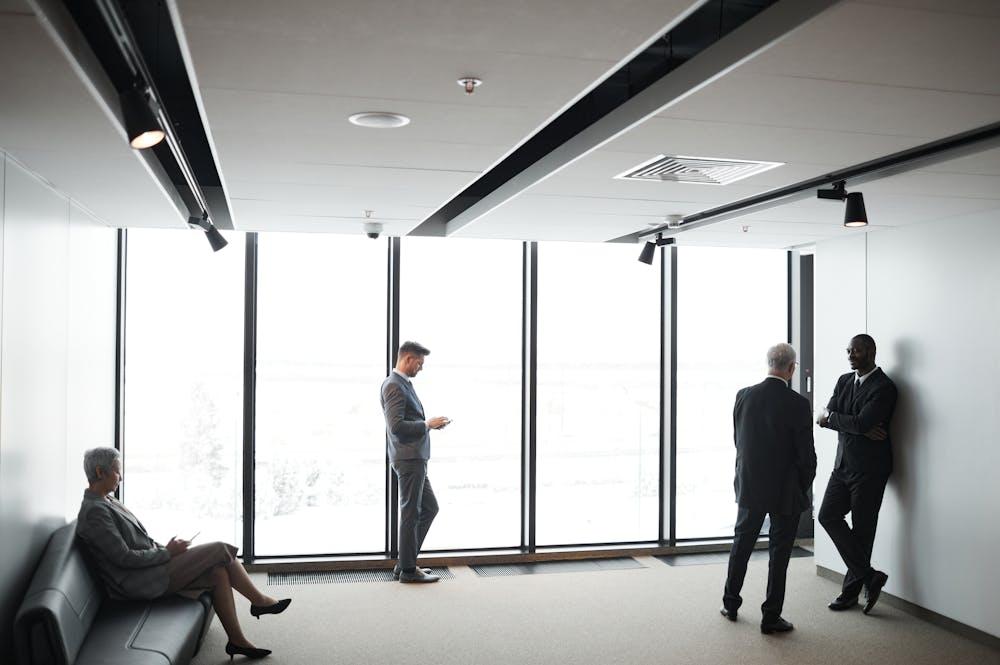
Private armed security is a specialized service that combines the response capability of armed officers with the discretion of plainclothes protection. Unlike uniformed armed guards who are meant to be seen, private armed security officers are meant to be unnoticed. They dress to match the environment. In a corporate office, they look like executives or administrative staff. At a private event, they look like guests. In a residential setting, they look like visitors or service providers.
Their weapons are concealed in compliance with state concealed carry laws. Their communication equipment is hidden. Their observation techniques are subtle. And their response protocols are designed to neutralize threats quickly while minimizing attention.
This discretion serves multiple purposes. It prevents the client from becoming a target simply because they have visible security. It maintains the normal atmosphere of the business or residence. It avoids alarming customers, employees, or family members. And it provides the element of surprise if a threat does materialize. A criminal who does not see security is less prepared for resistance.
In Los Angeles and other high profile markets, private armed security is standard for entertainment industry executives, attorneys, and medical professionals who face threats but cannot operate in a fortress.
2. When Private Armed Security Is the Right Choice
Private armed security is not for every situation. It is specifically appropriate for environments where visible armed security would be counterproductive or where the client requires protection without drawing attention.
Corporate environments are a prime example. A company that is downsizing and faces threats from terminated employees needs protection for its executives. But armed guards in the lobby send a message of fear that affects morale and stock price. Private armed security provides the protection without the visible signal of crisis.
High net worth residential protection is another example. A family that has received threats or that handles large amounts of cash does not want to live in a house that looks like a compound. Private armed security officers can pose as staff, visitors, or neighbors while providing continuous protection.
Transportation security for high value assets also benefits from discretion. Trucks carrying jewelry, pharmaceuticals, or sensitive documents are less likely to be targeted if they do not appear to have security escorts. Private armed security in unmarked vehicles provides protection without advertising the cargo.
In Houston and other major markets, private armed security is commonly used by energy companies, law firms, and medical practices that face elevated risks but operate in professional environments.
3. Training Requirements for Private Armed Security
Private armed security officers require all the training of standard armed officers plus additional skills in discretion, concealment, and covert operations. These officers must be proficient in concealed carry techniques that prevent printing or accidental exposure, maintain situational awareness without staring or appearing vigilant, and respond to threats in crowded environments where bystanders are present. Communication and coordination with other security personnel must happen without drawing attention.
Psychological screening is especially important for private armed security. Officers who work in plainclothes have more autonomy and less direct supervision than uniformed officers. They must be self disciplined, emotionally stable, and capable of making independent decisions under stress. They must resist the urge to act like police officers or to escalate situations unnecessarily. And they must maintain confidentiality about the client’s security arrangements.
PrimeGuards selects private armed security officers from candidates with law enforcement, military, or executive protection backgrounds. These candidates already understand discretion, threat assessment, and controlled response. Additional training covers concealment techniques, environmental blending, and client specific protocols.
In New York City and other strict jurisdictions, private armed security officers must meet the same licensing and training requirements as uniformed armed officers, plus additional vetting for plainclothes assignments.
4. Legal and Liability Considerations
Private armed security carries the same legal and liability considerations as any armed security service, with additional complexity due to the concealed nature of the weapons. If a private armed officer uses their weapon, the fact that they were concealed may affect the legal analysis of whether the use of force was justified. Prosecutors and civil juries may question why the officer was armed in a setting where weapons were not expected.
For this reason, private armed security companies must carry robust insurance policies that cover concealed carry incidents. Clients should verify that the policy specifically covers plainclothes armed operations and not just uniformed security. The company should provide clear use of force policies that address the unique challenges of responding to threats in discreet environments.
Clients should also understand that private armed security does not provide the same deterrent effect as visible armed security. A criminal who does not see security may attempt a crime that they would have avoided if armed guards were visible. The tradeoff is discretion versus deterrence, and the right choice depends on the specific threat profile.
In Chicago and other markets, PrimeGuards provides clients with detailed briefings on the legal and liability implications of private armed security before deployment.
Private Armed Security vs Visible Armed Security
| Factor | Private Armed Security | Visible Armed Security |
| Appearance | Plainclothes, blends with environment | Uniformed, clearly identifiable |
| Weapon visibility | Concealed | Open carry or visible holster |
| Deterrent effect | Low, criminals do not see security | High, visible presence discourages crime |
| Best for | Corporate, residential, discreet environments | Banks, jewelry, high crime areas |
| Cost | Higher due to specialized training | Standard armed security rates |
Frequently Asked Questions
Is private armed security legal in all states?
Private armed security is legal in most states but regulations vary significantly. Some states require additional permits for plainclothes armed security. Others restrict concealed carry by security officers to specific circumstances. PrimeGuards ensures that all private armed security operations comply with state and local laws in every jurisdiction where we operate.
How do I know if private armed security is right for my business?
Private armed security is appropriate when you need armed protection but visible security would be counterproductive. PrimeGuards provides free threat assessments that evaluate your risk profile, your environment, and your operational needs. Based on the assessment, we recommend either private armed security, visible armed security, or unarmed security with other protective measures.
Can private armed security officers make arrests?
Private armed security officers have the same limited arrest authority as any security officer. They can perform citizen’s arrests for felonies or breaches of the peace witnessed in their presence. Their primary role is to protect the client and property, observe and report criminal activity, and coordinate with law enforcement. PrimeGuards trains private armed officers to prioritize client safety over apprehension.
Need discreet armed protection for your business or family?